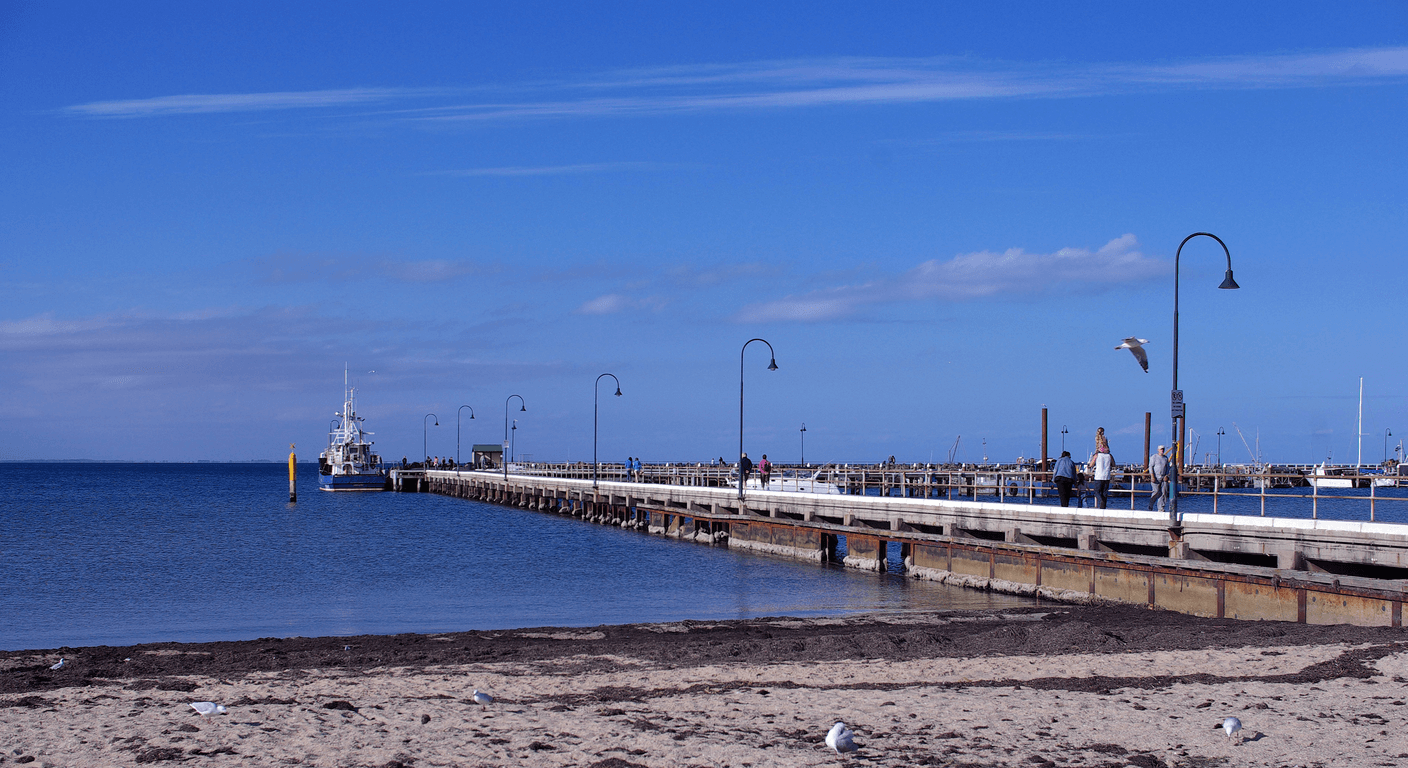
The Bellarine Peninsula sits about an hour south-west of Melbourne and offers a relaxed, food-focused day that suits a solo traveller who wants good wine, fresh mussels and a decent walk along a quiet foreshore without feeling rushed. Cellar doors around Drysdale and Portarlington, a handful of small seaside towns and a well-signposted taste trail make it easy to piece together a satisfying itinerary. The peninsula rewards a midweek visit when crowds thin and cellar door staff have more time to talk.
Why the Bellarine suits a solo food day
There is something quietly generous about the Bellarine Peninsula. The distances between cellar doors, mussel sheds and foreshore cafes are short enough to drive comfortably in an afternoon, yet the region never feels compressed or theme-park-ish. For a solo traveller in his late sixties, that balance matters — you can linger over a glass of pinot gris at a cellar door without feeling you need to keep pace with a tour group, and you can eat a bowl of mussels looking out over Port Phillip Bay without anyone wondering why you are sitting alone.
The peninsula curves south-west from Geelong, with the bay on one side and the open ocean approaches of Port Phillip Heads on the other. Towns like Portarlington, Drysdale, Queenscliff and Point Lonsdale each have a distinct character. Portarlington is the mussel capital; Queenscliff has Victorian-era grandeur and a strong maritime heritage; Point Lonsdale is quieter and good for a foreshore walk. None of them requires much planning — the Bellarine Taste Trail does a good deal of the navigational work for you.
Midweek days — particularly Tuesday through Thursday outside school holidays — are noticeably quieter at cellar doors and cafes. Staff at smaller producers tend to be more forthcoming with conversation and context when they are not managing a Saturday rush. If flexibility is on your side, a Wednesday in autumn or spring is close to ideal.
Getting there from Melbourne: what are the options?
Driving yourself is the most practical option if you are comfortable on the freeway and plan to have someone else handle the wine tasting. From Melbourne's CBD, take the Westgate Freeway and then the Princes Freeway to Geelong, picking up the Bellarine Highway toward Drysdale. The drive is roughly 90 to 100 kilometres and takes around an hour in light traffic. Parking at cellar doors and in the towns is generally easy and flat.
The designated-driver question is real for a solo traveller who wants to taste properly. One honest approach is to do a single cellar door with a tasting flight, buy a bottle to take home, and treat the rest of the day as a food-and-scenery trip rather than a wine tour. Alternatively, a small number of local tour operators run Bellarine Peninsula food and wine day tours from Geelong or Melbourne; search through Tourism Geelong and the Bellarine at visitgeelongbellarine.com.au for current operators, as the roster changes. These tours typically handle the driving and include two or three stops.
If you prefer public transport, V/Line runs frequent trains from Southern Cross Station to Geelong. From Geelong's train station, local bus routes under the PTV network serve some Bellarine towns, though frequency is limited and the cellar doors themselves are not always walkable from bus stops. A taxi or rideshare from Geelong station to Drysdale or Portarlington is a practical bridge. Confirm current timetables at vline.com.au and ptv.vic.gov.au before you go.
The Bellarine Taste Trail: how does it work?
The Bellarine Taste Trail is a self-guided route linking wineries, breweries, distilleries, farm-gate producers and food businesses across the peninsula. A trail map — available at bellarinewinery.com.au and from the Geelong Visitor Centre — shows all participating venues with opening hours and what each one specialises in. The trail is not a formal tour; it is simply a framework that takes the guesswork out of planning a food day.
Participating cellar doors include well-regarded names such as Oakdene Vineyards near Wallington, Scotchmans Hill near Drysdale, Jack Rabbit Vineyard near Bellarine, and Terindah Estate near Curlewis. Each has a different feel. Scotchmans Hill is larger and has a restaurant on site; Jack Rabbit is known for its views across the bay from the dining terrace; Terindah is more intimate and suits a solo visitor who wants a quieter setting. Tastings at most venues cost around $10 to $20 per person, often redeemable against a purchase — confirm with each venue.
Beyond wine, the trail includes producers such as the Bellarine Estate olive grove and a handful of artisan food makers. For a day that mixes wine with other produce, it is worth checking which venues have food available on the day you plan to visit, as kitchen hours vary. The trail's website is the most reliable starting point for current hours and seasonal closures.
Portarlington mussels: what is all the fuss about?
Portarlington is one of the few places in Australia with a working mussel farming industry visible from the foreshore. The bay's cold, clean water produces mussels with a clean, briny flavour that has built a genuine local reputation. Several restaurants and cafes in the town serve mussels in a range of preparations — steamed with white wine and herbs, in a tomato-based broth, or simply with bread and butter — and the pricing is reasonable by Melbourne standards. A generous serve is indicatively around $20 to $30; confirm current prices when you arrive.
The Mussel Festival, held annually in Portarlington, draws large crowds, but for a solo traveller who prefers to eat without the noise, any regular lunch service at the foreshore restaurants does the job just as well. The town itself is low-key: a main street, a pier, a foreshore reserve and some older weatherboard houses. It is not a polished tourist village, which is part of its appeal. The pier is flat and accessible for most mobility levels.
For context on the mussel farming industry and the bay's ecology, the Queenscliff Marine Discovery Centre (part of Museums Victoria) occasionally runs public programmes; check museumsvictoria.com.au for current offerings. It is a short drive from Portarlington and adds a different dimension to a bay-focused day.
Seaside towns worth stopping in: Queenscliff and Point Lonsdale
Queenscliff sits at the tip of the peninsula and has an atmosphere unlike anything else on the Bellarine. The town grew in the Victorian era as a fashionable seaside resort and defensive garrison, and the architecture reflects that: grand hotels, a historic fort, bluestone buildings and wide streets. Fort Queenscliff is managed by the Queenscliff Fort Museum and offers guided tours that are genuinely interesting for anyone with an interest in colonial history or military heritage — check fortsqueen.com.au for current tour times and costs.
The Bellarine Peninsula Railway runs heritage steam and diesel trains between Queenscliff and Drysdale on selected days, operated by volunteers. It is a gentle, scenic ride of around 16 kilometres and takes about 35 minutes each way. For a solo traveller who enjoys transport history or simply wants a different way to cover some ground, it is a pleasant addition to the day. Confirm running days and current fares at bpr.org.au before building it into your itinerary.
Point Lonsdale, a few kilometres east of Queenscliff, is quieter and residential in feel. The lighthouse precinct is a short walk from the village and the views across the Rip — the narrow passage at Port Phillip Heads — are worth the effort. The walking path from the village to the lighthouse is mostly flat and sealed. The town has a handful of cafes and a bakery that locals rate. It is a good place to end the day with a coffee before the drive home.
Accessibility and pacing: honest notes for older solo travellers
The Bellarine Peninsula is generally accessible and flat, which makes it more manageable than many regional Victorian destinations. Most cellar doors have gravel car parks rather than sealed surfaces, and some have steps at the entrance — it is worth calling ahead if mobility is a specific concern. Oakdene and Scotchmans Hill are among the larger venues with better accessibility infrastructure, but confirming directly with any venue before you visit is always the sensible approach.
Pacing is the main thing to get right. Trying to cover four cellar doors, lunch in Portarlington and a walk around Queenscliff in a single day is ambitious and tends to feel rushed. A more satisfying structure is one or two cellar door visits in the late morning, lunch in Portarlington or at a winery restaurant, and then a single town visit in the early afternoon before heading home before peak-hour traffic builds on the Princes Freeway. Leaving the peninsula by 3.30pm generally avoids the worst of the Geelong corridor traffic.
Driving in the Bellarine itself is straightforward — the roads are mostly two-lane country roads with good signage and low speed limits through towns. Parking is free and plentiful at most venues. If fatigue is a factor, a midweek visit means less traffic and a more relaxed tempo at every stop.
Practical planning: what to confirm before you go
Cellar door hours vary significantly by season and day of the week. Many smaller producers are closed on Mondays and Tuesdays, and some operate on reduced hours outside summer. Checking the Bellarine Taste Trail website and calling ahead to your chosen venues is a straightforward step that avoids disappointment. The Geelong Visitor Centre, located on Stead Park Drive in Geelong, is also a useful stop for printed maps and current local advice — find details at visitgeelongbellarine.com.au.
Weather on the Bellarine can be changeable, particularly in autumn and winter when a mild morning can turn into a cold and windy afternoon on the foreshore. A light layer and a windproof jacket are worth having in the car regardless of the forecast. The peninsula is enjoyable in any season — autumn harvest is a particularly good time to visit cellar doors — but summer weekends in January are the busiest and least suited to a relaxed solo visit.
Costs for the day are indicative and will depend on how many cellar door tastings you do, whether you eat at a winery restaurant or a foreshore cafe, and whether you buy wine to take home. A rough guide for a comfortable day including tastings, lunch and a coffee might sit somewhere between $80 and $150 per person, but this varies considerably. Always confirm current prices with venues and transport providers before you go.
Key takeaways
- The Bellarine Peninsula is roughly 90 to 100 kilometres from Melbourne's CBD, making it a genuine day trip without an early start.
- The Bellarine Taste Trail links wineries, food producers and cellar doors across the peninsula and is the most practical planning tool for a food-focused day.
- Portarlington is the centre of Victoria's mussel farming industry and the freshest place on the peninsula to eat them.
- A designated driver, a tour operator, or a strategy of tasting at one venue only are the three realistic options for a solo traveller who wants to taste wine properly.
- Midweek visits outside school holidays offer a noticeably quieter and more personal experience at cellar doors and cafes.
- One or two cellar door visits, lunch and one town walk is a more satisfying day than trying to cover the whole peninsula in one go.
Where to look and book
Indicative prices only — always confirm with the operator before booking.
Frequently asked questions
Can you do the Bellarine Peninsula as a day trip from Melbourne without a car?
Yes, though it requires some planning. V/Line trains run from Southern Cross Station to Geelong, and from there local PTV bus routes reach some Bellarine towns. However, cellar doors and farm-gate producers are rarely walkable from bus stops, so a taxi or rideshare from Geelong to your first stop is usually needed. Small group tour operators departing from Melbourne or Geelong are an alternative that handles all the logistics; check visitgeelongbellarine.com.au for current operators.
What is the Bellarine Taste Trail and how do you follow it?
The Bellarine Taste Trail is a self-guided route connecting wineries, breweries, distilleries and food producers across the Bellarine Peninsula. A trail map is available at bellarinewinery.com.au and from the Geelong Visitor Centre. There is no set order or entry fee — you choose which venues to visit and drive between them at your own pace. Most venues charge a small tasting fee, often redeemable against a purchase.
Where is the best place to eat mussels on the Bellarine Peninsula?
Portarlington is the hub for fresh mussels on the Bellarine, with several foreshore restaurants and cafes serving them year-round. The mussels are farmed in Port Phillip Bay and are typically served steamed with white wine and herbs or in a broth with bread. Prices are indicatively around $20 to $30 for a generous serve; confirm with the venue on the day.
Which cellar doors on the Bellarine are most accessible for older visitors?
Larger venues such as Scotchmans Hill near Drysdale and Oakdene Vineyards near Wallington generally have better parking and entry access than smaller producers. However, gravel car parks and steps at entrances are common across the region, so calling ahead to confirm accessibility arrangements before visiting any specific venue is strongly recommended.
What is the best time of year to visit the Bellarine Peninsula for a food day?
Autumn — roughly March to May — is widely considered the best time for a Bellarine food day. Harvest activity is underway at many vineyards, the weather is stable, and summer crowds have eased. Spring is also pleasant. Summer weekends in January are the busiest and least relaxed for a solo visitor. Midweek visits in any season are quieter than weekends.
Got a tip, a price update or a story from this route? The community would love to hear it.
Share your views on our Facebook page— Seniors and Solo Traveller Stories
- Bellarine Taste Trail — Bellarine Winery Association
- Visit Geelong Bellarine — official regional tourism
- V/Line — train and coach services to Geelong
- Public Transport Victoria — Bellarine bus routes
- Bellarine Peninsula Railway — heritage rail, Queenscliff to Drysdale
- Museums Victoria — Queenscliff Marine Discovery Centre
- Visit Victoria — Bellarine Peninsula overview
More day trips
Mornington Peninsula Hot Springs: A Gentle Wellness Day for the Over-60s
The Mornington Peninsula has long drawn Melbourne day-trippers for its wineries and beaches, but the hot springs at Fi…
Daylesford and Hepburn Springs: Victoria's Spa-Country Day Out
Daylesford and Hepburn Springs sit about 115 kilometres north-west of Melbourne in the Central Highlands, and together…
Ballarat in a Day by Rail: A Solo Traveller's Gentle Plan for Gold, Gardens and a Warm Lunch
Ballarat is an easy V/Line day trip from Melbourne with a flat, walkable town centre, good cafes and Sovereign Hill. A…