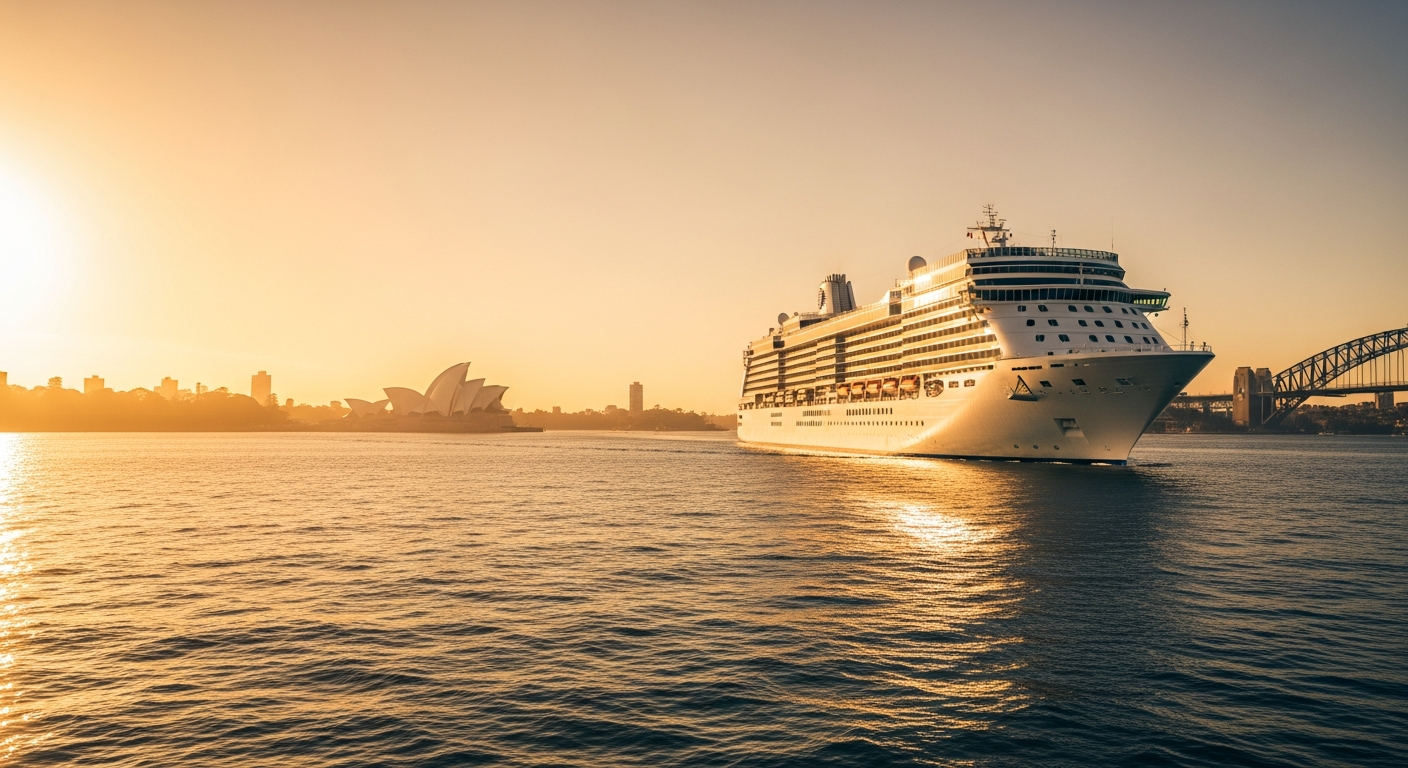
Ocean cruises departing Australian ports remain one of the easiest ways for over-60 travellers to see new places without packing and repacking. This guide covers realistic AUD costs, choosing the right cabin, the single supplement, and the social side, written for couples and solo travellers based in Victoria.
Why does cruising suit travellers over 60 so well?
My wife and I have sailed several times from Sydney and once from Melbourne, and the appeal is steady and practical. You unpack once, your bed travels with you, and the next destination arrives while you sleep. For anyone who finds airports and constant hotel changes tiring, that alone makes the case.
Cruising also takes the daily decisions off your plate. Meals, entertainment and a roof over your head are all sorted in the fare. You can do as much or as little as you like, which suits a range of fitness levels and energy on any given day.
Which Australian ports can you sail from?
Sydney is the busiest cruise port in the country and has the widest choice of itineraries, from short three- and four-night sailings to longer trips around New Zealand and the South Pacific. Brisbane has grown considerably since its newer international terminal opened, and now hosts regular round-trip departures.
For Victorians, Melbourne is the obvious starting point, though it has fewer round-trip departures than Sydney. Many sailings call into Melbourne rather than start here, so you may still need to position to Sydney or Brisbane. Fremantle and Adelaide round out the mainland options, with Fremantle handy for Indian Ocean and longer repositioning voyages.
What does it really cost in AUD?
A short three- or four-night sailing on a mainstream line such as Carnival can start from around A$900 per person, twin share, in an inside cabin. A week-long New Zealand or Pacific sailing on Princess typically runs from around A$1,500 to A$2,500 per person twin share, depending on cabin and season.
Budget beyond the headline fare. Gratuities are often added at roughly A$20 to A$25 per person per day on the mainstream lines. Drinks packages, specialty dining, shore tours and travel insurance all add up. A realistic all-in figure for a couple on a seven-night cruise sits comfortably above the brochure price, so plan for it rather than be caught out.
How should you choose a cabin?
An inside cabin is the most economical and perfectly comfortable for sleeping, but some people find the lack of natural light disorienting. An oceanview gives you a window, and a balcony cabin, while dearer, is worth considering on a scenic itinerary such as the New Zealand fiords where you may want quiet, private viewing.
For comfort and stability, choose a cabin midship and on a lower-to-middle deck. The motion is gentler there, which matters if either of you is prone to seasickness. Ask about step-free access and accessible cabins when booking if mobility is a consideration, as these are limited and sell early.
What about the single supplement for solo travellers?
This is the honest sting for solo travellers. Cruise fares are priced on two people sharing a cabin, so a solo passenger often pays a single supplement of anywhere from 50 to 100 per cent on top of the per-person fare. On a A$1,500 cruise, that can mean paying A$2,250 to A$3,000 to sail alone.
There are ways to soften it. Some ships, including certain Norwegian Cruise Line vessels, have dedicated solo studio cabins priced without the full supplement. Watch for reduced-supplement promotions, which lines run periodically, and a good cruise agent can flag these for you. Booking early and being flexible on dates gives you the best shot at a fair solo price.
What is the social side actually like?
The social side is one of cruising's quiet strengths, particularly for solo travellers. Many ships run solo travellers' meet-ups in the first day or two, shared dining tables where you can join others, and plenty of trivia, dancing and lecture sessions that make conversation easy.
As a couple, we enjoy the rhythm of meeting the same faces over a week. You are never forced to socialise, but the opportunity is always there. For someone recently widowed or simply travelling on their own, a cruise is a gentle and safe way to be among people without the pressure of organising it yourself.
How do you pace it and stay well at sea?
Do not overbook your shore days. A full slate of strenuous tours will wear you out by midweek. We pick one or two ports for proper excursions and treat the others as easy days, either a gentle wander near the wharf or a quiet day on board while the crowds go ashore.
Take seasickness precautions before you need them, keep any regular medication in your carry-on with a copy of your scripts, and arrange comprehensive travel insurance that covers cruising and pre-existing conditions. Check Smartraveller before you go, even for nearby Pacific and New Zealand sailings.
Key takeaways
- Sydney and Brisbane offer the most round-trip departures; Melbourne has fewer, so Victorians may need to position interstate.
- Budget beyond the fare for gratuities of roughly A$20 to A$25 per person per day, drinks, tours and insurance.
- Solo travellers face single supplements of 50 to 100 per cent; solo studio cabins and promotions can reduce this.
- Choose a midship, lower-to-middle-deck cabin for the gentlest motion.
- Book accessible cabins early, as they are limited and sell out.
- The social side suits solo travellers well, with meet-ups and shared dining tables.
Where to look and book
Indicative prices only — always confirm with the operator before booking.
Frequently asked questions
Can I cruise round-trip from Melbourne?
Some sailings depart Melbourne, but there are fewer round-trip departures than from Sydney or Brisbane. Many cruises call into Melbourne rather than start here, so check whether your chosen itinerary actually begins from Melbourne before booking.
How much is the single supplement?
It typically ranges from 50 to 100 per cent on top of the per-person twin-share fare. Some lines offer solo studio cabins priced more fairly, and reduced-supplement promotions appear from time to time.
Are gratuities included?
On most mainstream lines sailing from Australia, gratuities are added at roughly A$20 to A$25 per person per day unless you choose a fare that includes them. Confirm at the time of booking.
Do I need travel insurance for a cruise near Australia?
Yes. Even for New Zealand and Pacific sailings, take comprehensive travel insurance that specifically covers cruising and any pre-existing conditions, as medical care at sea and evacuation can be very costly.
Are there seniors discounts on cruises?
Cruise lines rarely offer a blanket seniors discount, but early-bird fares, repeat-guest loyalty benefits and off-peak sailings can deliver better value. A cruise agent can help you find these.
Got a tip, a price update or a story from this route? The community would love to hear it.
Share your views on our Facebook page— Seniors and Solo Traveller Stories
More cruises
Can You Cruise Round Australia and the South Pacific Without Boarding a Plane?
Princess Cruises sails from Australian ports including Melbourne and Sydney, which means over-60s in Victoria can join…
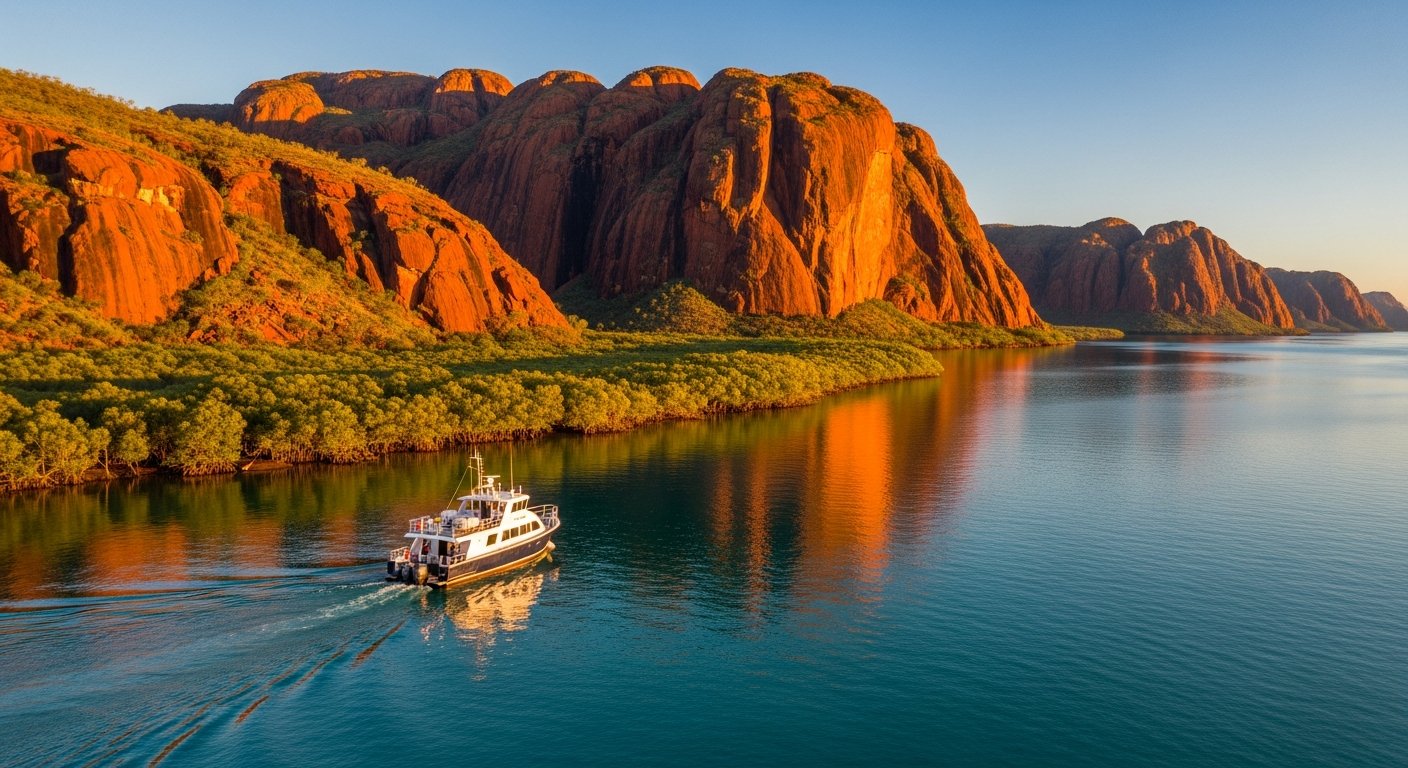
Is a Coral Expeditions Kimberley Cruise the Right Pace for Over-60 Travellers?
Coral Expeditions runs small-ship expedition cruises along Western Australia's Kimberley coast, carrying far fewer pas…
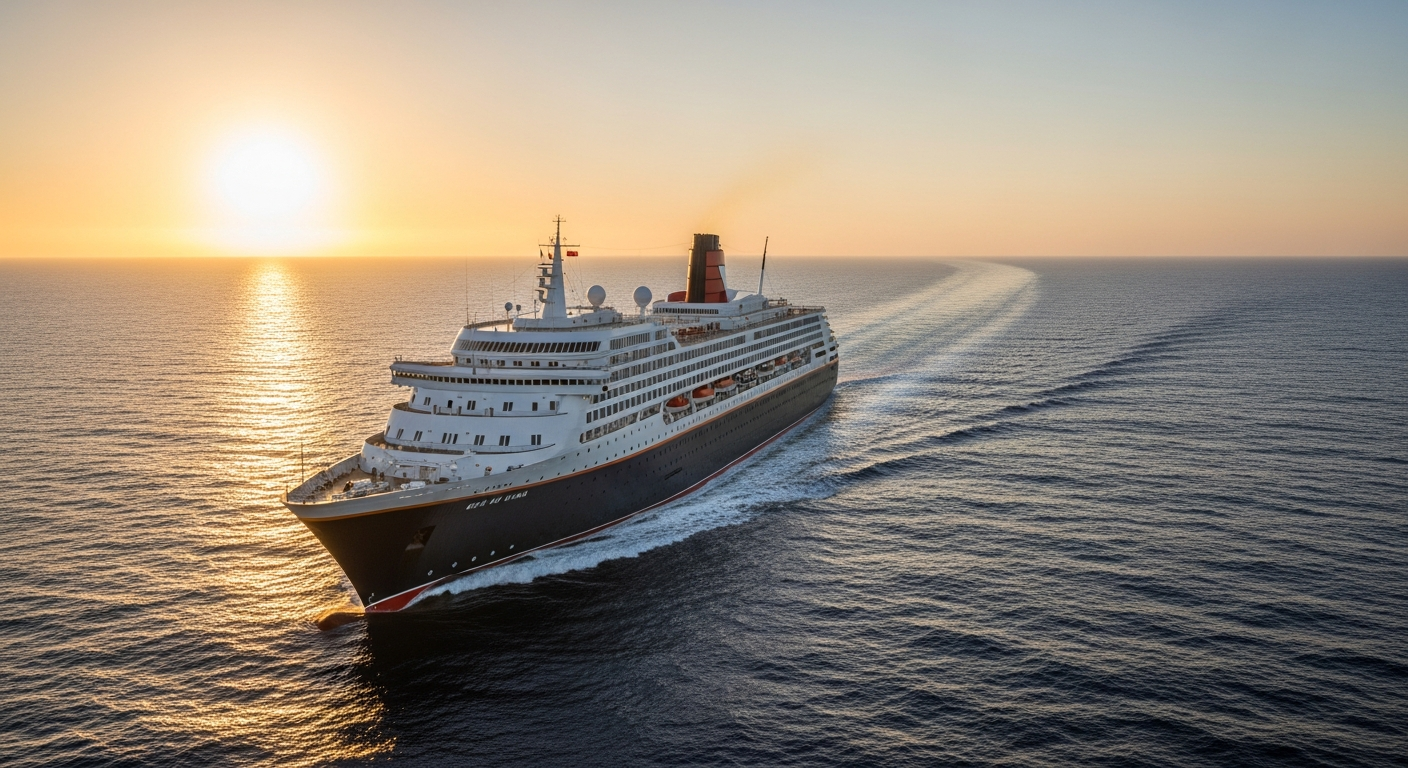
Is a Cunard Queen Voyage Worth It for Solo Travellers Over 60?
Cunard's Queen ships offer slow sea days, a tradition of dressing for dinner and a comfortable, structured way for sol…