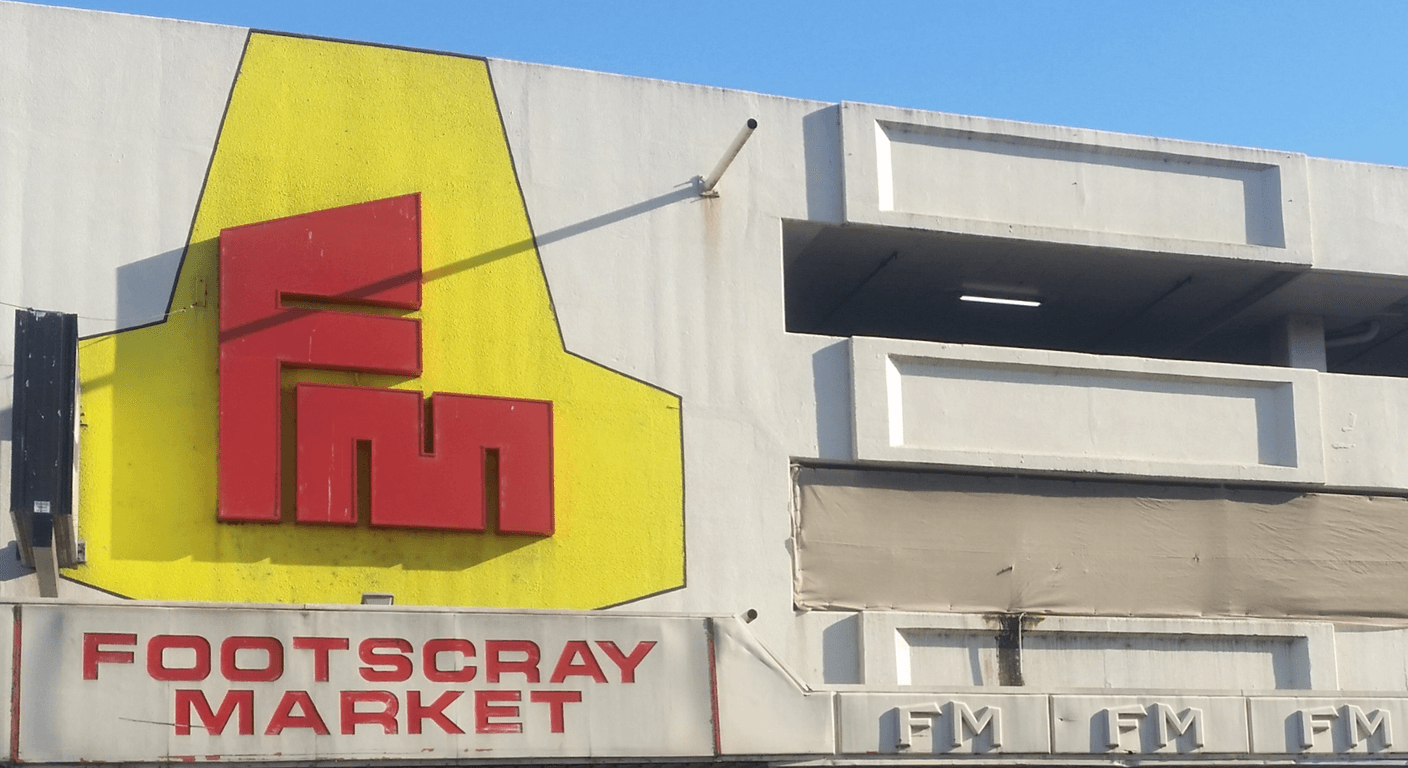
Footscray sits about 6 kilometres west of Melbourne's CBD and offers one of the city's most genuinely multicultural days out — Vietnamese pho and banh mi, African spice stalls, Indian grocers, a working-class market with real character, and a generous riverside park. For a solo traveller who wants substance over spectacle, it delivers a full and unhurried day at very modest cost.
Why Footscray works well as a solo day out
Footscray rewards the traveller who prefers lived-in neighbourhoods over polished tourist precincts. The suburb has been Melbourne's gateway for successive waves of migration — Vietnamese, Ethiopian, Eritrean, Somali, Indian, and more recently Sudanese and South Sudanese communities — and that history is visible in the food, the faces behind the stalls, and the goods on the shelves. For a solo traveller in his 60s who wants a genuine cultural experience rather than a curated one, that authenticity matters.
The day is naturally self-paced. You can arrive at the market when it opens, graze your way through the food stalls at your own tempo, sit with a bowl of pho for as long as you like, walk off lunch in Footscray Park, and be back on a train before the afternoon peak. There is no need to book anything in advance, no tour group to keep pace with, and no pressure to rush. The suburb is compact enough to cover comfortably on foot, with the main attractions — the market, the restaurant strip, and the park — all within a few hundred metres of each other.
Budget-conscious travellers will find Footscray particularly satisfying. A full day including train travel, a substantial lunch, a coffee, and a few market purchases can come in well under $50, depending on what you buy. That is a rarity for a day this rich in interest.
Getting to Footscray: the train is the right choice
Footscray Station is served by the Werribee, Williamstown, and Altona lines, all of which run through the City Loop. From Flinders Street Station, the journey takes around 10 minutes. From Southern Cross Station it is even shorter. Trains run frequently throughout the day, so there is no need to time your departure precisely. Check current timetables at ptv.vic.gov.au before you travel.
The station has step-free access via lifts, which is worth confirming before travel as lift availability can change. The walk from Footscray Station to the market and the main restaurant strip on Hopkins Street is flat and takes about five minutes. The path to Footscray Park from the market is also flat, following the Maribyrnong River. If you are travelling with a walking stick or have any concern about uneven surfaces, be aware that the market arcade itself has some older tiling that can be slightly uneven in places — take your time.
Driving is possible but parking in Footscray on market days can be congested and finding a spot near the market takes patience. The train is genuinely easier and means you do not have to think about parking or a return trip through afternoon traffic. Load your Myki card before you go, or top it up at Footscray Station. Indicative fares for a metropolitan zone 1 two-hour touch-on are roughly $4–$5 each way; confirm current pricing at ptv.vic.gov.au as fares are subject to change.
Footscray Market: what to expect and when to go
Footscray Market operates from the enclosed arcade on Hopkins Street and spills out to surrounding streets. The main market days are Friday, Saturday, and Sunday, with Friday and Saturday generally the busiest and most fully stocked. A Tuesday market also operates, quieter and suited to those who prefer less crowd. Hours are broadly morning to early afternoon, but stalls begin packing up by around 1pm on some days, so arriving between 9am and 10am gives you the full experience. Confirm current trading hours with Maribyrnong City Council at maribyrnong.vic.gov.au before you travel, as hours can shift around public holidays.
Inside the arcade and on the surrounding streets, the stalls cover Vietnamese herbs and vegetables, tropical fruits, live seafood tanks, Asian grocery items, African spices and injera bread, Indian lentils and fresh curry leaves, and a range of general produce. The visual variety alone is worth the visit — bundles of rau ram (Vietnamese coriander), jackfruit, bitter melon, dried shrimp, and Ethiopian berbere spice sit alongside ordinary potatoes and carrots. You are not expected to buy everything; browsing is part of the rhythm of the place.
The market is genuinely multicultural in its staffing as well as its produce, and the vendors are generally patient and happy to explain unfamiliar items if you ask. That said, it gets loud and physically close on busy mornings, and if crowds are a concern, the Tuesday market or arriving just before 9am on a Saturday gives you more space. The aisles in the enclosed arcade are not wide, so a walking frame would be difficult; a walking stick is fine.
The food: pho, banh mi, and the broader picture
The restaurant and café strip along Hopkins Street and the laneways off it is the centrepiece of a Footscray food day. Vietnamese cuisine dominates, and for good reason — Footscray has had a significant Vietnamese community since the late 1970s and early 1980s, and the cooking here is the real article, not an approximation of it. Pho (the slow-cooked beef noodle soup) is the anchor dish, and a generous bowl at one of the established Hopkins Street restaurants costs roughly $15–$18, though prices vary and you should expect them to have changed by the time you visit.
Banh mi — the Vietnamese filled baguette — is the ideal market-day snack. Several bakeries and small shops near the market sell them for roughly $7–$10, filled with cold cuts, pâté, pickled daikon, coriander, and chilli to taste. You can ask for less chilli without any difficulty. For a solo traveller who does not want a full sit-down meal mid-morning, a banh mi and a Vietnamese iced coffee (cà phê sữa đá) is a very satisfying combination and leaves room for a proper lunch later.
Beyond Vietnamese food, Footscray has Ethiopian and Eritrean restaurants serving injera with various stews (tibs, doro wat, misir), and a handful of Indian lunch spots. For a solo diner, the Ethiopian restaurants are particularly welcoming — portions are generous and the injera platter is designed for sharing but works perfectly well ordered for one. If you have not tried East African food before, Footscray is one of the most approachable places in Melbourne to do so. Lunch between 11:30am and 12:30pm is the sweet spot — busy enough to feel like the right place to be, but before the main weekend rush.
The multicultural story: understanding what you are seeing
Footscray's diversity is not accidental or recent. The suburb received large numbers of Vietnamese refugees and migrants following the end of the Vietnam War in the mid-to-late 1970s, and the community established itself firmly along Hopkins Street and the surrounding streets. That first generation built the restaurants, grocery stores, and bakeries that still anchor the precinct today, and in many cases their children and grandchildren now run those same businesses.
The Ethiopian, Eritrean, and Somali communities arrived in substantial numbers through the 1990s and 2000s, and more recently South Sudanese communities have added another layer to the suburb's character. Indian and Sri Lankan grocery and food businesses have operated in Footscray for decades as well. The result is a suburb where you can buy injera, pho, curry leaves, and Vietnamese mint within a hundred-metre stretch, and where the conversations around you might be in Vietnamese, Amharic, Tigrinya, or Tamil.
For a traveller with an interest in how Melbourne actually works — in its social fabric as much as its landmarks — Footscray offers more genuine insight than most of the inner city. The suburb is not performing its diversity for visitors; it simply lives it. Taking time to sit in a restaurant, watch the market, and walk the streets at an unhurried pace is a more honest way to experience multicultural Melbourne than any guided tour.
Footscray Park: the riverside walk after lunch
Footscray Park sits on the western bank of the Maribyrnong River, a short walk from the market and Hopkins Street. It is a substantial, formal park — laid out in the early twentieth century with wide lawns, mature plantings, rose gardens, and riverside paths — and it is well suited to a post-lunch walk at whatever pace suits you. The main paths along the river are paved and flat, making them accessible for most mobility levels. The park is managed by Parks Victoria and entry is free.
The riverside section of the park offers views across the Maribyrnong to the eastern bank and downstream towards the Yarra confluence. On a clear day in autumn or spring, it is a genuinely pleasant place to sit on a bench and let lunch settle. There are public toilets in the park — worth locating early — and the park has some shaded seating areas, which matters on a warm Melbourne afternoon.
The walk from the market to the main section of Footscray Park takes about ten minutes on flat ground. If you follow the river path, you can loop back towards the station without retracing your steps entirely, which makes the afternoon feel like a proper circuit rather than an out-and-back. The path surface is good for most of the route, though some sections near the river's edge are on compacted gravel rather than sealed path — take your own assessment of what is comfortable.
Practical notes: timing, comfort, and what to bring
A Friday or Saturday morning arrival around 9am is the recommended timing for the full market experience, with lunch on Hopkins Street between 11:30am and 12:30pm, followed by Footscray Park in the early afternoon and a return train by 3pm. That schedule gives a relaxed five to six hours without any rushed moments. If you prefer quieter conditions, Tuesday morning is the same circuit with notably fewer people.
Wear comfortable walking shoes — the day involves perhaps 3–4 kilometres of walking in total, mostly flat, but on mixed surfaces. Bring a small bag or backpack for market purchases. Cash is useful at the market, though many stalls and most restaurants now accept card. An ATM is available near the market entrance. If the weather is warm, a water bottle and a hat are sensible; Footscray Park has limited shade in the open lawn areas.
The Footscray Library and Community Hub, located near the market precinct, provides a clean, quiet, accessible space if you need to sit down and rest mid-morning — it is a public library and welcomes visitors. Public toilets are available at the market, in the park, and at the library. Solo travellers who take any regular medication will find it easy to manage the day without any particular disruption to routine — the pace is entirely in your hands.
Key takeaways
- Footscray is around 10 minutes by train from Flinders Street Station on the Werribee, Williamstown, or Altona lines.
- The market operates Friday, Saturday, and Sunday, with Tuesday offering a quieter alternative — confirm current hours at maribyrnong.vic.gov.au.
- A full day in Footscray including train, lunch, and market purchases typically costs well under $50, making it one of Melbourne's best-value cultural days out.
- The Hopkins Street restaurant strip has served the Vietnamese community's cooking since the late 1970s — the pho and banh mi here are the genuine article.
- Footscray Park offers flat, paved riverside paths and is a practical and pleasant place to walk after lunch, with free entry and public toilets.
- The day is naturally self-paced and requires no bookings, making it well suited to solo travellers who prefer to move at their own tempo.
Where to look and book
Indicative prices only — always confirm with the operator before booking.
Frequently asked questions
What days does Footscray Market operate?
Footscray Market operates on Friday, Saturday, Sunday, and Tuesday. Friday and Saturday are the busiest and most fully stocked days. Hours are broadly morning to early afternoon, with stalls beginning to pack up by around 1pm on some days. Confirm current trading hours at maribyrnong.vic.gov.au before visiting, as hours can change around public holidays.
How do you get to Footscray by public transport from Melbourne's CBD?
Footscray Station is served by the Werribee, Williamstown, and Altona train lines, all of which pass through the City Loop. From Flinders Street Station the journey takes around 10 minutes; from Southern Cross it is slightly less. Check current timetables and fares at ptv.vic.gov.au. The station has lift access, and the walk from the station to the market and Hopkins Street restaurant strip is flat and takes about five minutes.
Is Footscray suitable for older travellers with mobility considerations?
Footscray is broadly accessible for older travellers. The station has lift access, the walk to the market and restaurants is flat, and Footscray Park has paved riverside paths. The enclosed market arcade has some older tiling that can be slightly uneven in places, so a walking stick is manageable but a walking frame would be difficult in the narrower aisles. Some riverside paths in the park are compacted gravel rather than sealed surface.
What food should you try in Footscray?
Pho (Vietnamese beef noodle soup) and banh mi (Vietnamese filled baguette) are the anchor dishes and widely regarded as among the best in Melbourne. Ethiopian and Eritrean injera platters are also worth trying for those unfamiliar with East African food — Footscray's restaurants are among the most approachable in the city for first-timers. Indicative costs are roughly $15–$18 for a bowl of pho and $7–$10 for a banh mi, though prices change and should be confirmed locally.
How long does a day trip to Footscray take?
A comfortable solo day in Footscray — covering the market, a walk along Hopkins Street, lunch at a Vietnamese or Ethiopian restaurant, and a post-lunch walk in Footscray Park — takes around five to six hours. Arriving at 9am and returning by 3pm is a practical schedule that avoids the afternoon train peak and leaves time to move at an unhurried pace.
Got a tip, a price update or a story from this route? The community would love to hear it.
Share your views on our Facebook page— Seniors and Solo Traveller Stories
More melbourne
A Couple's Slow Day in Melbourne's Gardens and Markets: How to Spend Almost Nothing
A gentle, low-cost day out in inner Melbourne built around free gardens, cheap market eating and easy public transport…
A Day Out With the Girls in Melbourne's CBD: Free Galleries, Cheap Eats and Easy Trams
A practical plan for a group of friends over 60 to enjoy Melbourne's inner city on a budget: free galleries, the NGV,…

A Solo Winter Day in Melbourne's CBD: Free Galleries, Warm Corners and Quiet Pleasures
A practical, gentle plan for spending a winter day alone in Melbourne's inner city without spending much. It covers fr…