Heide Museum of Modern Art in Bulleen sits on the Yarra River floodplain about 13 kilometres north-east of Melbourne's CBD, and it rewards a long, unhurried day. The galleries hold some of the most significant Australian modernist art ever assembled, the sculpture park is generous with shade and seating, and the café turns a decent lunch into a proper reason to linger. For a group of friends travelling from regional Victoria, it is the kind of place where three hours quietly becomes five.
Why Heide suits a friends-group day from regional Victoria
There are Melbourne days that feel rushed and days that feel earned. Heide almost always falls into the second category. The property sits on a generous 16-hectare estate where the Yarra River bends through Bulleen, and the combination of indoor galleries, an open sculpture park, a working kitchen garden and a relaxed café means a group can move at completely different speeds without anyone feeling like they are holding the others up.
For women travelling together from regional Victoria — whether from Ballarat, Bendigo, the Latrobe Valley or the Murray — Heide offers the kind of cultural day out that feels genuinely nourishing rather than dutiful. It is not a tick-the-box tourist site. It is a place with a real story behind it, art that provokes actual conversation, and enough outdoor space that you are never trapped in a crowd.
The concession entry price makes it accessible without guilt, and the café, Café Vue at Heide, is good enough that lunch becomes part of the plan rather than an afterthought. Groups of four to six tend to find it particularly easy to navigate — there is always somewhere to sit and regroup, and the sculpture park doubles as a meeting point if people want to split up and explore at their own pace.
The Heide story: who were the Reeds and what were the Angry Penguins?
Understanding a little of Heide's history before you arrive makes the visit richer. John and Sunday Reed were wealthy Melbourne patrons who bought the property in 1934 and turned it into a gathering place for Australian avant-garde artists through the 1930s, 40s and 50s. Painters Sidney Nolan, Arthur Boyd, Albert Tucker, Joy Hester and Charles Blackman all spent significant time here, and the relationships — creative, personal and sometimes turbulent — shaped the direction of Australian modernism.
The Angry Penguins were a loose movement of poets, painters and writers centred around a literary magazine of the same name, co-edited by Max Harris and John Reed. They championed abstraction and expressionism at a time when conservative Australian taste wanted none of it. The famous Ern Malley hoax of 1944, in which two poets fabricated a fictional modernist poet to mock the movement, actually had the opposite long-term effect: it cemented the Angry Penguins in Australian cultural memory.
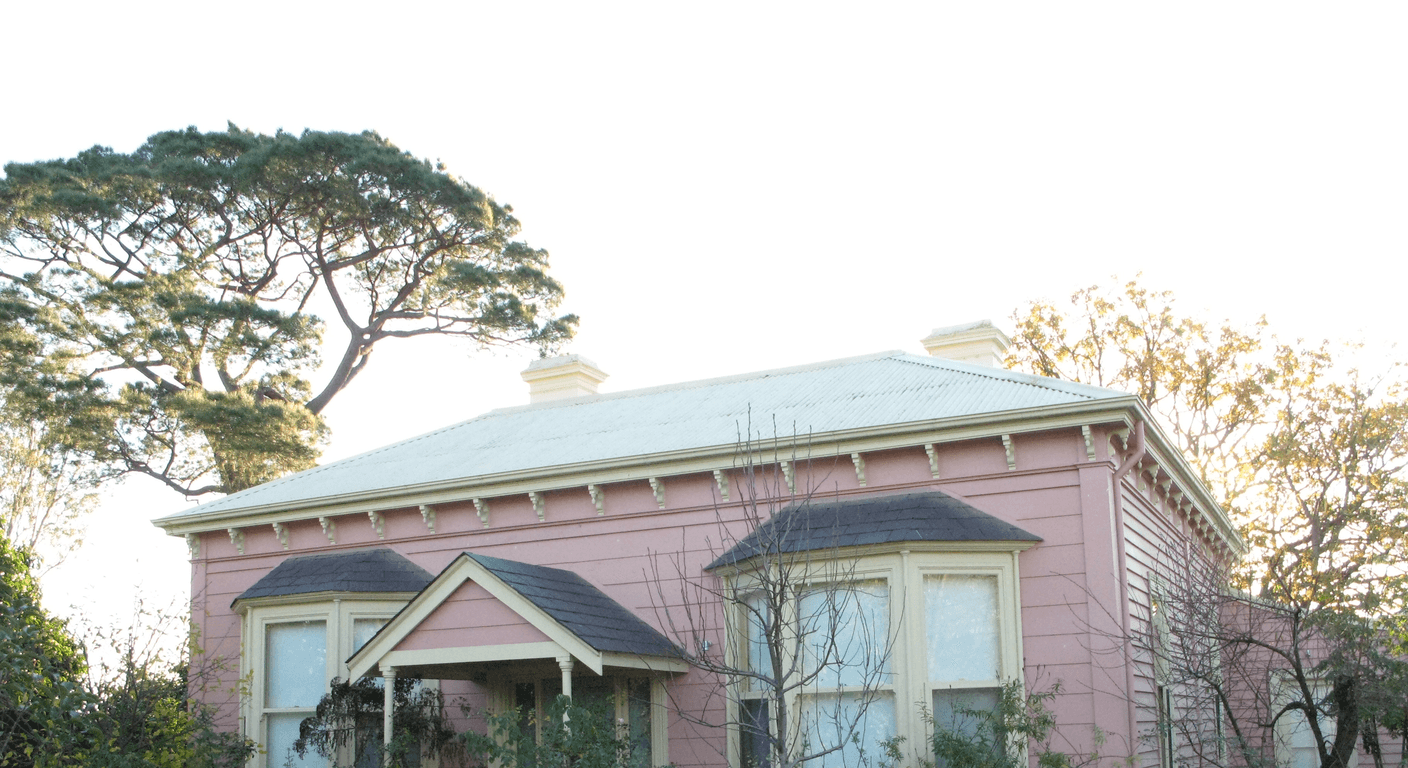
Three distinct buildings on the site carry this history physically. Heide I is the original farmhouse where the Reeds lived simply while supporting artists around them. Heide II is the modernist house they later built — now a gallery space — designed with Sunday Reed's deep involvement. Heide III is the purpose-built contemporary gallery added in 1993. Walking between them, you are walking through different chapters of the same story.
What to see inside: the galleries and the permanent collection
The permanent collection at Heide is anchored by works from the artists who lived and worked here — Nolan's early Kelly series paintings, Tucker's Images of Modern Evil, Boyd ceramics and Hester drawings among them. These are not reproductions in a survey show; they are works with a direct connection to this specific place, and that provenance gives them a weight that a general art museum cannot replicate.
Heide III hosts the major temporary exhibitions, which change across the year and tend to be well-curated, mid-scale shows that do not overwhelm. The gallery layout is manageable — wide corridors, good natural and artificial lighting, and seating benches in most rooms, which matters when you are spending a full day on your feet. Audio guides are available and worth picking up if your group enjoys going at different depths.
Heide II, the Modernist house, is particularly worth time. The rooms are not large, but they have been kept in a way that suggests habitation rather than pure museum preservation. Sunday Reed's kitchen garden, visible through the windows, blurs the line between domestic life and artistic life in a way that is quietly affecting. Plan to spend at least 90 minutes across the three gallery buildings before moving outside.
The sculpture park and kitchen garden: how to pace the outdoor visit
The sculpture park is where a group can breathe out. Works by Australian and international sculptors are placed across the lawns and among the trees, and the scale of the grounds means you are never jostled. There are mown grass paths, sealed paths and some less-even ground between garden beds — more on accessibility below — but the main sculpture circuit is manageable for most walkers at a moderate pace.
Sunday Reed's kitchen garden is a heritage feature in its own right. She was a committed and knowledgeable gardener, and the beds she established have been maintained as a living part of the property. Seasonal herbs, vegetables and cutting flowers grow here, and it is the kind of garden that rewards slow looking rather than a quick pass. In spring and autumn particularly, the colours and scents make it a natural stopping point.
The best approach for a group with mixed energy levels is to do the indoor galleries first, break for lunch at the café, then take the outdoor spaces in the afternoon when the light is lower and the heat (in summer) has eased. In autumn and spring, the order matters less — both seasons offer comfortable outdoor temperatures and the gardens at their most photogenic.
Accessibility at Heide: what to know before you go
Heide is broadly accessible but honest visitors note that it is not uniformly flat. The gallery buildings — Heide II and Heide III — are wheelchair and mobility-aid accessible, with ramps and accessible bathrooms. Heide I, the original farmhouse, has some uneven surfaces and steps that may be difficult for those with significant mobility limitations; it is worth contacting Heide directly in advance if this is a concern for anyone in your group.
The sculpture park paths include a sealed main circuit, but some routes through the kitchen garden and to the river edge involve grass and gravel. For friends travelling with a walker or anyone who tires easily, the sealed path gives access to the majority of sculptures without needing to navigate the rougher sections. The café is fully accessible and has outdoor seating on a level terrace.
Parking on-site is available and free, which is genuinely useful for a group arriving by car from regional Victoria. If anyone in the group uses a mobility parking permit, designated spaces are available near the main entrance. Heide's website publishes an accessibility guide, and it is worth downloading before the visit so no one arrives with mismatched expectations.
Café Vue at Heide: making lunch the centrepiece
Café Vue at Heide is operated by the Vue de Monde group and sits at a level above what most museum cafés offer. The menu draws on seasonal and local produce, leans toward Mediterranean and modern Australian flavours, and changes regularly. For a group of friends who take food seriously — and many do — this is not a reluctant sandwich stop; it is a genuinely good lunch destination that happens to be inside a museum.
The café has indoor and outdoor seating, and on a fine day in autumn or spring the terrace overlooking the gardens is the obvious choice. For a group of four to six, booking a table in advance is sensible, particularly on weekends and during school holidays. The café is open during museum hours; check the Heide website for current trading days as these can vary by season.
Indicative prices for a main course sit roughly in the $28–$38 AUD range, with shared plates and a wine list that reflects the setting. For friends treating themselves to a proper day out, the cost feels proportionate. Those watching their budget can opt for the lighter café menu — soup, a substantial salad, coffee and cake — and come away satisfied without the full lunch spend. Confirm current menu and prices directly with Heide or Café Vue before visiting.
Getting to Heide from Melbourne CBD or regional Victoria
From Melbourne CBD, the most straightforward public transport route is the Hurstbridge or Diamond Creek train line to Heidelberg Station, followed by Bus 903 to the Heide stop on Templestowe Road. The full journey takes around 40–50 minutes depending on connections. PTV's Journey Planner at ptv.vic.gov.au will give you the current timetable and confirm the exact stop. A myki card is required; concession myki fares apply with a valid concession card.
For a group of four or more arriving together, a taxi or rideshare from the CBD can work out to a comparable cost per person and saves the connection between train and bus. 13cabs offers accessible vehicle bookings in advance, which is worth arranging if anyone in the group needs extra space or step-free entry. From the CBD, the drive is roughly 25–30 minutes outside peak hour.
Groups travelling from regional Victoria by V/Line will arrive at Southern Cross Station. From there, the train-and-bus route to Heide is straightforward, or a taxi from Southern Cross is a manageable cost split across the group. Driving from Ballarat, Bendigo or the Latrobe Valley, Heide's on-site parking removes any city parking stress — the property is easy to reach via the Eastern Freeway or Heidelberg Road depending on your direction of approach.
Key takeaways
- Heide Museum of Modern Art in Bulleen holds the largest collection of work by Australia's Angry Penguins modernists, including Sidney Nolan, Arthur Boyd and Joy Hester, in the place where they actually worked.
- Concession entry is available and indicatively around $18–$22 AUD; confirm current pricing with Heide directly before visiting.
- The sculpture park covers 16 hectares with a sealed main circuit suitable for most walkers, though some garden paths involve grass and gravel.
- Café Vue at Heide is a serious lunch destination, not a museum canteen — booking ahead for a group on weekends is a sensible move.
- From Melbourne CBD, the Hurstbridge line to Heidelberg Station then Bus 903 gets you to Heide in around 40–50 minutes; a group taxi is a practical alternative.
- Autumn and spring are the most comfortable seasons for a full day at Heide, when both the sculpture park and kitchen garden are at their best and the temperature supports lingering outdoors.
Where to look and book
Indicative prices only — always confirm with the operator before booking.
Frequently asked questions
Does Heide Museum of Modern Art offer a seniors or concession discount?
Yes, Heide offers concession entry pricing. The indicative concession rate is around $18–$22 AUD, but prices are subject to change and you should confirm the current rate directly with Heide at heide.com.au before your visit. A valid concession card is required at the door.
How long should you allow for a full day at Heide?
A thorough visit — covering the three gallery buildings, the sculpture park, Sunday Reed's kitchen garden and a sit-down lunch at Café Vue — takes roughly four to five hours comfortably. Groups that like to linger over art and lunch often find five to six hours passes without effort.
Is Heide accessible for visitors with mobility limitations?
The main gallery buildings (Heide II and Heide III) are wheelchair and mobility-aid accessible with ramps and accessible bathrooms. Heide I has some steps and uneven surfaces. The sculpture park has a sealed main circuit, but some garden paths are on grass or gravel. On-site accessible parking is available near the entrance. Contact Heide directly if you have specific accessibility requirements, as they publish an accessibility guide on their website.
What is the best way to get to Heide from Melbourne CBD without a car?
Take the Hurstbridge or Diamond Creek train line from Flinders Street or Melbourne Central to Heidelberg Station, then connect with Bus 903 to the Heide stop on Templestowe Road. The full journey is around 40–50 minutes. A myki concession card covers both legs. Use the PTV Journey Planner at ptv.vic.gov.au for current timetables.
Do you need to book in advance to visit Heide, and is the café bookable?
General museum entry does not always require advance booking, but checking the Heide website before visiting is worthwhile, particularly during popular exhibitions or school holidays when capacity may be managed. For Café Vue at Heide, booking a lunch table in advance is strongly recommended for groups, especially on weekends. Check current booking options at heide.com.au.
Got a tip, a price update or a story from this route? The community would love to hear it.
Share your views on our Facebook page— Seniors and Solo Traveller Stories
More melbourne
A Couple's Slow Day in Melbourne's Gardens and Markets: How to Spend Almost Nothing
A gentle, low-cost day out in inner Melbourne built around free gardens, cheap market eating and easy public transport…
A Day Out With the Girls in Melbourne's CBD: Free Galleries, Cheap Eats and Easy Trams
A practical plan for a group of friends over 60 to enjoy Melbourne's inner city on a budget: free galleries, the NGV,…
A Solo Winter Day in Melbourne's CBD: Free Galleries, Warm Corners and Quiet Pleasures
A practical, gentle plan for spending a winter day alone in Melbourne's inner city without spending much. It covers fr…