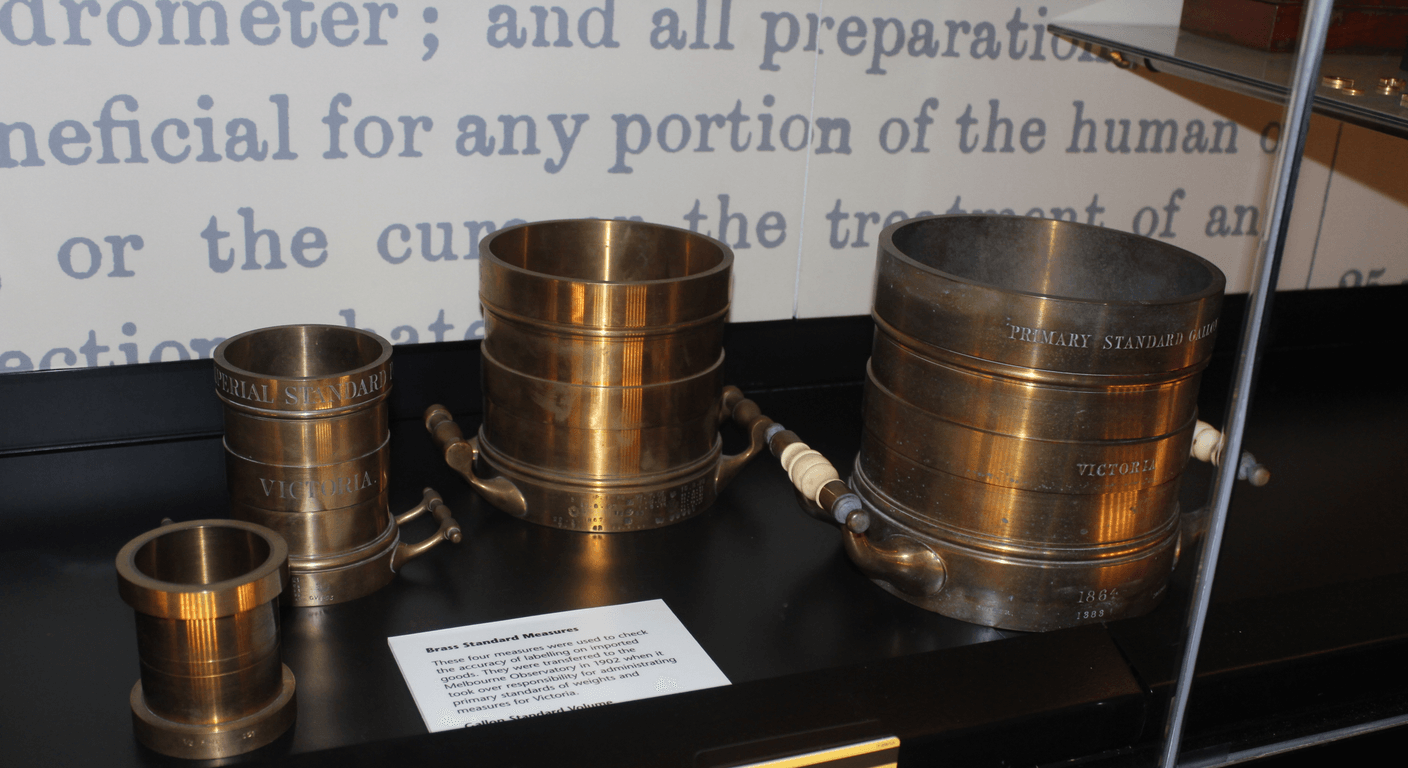
Melbourne's east end holds two of the city's most quietly powerful heritage buildings, both packed with stories that resonate deeply if your own family arrived on a boat or a plane. The Immigration Museum and the Old Treasury Building sit within easy walking distance of each other, and together they make a full, unhurried culture day for a solo traveller who wants substance over spectacle. This guide covers how to get there on the free tram, what to expect inside each building, accessibility, concession pricing, and a gentle walking loop past Parliament House and the Princess Theatre.
Why these two buildings make a natural pair
The Immigration Museum on Flinders Street and the Old Treasury Building on Spring Street are separated by about 1.5 kilometres of flat, walkable city. Both occupy significant nineteenth-century bluestone and sandstone buildings, both tell stories about how this city and this country were built, and both are genuinely absorbing for anyone who has a personal stake in that history — which, for many Victorians over sixty, is not abstract at all.
For a traveller with Italian Australian heritage, or Greek, Lebanese, Vietnamese, or Chinese background, the Immigration Museum in particular can feel less like a visit to a museum and more like finding your own family in the walls. The Old Treasury Building adds another layer: the gold that flowed through those vaults in the 1850s and 1860s funded the city that migrants were arriving to build. The two stories interlock.
Pacing is everything on a day like this. Neither building rewards rushing. Plan to arrive at the Immigration Museum when it opens, spend two to three hours there at a comfortable pace, take a proper lunch break, and then walk to the Old Treasury in the early afternoon. The walking loop via Parliament House and the Princess Theatre adds perhaps thirty minutes and costs nothing.
Getting there: the free tram zone and what to know before you board
Melbourne's CBD free tram zone covers the entire inner city loop and extends down Flinders Street, St Kilda Road and Spring Street — exactly the area you need for this day. If you are travelling from an inner suburb, you can ride a tram to the edge of the free zone and the fare stops there. If you are coming from further out on a Myki card, simply tap on as usual; the system handles the free zone automatically once you are within it.
The most direct tram to the Immigration Museum is any tram running along Flinders Street — routes 70, 75 and the City Circle tram all pass close by. Alight near Federation Square or the corner of Flinders and William Streets. The museum entrance is on Flinders Street, a short, flat walk from either stop. For the Old Treasury Building, trams running along Collins Street (routes 11, 12, 48, 109) stop near Spring Street, and the building is right there at the top of the hill.
The walk between the two buildings is straightforward and mostly flat until the last short rise up to Spring Street. If hills are a concern, trams along Collins Street will carry you the full distance without effort. PTV's journey planner at ptv.vic.gov.au is the most reliable tool for checking current timetables and stop locations on the day.
The Immigration Museum: whose stories are on the walls?
The Immigration Museum occupies the former Customs House, a grand 1876 building on Flinders Street that once processed the goods arriving in Melbourne's booming port. The irony is deliberate and well-handled: the building that once assessed tariffs on imported cargo now honours the people who came through on those same ships. The architecture itself — high ceilings, ornate stonework, long gallery corridors — gives the place a weight that suits the subject matter.
The permanent galleries trace migration to Victoria from the gold rush era through to the present day. The post-war sections covering Italian, Greek, Maltese and Eastern European communities are among the most detailed, and the museum has been expanding these in its 2025-2026 redevelopment. Personal objects, recorded voices, family photographs and reconstructed domestic spaces make the exhibition feel intimate rather than institutional. It is common for visitors to stop for a long time at a single display case because something in it looks exactly like something from their own kitchen or their nonna's house.
Temporary exhibitions run alongside the permanent collection and vary through the year — check museumsvictoria.com.au before your visit to see what is current. The museum also holds community events and occasional evening programs. Concession entry (with a valid seniors card or pension card) is around $10-$15 AUD indicative; confirm the current rate on the Museums Victoria website or at the door. Children and some community groups may enter free, and there are family rates if grandchildren are joining.
Accessibility at the Immigration Museum: what to expect
The Customs House building has been adapted for accessibility but it is a heritage structure, so there are some practical considerations. Lifts access the upper floors, and the main gallery level is step-free from the Flinders Street entrance. Wheelchairs and mobility aids are accommodated, and the museum's own accessibility information on the Museums Victoria website is worth reading before you visit, as it is kept reasonably current.
The gallery spaces are wide enough to move through comfortably, and seating is available throughout. The pace of the permanent exhibition is self-directed, so you can spend as long as you like at any display without feeling pressure to keep moving. Toilets, including accessible facilities, are on site. Staff and volunteers are generally helpful if you need orientation.
If you use a walking stick or have uneven gait, the floor surfaces inside are smooth and manageable. The main concern for some visitors will be the walk from the tram stop, which is short and flat. If you are arriving by taxi or rideshare, drop-off on Flinders Street directly outside is straightforward.
Lunch between museums: where to stop on Flinders Lane or Collins Street
Between the Immigration Museum and the Old Treasury, there is no shortage of places to sit down properly for lunch. Flinders Lane, one block north of Flinders Street, has a long run of cafes and small restaurants that are busy at midday but rarely overwhelming. The stretch between Swanston and Elizabeth Streets has reliable options across a range of price points — a bowl of soup and bread will cost roughly $15-$20 AUD at most cafes, a sit-down lunch with a main and a drink around $25-$35 AUD indicative. Confirm current prices when you arrive.
Collins Street itself has several cafes with good seating and a calmer atmosphere than the food courts in the nearby arcades. If you prefer a proper sit-down with table service and more time to rest your feet before the afternoon, the cafes on the upper end of Collins Street near Spring Street tend to be quieter and less rushed than those closer to Elizabeth Street.
If the weather is cooperative, the City Square forecourt area and the Treasury Gardens (adjacent to the Old Treasury Building) both have bench seating where you can eat a takeaway lunch and take stock of the morning before heading into the afternoon. The Treasury Gardens are flat and well-maintained, with good shade in the warmer months.
The Old Treasury Building and the gold vaults: what the tour covers
The Old Treasury Building at the top of Collins Street is one of the finest nineteenth-century public buildings in Australia, designed by nineteen-year-old public servant John James Clark and completed in 1862. It was built specifically to store the gold coming out of the Victorian goldfields, and the vaults beneath the building held more gold at various points than almost any other place in the country. Walking down into those vaults — cool, stone, quiet — gives you a physical sense of the scale of the gold rush that no textbook quite manages.
The building now operates as a museum of Melbourne's history, with exhibitions covering the gold rush, the building's own construction, and the social and political history of the city. Volunteer-guided vault tours run on a schedule through the week and on weekends; the Old Treasury Building website at oldtreasurybuilding.org.au has current tour times and booking information. Concession entry is around $10 AUD indicative — confirm directly with the venue before your visit, as pricing and tour schedules do change.
The exhibitions are well-curated and not overly long, which suits an afternoon visit after a full morning at the Immigration Museum. The building's rooms are beautiful in their own right, and the views from the front steps back down Collins Street toward the bay on a clear day are worth pausing for. The gift shop carries a thoughtful selection of books on Melbourne history, including titles on migration and the gold rush era that connect the two museums' stories.
The walking loop: Parliament House and the Princess Theatre
After the Old Treasury, a short loop through the Parliamentary precinct adds context and fresh air without requiring significant extra walking. Parliament House is directly adjacent to the Old Treasury on Spring Street; free public tours of the chambers run on sitting-free days and can be booked through parliament.vic.gov.au. Even without a tour, the exterior and the forecourt steps are open, and the building's scale says something important about how much confidence (and gold revenue) this colony had in the 1850s.
The Princess Theatre sits across the intersection of Spring and Wellington Parade, a short, flat walk from Parliament House. It is one of the most ornate theatre facades in Australia, a Second Empire structure completed in 1886, and it is still an active performing venue. You cannot enter without a ticket to a performance, but the exterior repays a proper look — the cast iron lacework, the mansard roof, the sheer exuberance of the thing. It is the architectural equivalent of the city deciding it had arrived.
From the Princess Theatre, trams on Wellington Parade and Flinders Street can carry you back to wherever you need to go, all within or close to the free tram zone. If your legs are still willing, the walk back down Spring Street to Flinders Street is downhill and pleasant. The whole loop from the Old Treasury and back to a Flinders Street tram stop is around thirty minutes at an easy pace.
Key takeaways
- The Immigration Museum and Old Treasury Building sit 1.5 kilometres apart in Melbourne's CBD and together cover the city's founding stories from gold rush wealth to migrant settlement.
- Both buildings are accessible via Melbourne's free CBD tram zone — no Myki fare is required within the zone.
- Concession entry to the Immigration Museum is around $10-$15 AUD and to the Old Treasury vault tour around $10 AUD, both indicative — confirm current prices before visiting.
- The Immigration Museum's permanent galleries have been expanded in 2025-2026 with greater depth on post-war Italian, Greek and Vietnamese community stories.
- The Old Treasury's underground gold vaults are the highlight of that venue and are best experienced on a scheduled volunteer-guided tour — check current tour times at oldtreasurybuilding.org.au.
- A short walking loop from the Old Treasury via Parliament House and the Princess Theatre adds thirty minutes and no cost, and rounds out the day with Melbourne's grandest public architecture.
Where to look and book
Indicative prices only — always confirm with the operator before booking.
Frequently asked questions
Is there a seniors discount at the Immigration Museum in Melbourne?
Yes. Museums Victoria offers concession pricing for holders of a valid seniors card, pension concession card or similar. The indicative concession rate is around $10-$15 AUD, but pricing is subject to change — confirm the current rate at museumsvictoria.com.au or at the door before you pay.
Is the Immigration Museum accessible for visitors with mobility aids?
The Immigration Museum in the former Customs House on Flinders Street has lift access to upper floors and a step-free entrance from Flinders Street. Wheelchairs and walking aids are accommodated, and accessible toilet facilities are on site. The Museums Victoria website publishes specific accessibility information for the venue, which is worth checking before your visit.
How do you get to the Old Treasury Building by tram for free?
The Old Treasury Building on Spring Street is within Melbourne's CBD free tram zone. Trams on Collins Street (routes 11, 12, 48 and 109) stop near the Spring Street intersection. No fare is charged within the free zone — if you are travelling in from a suburb on a Myki card, tap on as usual and the system stops charging once you enter the free zone. Check ptv.vic.gov.au for current routes and stop locations.
Do you need to book in advance for the Old Treasury Building vault tour?
Vault tours at the Old Treasury Building run on a schedule and it is advisable to check current tour times and any booking requirements at oldtreasurybuilding.org.au before your visit. Walk-in access to the building's exhibitions is generally available during opening hours, but the guided vault tours may have set departure times and limited places.
Can you do both the Immigration Museum and the Old Treasury Building in one day?
Yes, comfortably, if you start at the Immigration Museum when it opens and allow two to three hours there. After a proper lunch break in Flinders Lane or on Collins Street, the Old Treasury Building and a guided vault tour will fill a satisfying afternoon. Adding the short walking loop past Parliament House and the Princess Theatre brings the day to a natural close before tram services home.
Got a tip, a price update or a story from this route? The community would love to hear it.
Share your views on our Facebook page— Seniors and Solo Traveller Stories
More melbourne
A Couple's Slow Day in Melbourne's Gardens and Markets: How to Spend Almost Nothing
A gentle, low-cost day out in inner Melbourne built around free gardens, cheap market eating and easy public transport…
A Day Out With the Girls in Melbourne's CBD: Free Galleries, Cheap Eats and Easy Trams
A practical plan for a group of friends over 60 to enjoy Melbourne's inner city on a budget: free galleries, the NGV,…
A Solo Winter Day in Melbourne's CBD: Free Galleries, Warm Corners and Quiet Pleasures
A practical, gentle plan for spending a winter day alone in Melbourne's inner city without spending much. It covers fr…