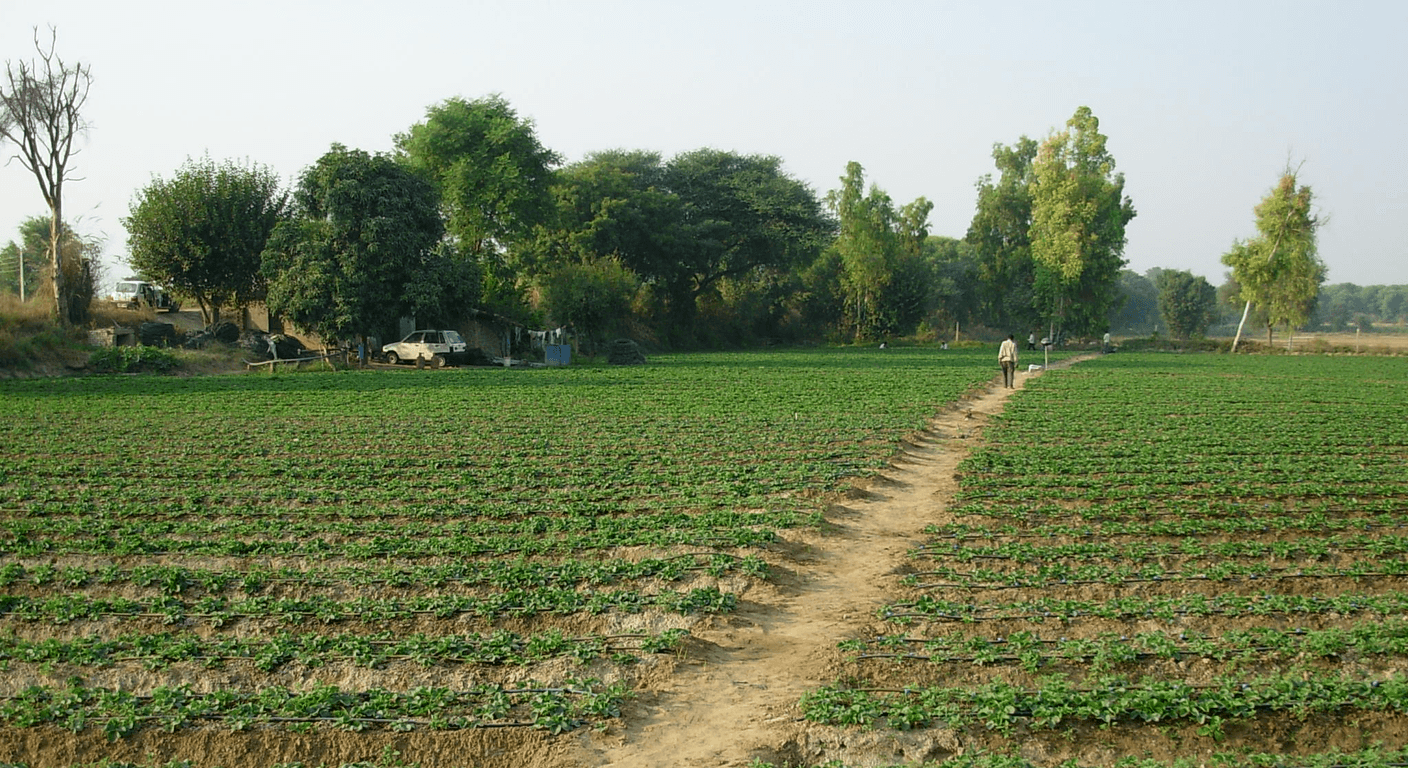
The Mornington Peninsula rewards a slow, self-paced food drive through its farm gates, berry patches, olive groves, cideries and cheese rooms. For a solo traveller who appreciates real produce and unhurried conversation with growers, this peninsula loop delivers the kind of day that is hard to replicate closer to Melbourne. Seasonality matters here — knowing when each crop peaks is what turns a pleasant drive into a genuinely memorable one.
Why the Mornington Peninsula Suits a Solo Food Drive
The Mornington Peninsula sits roughly an hour to ninety minutes south-east of Melbourne's CBD, depending on your starting point and the Frankston Freeway traffic. For a solo traveller, the appeal is straightforward: the distances between farm gates are short, the roads through Red Hill, Merricks and Main Ridge are easy to navigate with a basic map app, and most producers genuinely welcome visitors who arrive curious and unhurried rather than in a tour-bus group.
There is something quietly satisfying about walking into a cheese room or an olive grove on your own terms, tasting at your own pace, and having a real conversation with the person who made the thing you are eating. The peninsula's food producers tend to be hands-on owners rather than corporate operations, which makes the human element of the day as nourishing as the food itself.
Accessibility varies considerably between properties, so this guide flags the terrain honestly at each stop. If walking on uneven ground or gravel paths is a consideration, phoning ahead takes thirty seconds and saves frustration. Most growers appreciate the call and will often arrange a more accessible entry point without any fuss.
Getting There: Driving Versus Public Transport
Driving is the most practical option for this route. A car gives you the freedom to move between farm gates at your own pace, carry purchases home without difficulty, and stop whenever a roadside stall or view catches your attention. The main route follows the Moorooduc Highway south from Frankston, then weaves through Red Hill Road, Shoreham Road and Merricks Road. Google Maps or Apple Maps handles this well; a printed Peninsula map from a visitor information centre is a useful backup.
If driving is not an option, the Mornington Peninsula is served by bus connections from Frankston Station (Frankston is on the Frankston line from Flinders Street). From Frankston, Peninsula Bus Lines operates several routes across the peninsula, but coverage to farm-gate areas like Red Hill and Merricks is limited. A rideshare or taxi from Mornington township to the Red Hill area is a realistic alternative for the farm-gate cluster — check current Peninsula Bus Lines timetables at ptv.vic.gov.au before you travel.
Parking at most farm gates and cellar doors is free and generally easy for a single car. Some gravel driveways are uneven, so low-clearance vehicles are fine but take them slowly. Leave Melbourne no later than 8.30am to make the most of morning freshness at the farm gates and to avoid afternoon fatigue on the return drive.
When to Go: Seasonality of Each Crop
Timing this drive around what is actually ripe is the single most important piece of planning. Strawberries at the peninsula's pick-your-own farms are typically at their peak from late November through January, with some farms extending into February depending on the season. Blueberries and raspberries follow a similar summer arc. Red Hill Organics and similar operations in the Red Hill area have historically offered pick-your-own berry access — confirm opening dates and availability directly with each property before you travel, as seasons shift year to year.
Cherries are a late-spring-to-summer crop, generally peaking from late November through December in the peninsula's cooler elevated areas around Red Hill. Apples ripen from late summer into autumn, with February through April being the window for varieties like Fuji, Pink Lady and Granny Smith at orchards on the higher ground. Olive harvest on the peninsula typically runs from late April through June, which is also when olive oil from the previous harvest is at its freshest at tasting rooms.
Cheese making is a year-round activity, so the peninsula's cheese producers are accessible in any season — which makes them a reliable anchor for the itinerary regardless of when you travel. The Red Hill Farmers Market runs on the first Saturday of each month and is worth building a Saturday trip around if the timing aligns; check current dates at the Red Hill market website before confirming your plans.
The Berry Farms and Orchards: What to Expect
Pick-your-own berry farms on the Mornington Peninsula offer a genuinely tactile experience that is quite different from buying fruit at a market. You are handed a container, pointed toward the rows, and left to work at your own speed. For someone who grew up around Italian kitchen gardens and the rhythms of seasonal produce, there is a familiar pleasure in selecting fruit yourself — you know what ripe looks and smells like, and you can take your time.
Indicative pick-your-own pricing is typically charged by weight, with strawberries running around $8–$12 per kilogram as a rough guide — always confirm current pricing directly with the farm, as it changes with the season and the harvest. Wear closed shoes with a grip sole; the rows between plants are often on slight slopes and the ground can be damp in the morning. A sun hat is essential from October through March.
Orchard visits for cherries and apples tend to be more structured than berry farms, with some operations selling pre-picked fruit at a farm-gate stall rather than offering pick-your-own access. It is worth phoning or checking the property's social media pages in the week before you travel to confirm what format they are running that season. Yarra Valley Cherries (though in the Yarra Valley) is often cited alongside peninsula cherry growers — for the peninsula specifically, Red Hill and Main Ridge producers are the ones to search for via visitmorningtonpeninsula.org.
Olive Groves and the Cidery: Two Underrated Stops
The Mornington Peninsula's olive groves are genuinely worth seeking out, particularly if you have any connection to Italian food culture. Montalto Vineyard and Olive Grove in Red Hill is one of the better-known operations, with a cellar door and restaurant set in a beautifully maintained property. The olive oil produced here is cold-pressed and estate-grown; tasting it alongside the estate's wines is a slow, considered experience. Indicative tasting fees apply — check current pricing at montalto.com.au. The restaurant is a step up in cost but the gardens and olive grove can be enjoyed with a more modest purchase.
For cider, the peninsula has a small but committed cider-making scene that reflects its apple-growing history. Yalumba Cider and several smaller operations produce dry and off-dry ciders from local fruit. Surfing Goat and similar peninsula producers are worth researching via the current visitmorningtonpeninsula.org listings, as smaller operators do change their cellar-door hours. A tasting flight at a cidery typically costs around $10–$15 as an indicative figure — confirm before you visit.
Both the olive grove and cidery stops suit a mid-morning to early-afternoon slot in your itinerary. They tend to be quieter than winery cellar doors and the staff at smaller operations are often the producers themselves, which makes for a more personal experience. If you are driving, one tasting flight is the sensible limit; most properties are happy for you to purchase a bottle to take home rather than taste extensively.
The Cheese Makers: A Proper Tasting Stop
The Mornington Peninsula has a small cluster of artisan cheese producers, with Main Ridge Dairy and similar operations producing soft cheeses, aged varieties and fresh curds from local milk. A cheese tasting room is one of the more accessible stops on this kind of drive — there is typically a counter or table, the products are brought to you, and you can taste and ask questions without any physical exertion. It is a good mid-afternoon stop when energy is lower and you want to sit down properly.
A tasting platter at a peninsula cheese room is indicatively priced from around $20 upwards — always confirm current pricing with the producer. Pair this with a small purchase of olives or a sourdough from an earlier farm-gate stop and you have a very decent late lunch without needing to book a restaurant. This kind of self-assembled meal is one of the genuine pleasures of a food-trail day.
Accessibility at cheese rooms is generally good — most are purpose-built tasting spaces with flat floors. If you use a walking aid, phone ahead to confirm the entry path. Most producers on the peninsula are small family operations and are genuinely accommodating when you ask directly. The Mornington Peninsula Visitor Information Centre in Dromana or Mornington can provide a current list of cheese producers open to visitors; check visitmorningtonpeninsula.org for up-to-date listings.
Pacing the Day Sensibly: A Suggested Order and Practical Tips
A realistic food-trail day on the peninsula covers four to five stops over six to seven hours, including driving time and a proper rest at each location. A suggested order: start at a berry farm early (before 10am when it is cooler and less crowded), move to an orchard or farm-gate stall mid-morning, stop at the olive grove or cidery around late morning, take a genuine lunch break rather than grazing through it, then finish with the cheese room in the early to mid-afternoon before driving home in daylight.
Build in at least one proper sit-down break, ideally with a hot drink. Several of the peninsula's farm-gate operations have a simple café or at minimum a shaded bench. Carrying a small cooler bag in the car means any fresh cheese, berries or butter you purchase stays in good condition on the drive home — this is worth the small effort. A reusable shopping bag and a small ice brick are the two most useful things to pack.
Solo travellers sometimes find that farm-gate staff are more forthcoming in conversation when there is no group dynamic to navigate. Do not be in a hurry to move on from a producer who is clearly enjoying the conversation — those exchanges are often the most memorable part of the day. That said, be realistic about fatigue: a 3pm departure from the last stop gives you comfortable daylight for the return drive and avoids the early-evening Frankston Freeway traffic.
Key takeaways
- The Mornington Peninsula's farm-gate trail is best driven mid-week in a private car, leaving Melbourne by 8.30am to maximise daylight and avoid traffic.
- Seasonality defines the experience: strawberries and cherries peak in summer, apples in autumn, and olive oil tastings are freshest after the June harvest.
- Accessibility varies between farms — a quick phone call ahead to any property saves frustration and is almost always well received by small producers.
- Four to five stops over six to seven hours is a sensible pace; more than that turns a pleasurable food drive into an exhausting errand.
- A small cooler bag with an ice brick is the most practical packing decision for keeping fresh cheese, berries and butter in good condition on the drive home.
- The human element — talking directly with the person who grew or made the food — is what separates a farm-gate drive from a supermarket run, and solo travel makes those conversations easier.
Where to look and book
Indicative prices only — always confirm with the operator before booking.
Frequently asked questions
When is the best time of year to do a Mornington Peninsula farm-gate food drive?
Late November through January is the peak window for berries and cherries. February through April suits apple orchards. Olive oil tastings are available year-round but are freshest after the autumn-winter harvest. Cheese makers operate year-round and are a reliable stop in any season. Always confirm individual farm opening dates before you travel, as seasons shift year to year.
Can you do the Mornington Peninsula farm-gate trail without a car?
It is difficult but not impossible. Frankston is on the Frankston train line from Melbourne, and Peninsula Bus Lines operates services across the peninsula from Frankston Station. However, bus coverage to farm-gate areas like Red Hill and Merricks is limited. A rideshare or taxi from Mornington township to the Red Hill cluster is a more practical alternative for those not driving. Check current timetables at ptv.vic.gov.au.
Are the farm gates and cheese rooms on the Mornington Peninsula accessible for people with mobility considerations?
Accessibility varies considerably. Cheese tasting rooms and olive grove cellar doors tend to have flat, purpose-built spaces and are generally accessible. Pick-your-own berry farms involve uneven ground and sloped rows between plants, which can be challenging. Always phone the property directly before visiting — most small producers are willing to arrange a more accessible entry or alternative service when asked.
How much should you budget for a Mornington Peninsula farm-gate food day?
As an indicative guide only, budget roughly $80–$150 for a comfortable day including fuel, tasting fees, pick-your-own produce, a cheese platter and a few purchases to take home. Tasting fees at individual stops range from around $10 to $20 each. Always confirm current prices directly with each producer, as costs change with the season and the business.
Is the Red Hill Farmers Market worth combining with a farm-gate drive?
Yes, if your visit falls on the first Saturday of the month when the Red Hill market runs. It concentrates many peninsula producers in one location and is a useful orientation point before you head out to individual farm gates. Check current market dates at the Red Hill market website before planning your trip, as dates can shift around public holidays.
Got a tip, a price update or a story from this route? The community would love to hear it.
Share your views on our Facebook page— Seniors and Solo Traveller Stories
More day trips
Mornington Peninsula Hot Springs: A Gentle Wellness Day for the Over-60s
The Mornington Peninsula has long drawn Melbourne day-trippers for its wineries and beaches, but the hot springs at Fi…
Daylesford and Hepburn Springs: Victoria's Spa-Country Day Out
Daylesford and Hepburn Springs sit about 115 kilometres north-west of Melbourne in the Central Highlands, and together…
Ballarat in a Day by Rail: A Solo Traveller's Gentle Plan for Gold, Gardens and a Warm Lunch
Ballarat is an easy V/Line day trip from Melbourne with a flat, walkable town centre, good cafes and Sovereign Hill. A…