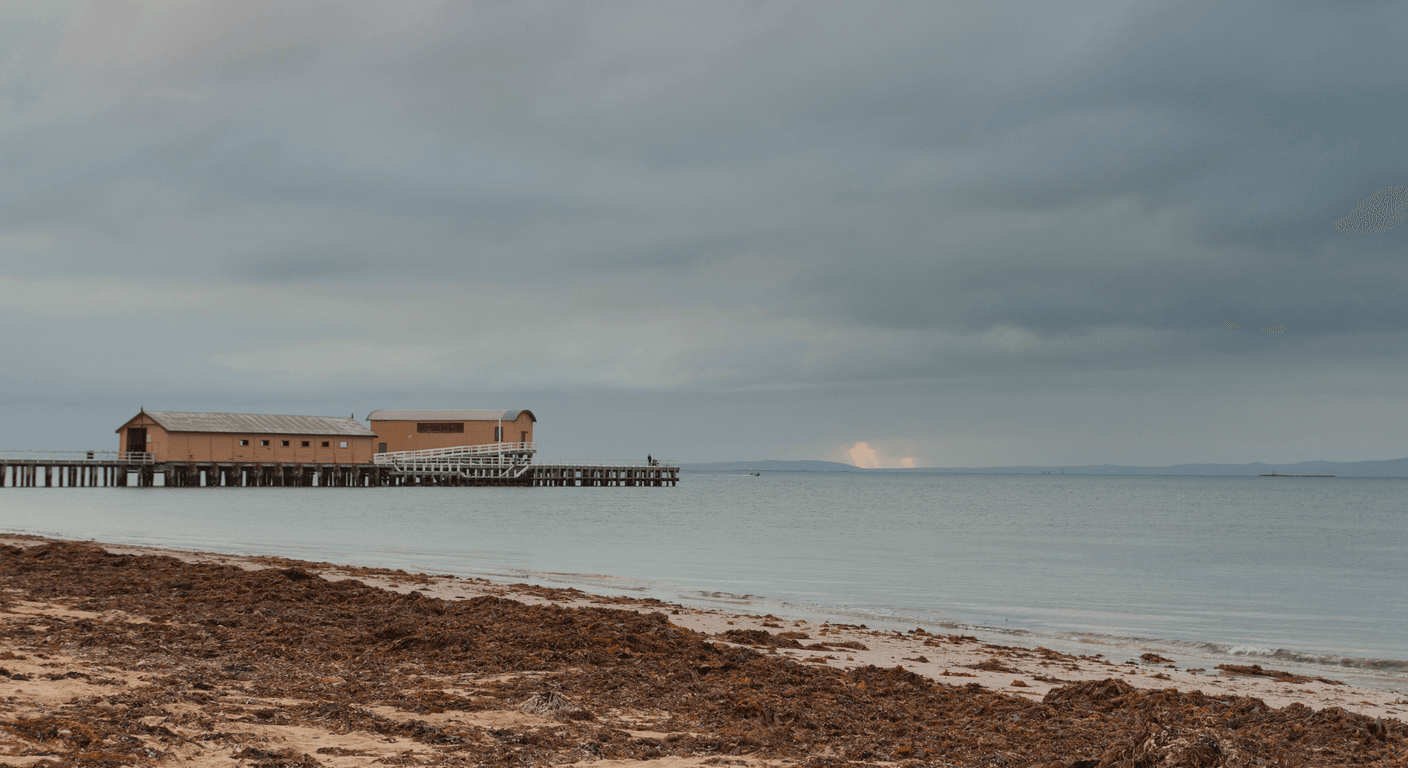
Queenscliff sits at the tip of the Bellarine Peninsula, about 100 kilometres south-west of Melbourne, and it rewards a slower pace — the kind where you linger over a good coffee, read the plaques on bluestone buildings, and catch a ferry view you did not plan for. This guide covers the historic township, Fort Queenscliff, the maritime museum, the Bellarine's food and wine trail, and the Sorrento–Queenscliff ferry option, with practical detail for travellers aged 60 and over travelling solo or with a friend.
Why Queenscliff works so well for a solo day trip
There is something quietly confident about Queenscliff. It does not try to compete with the Mornington Peninsula's weekend crowds or the Great Ocean Road's tourist coaches. It simply exists at the end of the Bellarine Peninsula, doing its own thing — bluestone streetscapes, a working harbour, heritage buildings that still earn their keep, and a food scene rooted in what the region actually grows and fishes. For a solo traveller who prefers substance over spectacle, that matters.
The township is compact enough to navigate on foot without planning a route — most of the key sites sit within a comfortable 15-minute walk of each other along Hesse Street and the foreshore. That said, the terrain is mostly flat, which is a genuine advantage if you are watching your steps or carrying a bag. There are benches along the foreshore, cafes with unhurried service, and no pressure to move quickly. A day here can be as full or as gentle as you want it to be.
For Italian-Australian travellers who appreciate good produce, a proper espresso, and places that take food seriously, the Bellarine region delivers without fanfare. The local olive oil, the seafood, the cool-climate wines — these are not marketing claims. They are the result of a peninsula that has been quietly growing excellent things for decades, and the Taste Trail makes it straightforward to find them.
How do you get from Melbourne to Queenscliff?
By car, Queenscliff is roughly 100 kilometres from Melbourne's CBD via the Princes Freeway and Bellarine Highway — allow around 90 minutes depending on traffic, and somewhat longer during school holidays or long weekends. Parking in town is generally available near the foreshore and along Hesse Street, though it fills on warm summer weekends. Arriving mid-morning on a weekday or in the shoulder season keeps things relaxed.
For those who prefer not to drive, V/Line operates coach services from Southern Cross Station to Geelong, from where connecting bus services run to Queenscliff. Journey times vary, so check current timetables at vline.com.au and ptv.vic.gov.au before you travel. The bus deposits you centrally in town, which makes the car-free option genuinely workable for a day visit.
A third option — and one that adds real pleasure to the day — is to travel to Queenscliff by ferry from Sorrento on the Mornington Peninsula. Searoad Ferries operates the crossing year-round, and the 40-minute trip across the heads of Port Phillip Bay is a draw in itself. You can drive your car across or travel as a foot passenger. If you are coming from Melbourne's south-east, driving to Sorrento and taking the ferry is a lovely way to begin the day, with the return drive along the Bellarine giving you a different view of the peninsula.
What is there to see at Fort Queenscliff?
Fort Queenscliff is one of Victoria's most intact nineteenth-century coastal fortifications, built in the 1880s when colonial authorities were genuinely anxious about Russian naval incursion — a historical anxiety that reads as almost charming now, but produced a serious piece of military architecture. The fort operated continuously until 1946 and served as the Australian Army Command and Staff College until 1995. The buildings, the Black Lighthouse, the magazine, and the gun emplacements are all still there.
Guided tours run regularly and are the best way to understand what you are looking at. The guides are knowledgeable and tend to pitch their commentary to an adult audience interested in real history rather than a sanitised version of it. Tours cover the fort's role in colonial defence, its wartime use, and the daily life of the soldiers stationed there. Allow around 75 to 90 minutes for a guided tour.
Accessibility within the fort is reasonable for most visitors, though some areas involve uneven ground and gravel paths. It is worth calling ahead or checking the fort's website if mobility is a specific concern — the staff are generally helpful in advising which sections are most accessible. The fort is located a short, flat walk from the town centre, near the harbour end of Gellibrand Street.
Is the Queenscliff Maritime Museum worth visiting?
For anyone with even a passing interest in seafaring history, the Queenscliff Maritime Museum is a genuinely absorbing few hours. The collection focuses on the history of navigation through Port Phillip Heads — one of the world's most treacherous harbour entrances — and tells the stories of the pilots, lighthouse keepers, and lifeboat crews who worked this stretch of water over more than 150 years.
The museum holds historic vessels, equipment, charts, photographs, and personal artefacts that give the collection texture and humanity. It is housed partly in heritage buildings near the harbour, and the scale is manageable — you will not feel overwhelmed or rushed. For a solo visitor, the self-guided format works well; there is enough written interpretation to make sense of the exhibits without needing a guide.
The museum is operated by volunteers and is not always open every day of the week, so checking current opening hours before your visit is essential. Entry is modest. It sits close to the wharf, which means you can easily combine a visit with a walk along the harbour foreshore and a look at the boats moored there — a simple pleasure that costs nothing and takes as long as you like.
What is the Bellarine Taste Trail, and how do you follow it?
The Bellarine Taste Trail is a self-guided route connecting producers across the Bellarine Peninsula — wineries, breweries, olive growers, cheesemakers, providores, and farm gates. It is not a fixed itinerary; it is a map and a framework that lets you choose your own combination of stops based on what you enjoy and how much time you have. The official trail map and producer listings are available at bellarineproduce.com.au.
For a day trip centred on Queenscliff, a practical approach is to select two or three stops in the northern or central Bellarine on your way in or out of town, rather than trying to cover the whole trail. The drive between producers is scenic and unhurried. Wineries along the trail — including some well-regarded cool-climate producers in the Swan Bay and Portarlington areas — typically offer tastings for a modest fee, and most have a cheese or charcuterie board option if you want to make a late morning or early afternoon of it.
For a traveller who appreciates quality produce, this trail is less about ticking boxes and more about a certain kind of pleasure — sitting with a glass of local pinot gris, looking out over a paddock or the bay, and taking your time. Many cellar doors are set up for exactly that. Do confirm opening days and hours directly with producers before visiting, as smaller operators often have limited trading days, particularly outside summer.
When is the best time to visit Queenscliff as an older traveller?
The shoulder seasons — March through May and September through November — are the most comfortable times for a day visit to Queenscliff if you are over 60 and travelling solo. The summer months bring weekend crowds to the foreshore, the ferry, and the more popular cafes, which can make parking harder, queues longer, and the town noisier than its character warrants. In the shoulder season, you get the real Queenscliff: quieter streets, shorter waits, and a more genuine sense of the place.
Autumn in particular suits the Bellarine well. The light is softer, the cellar doors are less crowded, and the drive down through Geelong and along the peninsula has a pleasant warmth to it. Winter visits are possible — the fort and maritime museum both operate year-round — but some smaller Taste Trail producers reduce their hours, so extra planning is needed. Spring brings wildflowers to the coastal reserves and a freshness to the bay views that is hard to argue with.
Weekday visits in any season are noticeably more relaxed than weekends. If your schedule allows, a Tuesday or Wednesday in April or October is close to ideal. You will find the town at its most unhurried, the cafe staff at their most attentive, and the ferry crossing — if you choose to include it — free of the weekend family groups that can make the boat feel less peaceful.
Practical notes: accessibility, costs, and what to bring
Queenscliff's town centre is largely flat and walkable, which suits travellers who want to move at their own pace without navigating hills. The foreshore path is well-maintained. Some heritage-listed interiors have uneven floors or narrow doorways, and parts of Fort Queenscliff involve gravel or grass surfaces. If you use a walking stick or have specific mobility needs, it is worth contacting the fort and museum in advance — both are accustomed to these enquiries and can advise honestly on what is accessible.
For indicative costs, a comfortable day in Queenscliff — including the ferry as a foot passenger one way, fort tour, maritime museum entry, lunch at a foreshore cafe, and a cellar door tasting — might come to somewhere in the range of $100–$150 per person, depending on your choices. This is indicative only; confirm all entry fees and transport costs directly with providers before you travel, as prices change. Driving your own car down and back, and skipping the ferry, reduces the day's cost considerably.
Bring layers regardless of season — the bay creates its own microclimate and afternoon winds can be brisk even on a warm day. Comfortable, flat-soled shoes are more useful than sandals given the mix of surfaces. There are public toilets at the foreshore near the ferry terminal and near the town centre. Queenscliff has a handful of good cafes and one or two reliable restaurants; for a solo lunch, the foreshore options tend to have good sight lines and welcoming staff. Booking ahead for lunch on a weekend is sensible.
Key takeaways
- Queenscliff is around 100 kilometres from Melbourne and works well as a full day trip, especially in the shoulder seasons of autumn and spring.
- Fort Queenscliff offers guided tours of one of Victoria's best-preserved nineteenth-century coastal fortifications, with concession pricing available.
- The Queenscliff Maritime Museum tells the story of Port Phillip Heads navigation through a well-curated collection — check opening days before visiting.
- The Bellarine Taste Trail is a self-guided route connecting wineries, olive growers, and farm gates across the peninsula; two or three stops pair well with a Queenscliff day.
- The Searoad Ferries crossing from Sorrento to Queenscliff takes around 40 minutes and operates year-round for both foot passengers and vehicles.
- The town centre is mostly flat and walkable, making it accessible for most travellers over 60, though some fort areas involve uneven surfaces worth checking in advance.
Where to look and book
Indicative prices only — always confirm with the operator before booking.
Frequently asked questions
How long does the Sorrento to Queenscliff ferry take, and is it suitable for older travellers?
The Searoad Ferries crossing between Sorrento and Queenscliff takes approximately 40 minutes. The vessel has indoor seating, external deck areas, and onboard facilities. Most travellers over 60 find it comfortable, though the crossing through Port Phillip Heads can be choppy in strong winds. Check conditions and current timetables at searoad.com.au before travelling.
Is Queenscliff accessible for travellers with limited mobility?
The Queenscliff town centre and foreshore path are largely flat and accessible. Some heritage buildings, including parts of Fort Queenscliff, have uneven ground or gravel paths. It is advisable to contact the fort directly before visiting if mobility is a concern, as staff can advise on which sections are accessible and whether any accommodations are available.
Do you need to book the Fort Queenscliff guided tour in advance?
Booking ahead for Fort Queenscliff guided tours is recommended, particularly on weekends and during school holidays. Tours run on a scheduled basis and can fill up. Check current tour times and booking options at fortqueenscliff.com.au before your visit.
What is the best season to visit Queenscliff to avoid crowds?
The shoulder seasons — March to May and September to November — offer the most comfortable conditions for a day visit to Queenscliff. Summer weekends can be busy, with parking and popular cafes filling quickly. A weekday visit in autumn or spring gives you the town at its quietest and most pleasant.
Can you do Queenscliff as a day trip from Melbourne without a car?
Yes, it is possible to reach Queenscliff from Melbourne without a car. V/Line coaches run from Southern Cross Station to Geelong, with connecting bus services to Queenscliff. Journey times vary, so check current timetables at vline.com.au and ptv.vic.gov.au before travelling. The town centre is compact enough to explore entirely on foot once you arrive.
Got a tip, a price update or a story from this route? The community would love to hear it.
Share your views on our Facebook page— Seniors and Solo Traveller Stories
- Visit Victoria — Queenscliff and the Bellarine Peninsula
- Fort Queenscliff Museum and Historic Site
- Queenscliff Maritime Museum
- Bellarine Produce — Bellarine Taste Trail
- Searoad Ferries — Sorrento to Queenscliff
- V/Line — Regional Victoria Train and Coach Services
- Public Transport Victoria — Journey Planner
More day trips
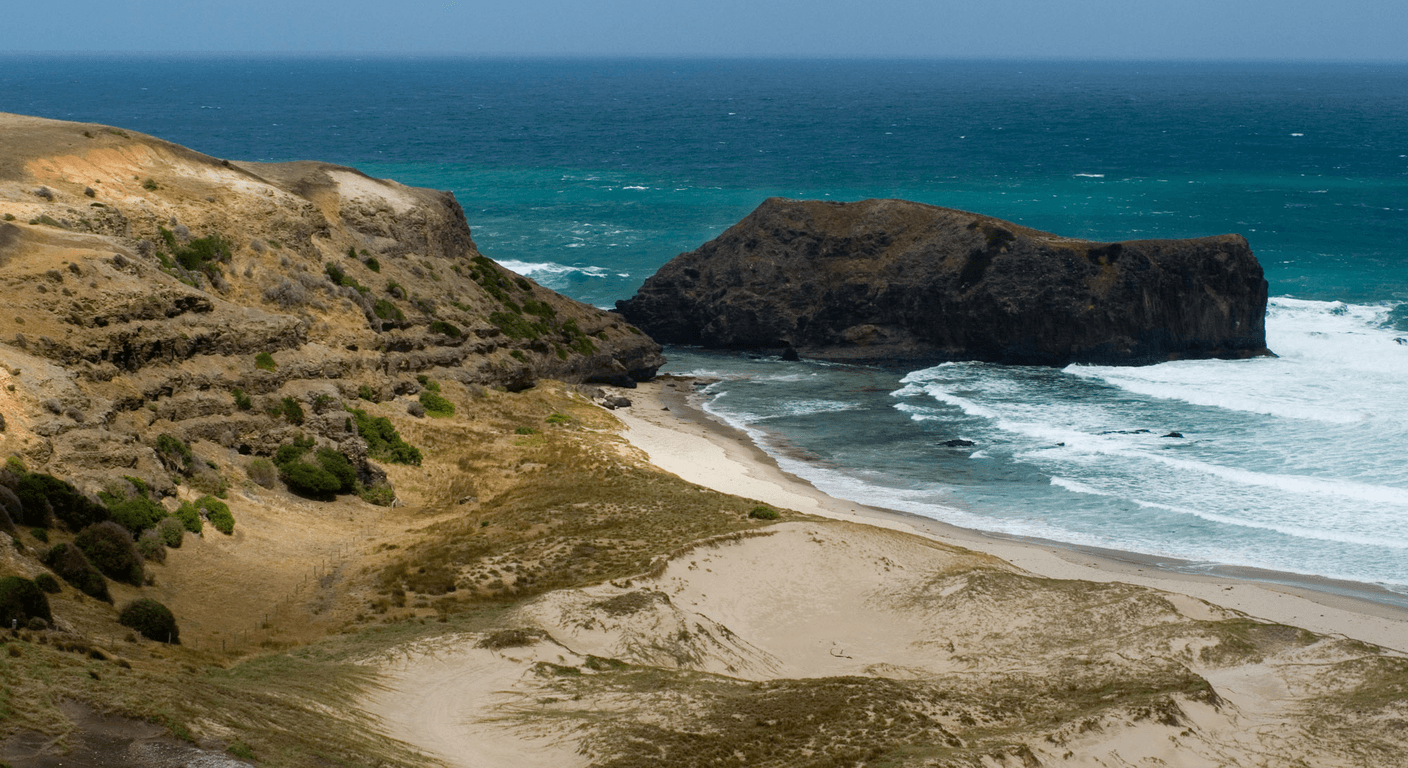
Mornington Peninsula Hot Springs: A Gentle Wellness Day for the Over-60s
The Mornington Peninsula has long drawn Melbourne day-trippers for its wineries and beaches, but the hot springs at Fi…
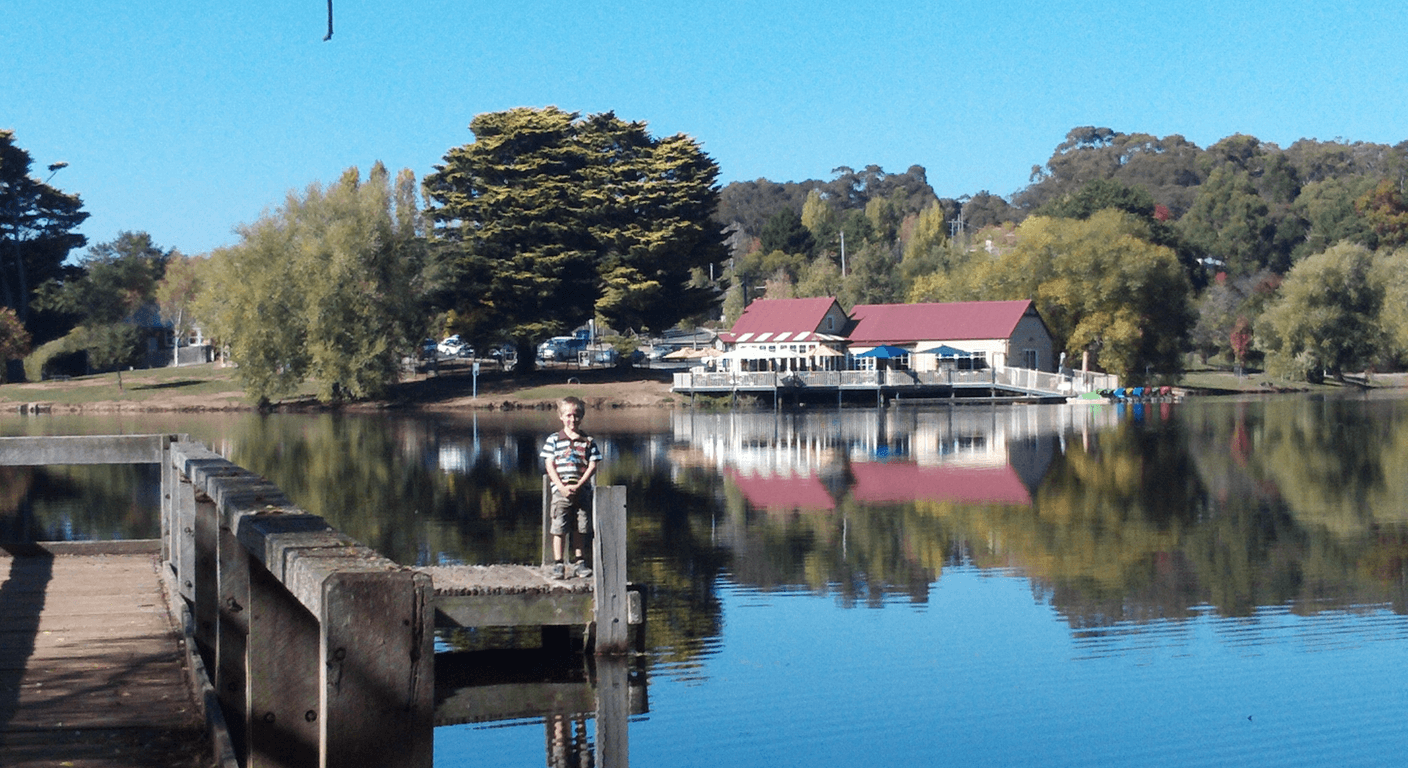
Daylesford and Hepburn Springs: Victoria's Spa-Country Day Out
Daylesford and Hepburn Springs sit about 115 kilometres north-west of Melbourne in the Central Highlands, and together…
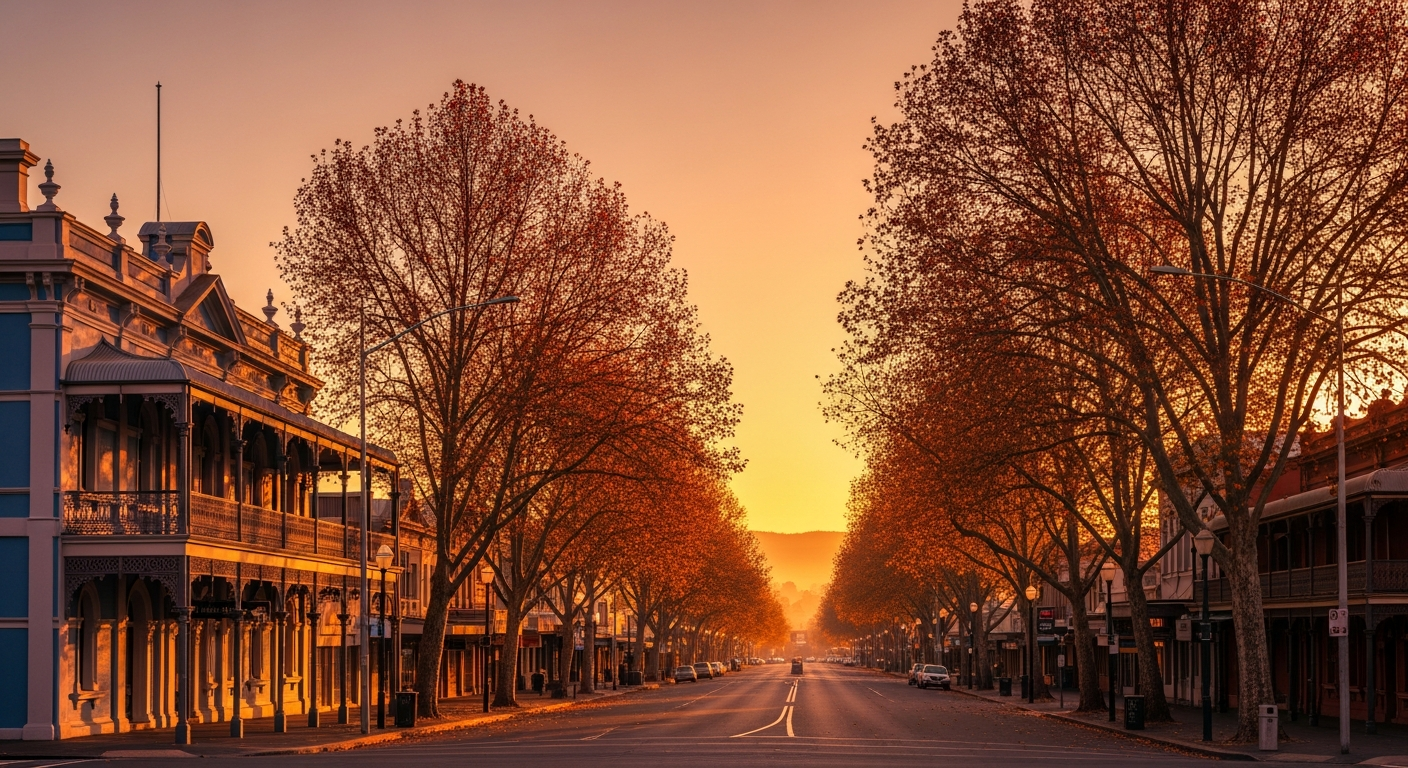
Ballarat in a Day by Rail: A Solo Traveller's Gentle Plan for Gold, Gardens and a Warm Lunch
Ballarat is an easy V/Line day trip from Melbourne with a flat, walkable town centre, good cafes and Sovereign Hill. A…