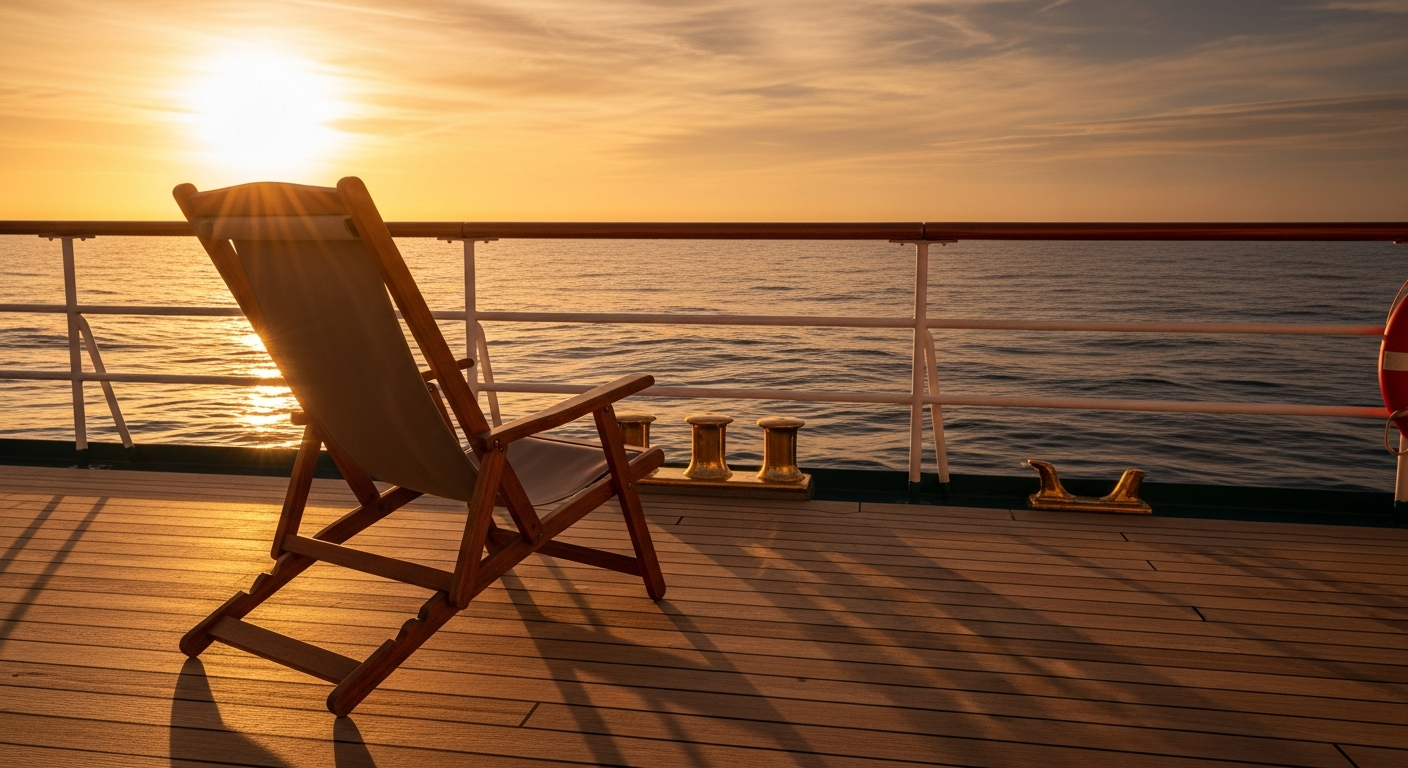
The single supplement is the extra charge solo travellers pay because tour and cruise prices assume two people share a room. It still exists, but a growing number of operators now waive or reduce it on selected departures. This guide explains how it works and names brands worth checking.
What is the single supplement, really?
When you book a tour or a cruise, the headline price is almost always quoted per person based on two people sharing a room or cabin. That price assumes the operator earns twice from one space. If you travel on your own, you occupy that whole room yourself, so the operator charges extra to make up the shortfall. That extra charge is the single supplement.
It is not a small thing. On many tours and cruises the supplement adds anywhere from 25 per cent to 100 per cent on top of the per-person fare. On a A$6,000 tour, that can mean paying an extra A$1,500 to A$3,000 simply for travelling alone. That sting catches plenty of solo travellers, and it is worth understanding before you commit.
Why does it still exist in 2026?
The plain truth is that hotel rooms and cabins are priced by the room, not the head. An operator who blocks 40 rooms pays for 40 rooms whether one person or two sleeps in each. A solo traveller in a double room represents lost revenue, and the supplement covers that gap.
It persists because demand for travel is strong and operators have little commercial reason to drop it across the board. What has changed is competition for solo travellers, who are a large and growing group — many widowed, divorced, or simply happier in their own company. Operators have noticed, and that is where the opportunities now sit.
Which brands are quietly easing it?
Several well-known operators now run selected departures with reduced or waived single supplements. APT, the Australian touring and river cruise company, regularly promotes departures where the solo supplement is cut or removed entirely. Check their official site for current offers, as these change by season and route.
Intrepid Travel takes a different approach. On most of its small-group trips, solo travellers are matched with a same-gender roommate at no extra cost, so you avoid the supplement altogether if you are happy to share. If you want your own room you pay extra, but the share option is genuine and widely used.
On the cruise side, some lines build dedicated solo cabins, often called studio staterooms, which carry little or no supplement. Availability is limited and they sell quickly, so book early. Agencies such as Cruiseco and Cruise Sale Finder list sailings with solo fares and reduced supplements, which saves you trawling each cruise line one by one.
What does this mean in real money?
Suppose a 12-day river cruise is advertised at A$8,500 per person twin-share, with a standard 50 per cent single supplement. As a solo traveller you would normally pay around A$12,750. On a waived-supplement departure, you might pay close to the twin-share rate, saving several thousand dollars.
The catch is that these departures are finite. They tend to be shoulder-season dates or routes the operator is keen to fill. If you have flexibility on timing, you are in a strong position. Planning a solo trip around the waived-supplement dates, rather than the other way around, can save a great deal.
How do you actually find the good deals?
Start by deciding whether you are willing to share a room. If you are, Intrepid-style roommate matching removes the problem entirely and costs nothing. If you want your own space, focus on operators advertising reduced or waived supplements and on cruise lines with purpose-built solo cabins.
Sign up to the email lists of two or three operators you trust, because solo offers are often released to subscribers first. Phone the operator or a cruise specialist agent and ask directly which departures have reduced supplements. The website does not always surface every deal, and a five-minute call can change the price meaningfully.
A word for couples, and for Victorian travellers
If you travel as a couple, the supplement does not affect you, but it is worth knowing about for the future. Many of us will, at some stage, travel alone, and understanding this now makes that transition less daunting.
For travellers based in Victoria, factor in the cost and time of getting to your departure point. Many tours and cruises leave from Sydney, Brisbane or overseas, so add domestic flights or rail to your budget. Seniors Card holders should still ask about concessions on transport and some attractions, though these rarely apply to international tour fares themselves.
Key takeaways
- The single supplement exists because tour and cruise prices assume two people share a room.
- It can add 25 to 100 per cent to a solo traveller's fare.
- APT runs selected departures with reduced or waived supplements — confirm current offers on their site.
- Intrepid Travel matches solo travellers with a same-gender roommate at no extra cost on most trips.
- Some cruise lines offer dedicated solo cabins with little or no supplement, but they sell fast.
- Flexibility on dates is your strongest tool for avoiding the supplement.
Where to look and book
Indicative prices only — always confirm with the operator before booking.
Frequently asked questions
Can I avoid the single supplement entirely?
Yes, in some cases. Operators like Intrepid Travel offer roommate matching at no extra cost, and selected tour and cruise departures waive the supplement outright. You can also look for purpose-built solo cabins on certain cruise ships.
How much does the supplement usually add?
It commonly adds 25 to 100 per cent on top of the per-person twin-share fare, depending on the operator and the trip. On a A$6,000 tour, that can mean an extra A$1,500 to A$3,000.
Are waived-supplement deals genuine or marketing tricks?
They are generally genuine but limited. They tend to apply to specific dates or routes the operator wants to fill, often in shoulder season. Always confirm the exact terms on the operator's official website before booking.
Do seniors concessions reduce the supplement?
Not usually. Seniors Card and pension concessions typically apply to domestic transport and some attractions, not to international tour or cruise fares. Ask the operator about any age-based offers separately.
Got a tip, a price update or a story from this route? The community would love to hear it.
Share your views on our Facebook page— Seniors and Solo Traveller Stories
More advocacy

Are You Being Overcharged to Travel Solo Over 60? How to Spot Unfair Pricing and Sneaky Booking Traps
A practical guide for Victorian over-60s on the quiet ways travel companies inflate costs, from drip pricing to phanto…

Are You Using Your Victorian Seniors Card to Travel? The Concessions Most of Us Miss
The Victorian Seniors Card unlocks more than a few dollars off the tram. It can mean cheaper V/Line trips into regiona…
How Does the Companion Card Work for Accessible Group Travel Over 60?
The Companion Card lets Victorians with significant, permanent disability bring an essential carer to many venues and…