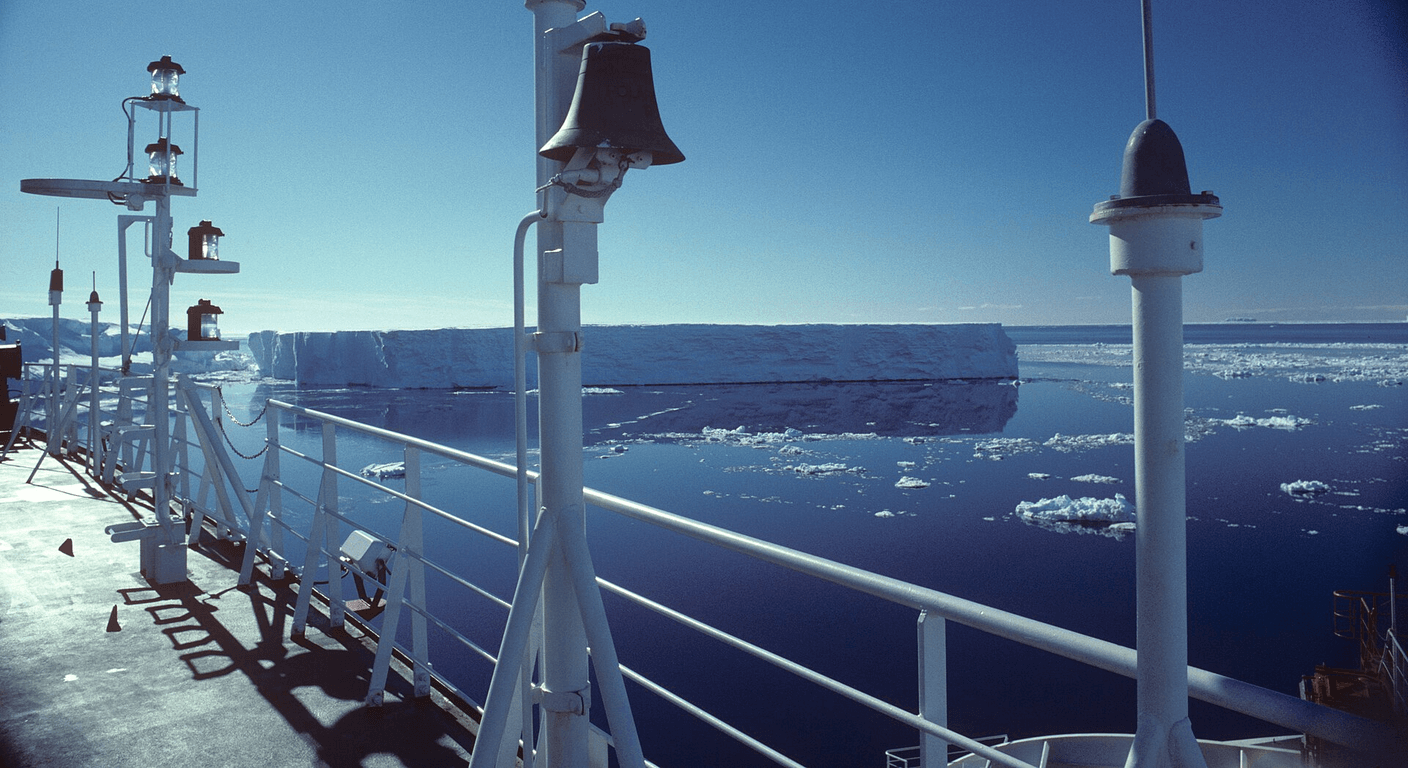
Antarctica expedition cruising draws a growing number of Australians over 60, and for good reason — small ships, extraordinary wildlife, and a journey unlike anything else on the planet. But this is not a typical cruise, and the physical and logistical realities deserve honest attention before you commit. This guide covers what to genuinely expect, from the Drake Passage to Zodiac landings, gear, costs, and how to choose an operator that suits your pace.
Why Antarctica appeals to travellers over 60 — and what makes it different
Antarctica is not a destination you stumble upon. It takes deliberate planning, a meaningful budget, and a genuine appetite for something outside the ordinary. For many Australians over 60, it represents a considered choice — the kind of journey you make when you know what you want from travel and are no longer interested in doing things by halves. The continent draws people who value wildlife, silence, and scale over poolside cocktails and port shopping.
What separates an expedition cruise from an ocean cruise is the structure of the experience itself. On an expedition vessel, the ship is a base, not the destination. You go ashore — often twice a day — by inflatable Zodiac boats, landing on beaches shared with penguin colonies, beside glacier faces, or at historic huts from the Heroic Age of exploration. The ship is small, the group is intimate, and the naturalist guides are genuinely expert. It is immersive in a way that larger cruise ships cannot replicate.
The traveller who thrives here tends to be curious, reasonably active, comfortable with unpredictability, and at peace with the fact that Antarctica operates on its own schedule. Weather can cancel a landing. The Drake Passage can be rough. Your plans will flex. That is part of the contract, and most people who have done it say it is absolutely worth it — but it pays to know that going in.
The Drake Passage: what the crossing is really like
The Drake Passage — the body of water between the tip of South America and the Antarctic Peninsula — has a reputation that precedes it. It is one of the most open stretches of ocean on Earth, and swells of three to five metres are not unusual. A crossing typically takes around two days each way from Ushuaia in Argentina, the most common departure point for Australian travellers routing via Buenos Aires. Some voyages now offer the option of flying one or both legs of the Drake crossing, which shortens the sailing time significantly and is worth considering if rough water is a concern.
Seasickness is real and worth preparing for. Many experienced expedition travellers — including people who have never had trouble at sea before — find the Drake challenging. The good news is that it is manageable with preparation. Speak to your GP well before departure about prescription options such as scopolamine patches. Over-the-counter products like Kwells (hyoscine) or non-drowsy alternatives are also widely used. The ship's doctor can advise and assist on board. Ginger tablets, acupressure bands, and keeping your eyes on the horizon all help. The key is not to be caught off guard.
The crossing itself is also genuinely exciting. Albatrosses follow the ship, cape petrels skim the waves, and the first iceberg sighting tends to stop everyone mid-conversation. The onboard naturalists run lectures and briefings during the crossing, so the two days are never empty. By the time you arrive at the Peninsula, most people have found their sea legs and the motion settles considerably in the more sheltered waters around the islands.
Zodiac landings: what fitness and mobility do you actually need?
This is the question that matters most for travellers over 60, and it deserves a straight answer. Zodiac landings require you to step from a moving inflatable boat onto a rocky or icy beach, sometimes in light swell. You will be wearing rubber boots (usually provided or hired through the operator), and expedition staff will be in the water to assist. The step itself is not enormous, but it requires reasonable balance, the ability to stand from a seated position without full upper-body support, and confidence on uneven ground.
Once ashore, walks range from flat beach strolls among penguin colonies — which are genuinely manageable for most active older travellers — to optional hikes on steeper terrain. Nothing is compulsory. Operators are experienced at accommodating different fitness levels, and it is entirely legitimate to walk a short distance, sit with the penguins, and return to the Zodiac ahead of others. Some landings are 'wet landings', meaning you wade through shallow water to reach the beach. Others are 'dry landings' onto a dock or stable platform.
If you use a walking stick or have moderate mobility limitations, speak directly with the operator before booking. Some ships have better accessibility infrastructure than others, and expedition staff-to-passenger ratios (often around 1:8 on quality operators) make a real difference to how much individual support is available. Do not assume your level of mobility is automatically accommodated — ask specifically, describe your situation honestly, and get a clear answer in writing. Operators who are good at this will welcome the question rather than brush it aside.
Small-ship comfort: what life on board is actually like
Expedition vessels carry anywhere from around 50 to 200 passengers, with the smaller end of that range generally offering a more personal experience. The ships are purpose-built for polar waters — reinforced hulls, stabilisers, and Zodiac launching platforms — but they are not floating resorts. Cabins are comfortable and functional rather than luxurious on most vessels, though the higher-end operators such as Ponant offer genuinely elegant interiors. Expect a proper bed, an en suite, storage for your gear, and a porthole or window. Suites and balcony cabins are available on some ships and cost considerably more.
Meals are communal and generally excellent — expedition operators understand that good food matters when you are spending days at sea. The dining room, lounge, and lecture theatre become social spaces, and the small passenger numbers mean you will know most people on board by the end of the voyage. For solo travellers, this intimacy is often one of the highlights: you are never eating alone in a corner, and conversations with fellow passengers and the science and naturalist team tend to be genuinely interesting.
The ship's doctor is a standard feature on reputable expedition vessels, and this matters for travellers over 60 with ongoing health considerations. Bring more than enough of any prescription medication, keep it in your carry-on luggage, and carry a written summary of your medical history and current medications. Antarctica is the most remote destination on Earth — the nearest hospital is days away — and travel insurance with medical evacuation cover is not optional.
The Antarctic season, gear, and how to pack sensibly
The Antarctic tourism season runs from November to March, aligned with the Southern Hemisphere summer. November and December offer the best wildlife spectacle — penguins are nesting, the light is extraordinary, and the sea ice is at its most dramatic. January and February are warmer and see the largest number of voyages. March brings calving ice and the first whale concentrations but also the earliest risk of deteriorating conditions. There is no single 'best' month — it depends on what you most want to see.
Layering is the foundation of Antarctic packing. You are not trying to stay warm in a blizzard; you are managing temperature swings between a heated ship interior, a Zodiac crossing in wind, and a beach landing in sunshine. A good waterproof and windproof outer shell is essential. Thermal base layers, mid-layer fleece, waterproof trousers, and insulated gloves are all necessary. Most operators provide a parka — confirm this with yours — and rubber boots are typically loaned or available for hire. Do not buy gear you do not already own without checking what the operator supplies.
Binoculars are worth every gram of their weight in your luggage. A pair with 8x42 or 10x42 magnification will transform every wildlife sighting. A camera with a decent zoom lens is similarly rewarding. Sunscreen and UV-protection sunglasses are non-negotiable — Antarctic light reflects off snow and water with intensity that catches people off guard. Lip balm, hand cream, and a small drybag for your camera during Zodiac rides round out the practical kit.
The cost reality: what Antarctica expedition cruising actually costs from Australia
Antarctica is an expensive destination, and it is worth being clear-eyed about the full cost before you start planning. The cruise itself — per person, in a shared twin or double cabin — typically ranges from around AUD $11,000 to $25,000 or more depending on the operator, ship, cabin category, and voyage length. Shorter itineraries of around ten to twelve days focusing on the Antarctic Peninsula are at the lower end. Longer voyages that include South Georgia and the Falkland Islands are significantly more expensive but are widely regarded as the most rewarding.
International flights from Melbourne or Sydney to Buenos Aires or Ushuaia add roughly AUD $2,000–$4,000 or more per person for return economy, and business class is a reasonable consideration for a journey of this length. Pre- and post-cruise accommodation in Buenos Aires — most travellers build in at least two or three nights either side — adds further cost. Gear, travel insurance, gratuities (customary on expedition ships, typically around USD $15–$20 per person per day as a guide), and any optional excursions at the departure port all contribute to the final figure. A realistic total budget for a couple travelling from Victoria, including flights, is often in the range of AUD $35,000–$60,000 depending on choices made. Confirm all current pricing directly with operators and airlines.
For solo travellers, the single supplement is a significant consideration. Most expedition operators charge a single supplement of 25–100% on top of the per-person twin-share rate, which can make an already expensive trip considerably more costly. Some operators offer a cabin-share programme that pairs solo travellers of the same gender, eliminating or reducing the supplement. Aurora Expeditions, as an Australian-owned operator, has historically offered solo-friendly options — check their current availability directly. It is worth asking every operator specifically about solo cabin options and waitlists for shared cabins.
Choosing an operator and getting travel insurance right
The operator you choose shapes everything about the experience. Look for membership of IAATO — the International Association of Antarctica Tour Operators — which sets environmental and safety standards for all legitimate expedition operators. Beyond that, the key variables are ship size (smaller generally means more landings and more personal attention), staff-to-passenger ratio, the quality and depth of the naturalist team, and the level of comfort aboard. Reading genuine traveller accounts — not just brochure copy — is worthwhile. Australian-owned Aurora Expeditions has a strong reputation and is familiar with the needs and expectations of Australian travellers.
Travel insurance for Antarctica requires specific attention. A standard travel insurance policy may not cover expedition cruising, medical evacuation from a polar region, or trip cancellation due to weather. You need a policy that explicitly covers expedition cruise travel, includes medical evacuation with no geographic exclusions, and has a high enough medical limit — at least AUD $5 million is commonly recommended for this type of travel. Declare all pre-existing medical conditions fully and honestly. Failure to do so can void a claim at precisely the moment you need it most.
Book through a specialist rather than a general travel agent if possible. Operators like Chimu Adventures, based in Australia, focus exclusively on expedition and adventure travel and can navigate the nuances of Antarctic voyage booking — including comparing itineraries, advising on single supplements, and flagging which ships have better accessibility. The booking process itself typically involves a deposit well in advance, with the balance due some months before departure. Cancellation terms vary significantly between operators, so read them carefully before you commit.
Key takeaways
- Antarctica expedition cruising is genuinely manageable for active Australians over 60, but the Drake Passage crossing and Zodiac landings require honest self-assessment of fitness and balance.
- The Antarctic tourism season runs November to March; November and December offer peak wildlife activity including nesting penguins and dramatic sea ice.
- A realistic total budget for a couple travelling from Victoria — including flights, cruise, accommodation, and gear — often sits in the range of AUD $35,000–$60,000 depending on choices made.
- Solo travellers should ask every operator specifically about single-supplement rates and cabin-share programmes, as policies vary considerably between operators.
- Travel insurance for Antarctica must explicitly cover expedition cruising and polar medical evacuation — a standard policy is unlikely to be sufficient.
- IAATO membership is the baseline standard to look for when assessing any Antarctic expedition operator's credibility and environmental responsibility.
Where to look and book
Indicative prices only — always confirm with the operator before booking.
Frequently asked questions
How fit do you need to be to do an Antarctica expedition cruise over 60?
You need to be able to step in and out of a moving inflatable Zodiac boat onto uneven terrain, walk on rocky or icy beaches, and stand comfortably for periods of time in cold and sometimes windy conditions. You do not need to be athletic. Most landings have easy options suitable for travellers with moderate fitness. If you have specific mobility limitations, contact the operator directly before booking and describe your situation in detail to confirm what they can accommodate.
Is the Drake Passage as rough as people say?
It can be. Swells of three to five metres are common, and the crossing takes around two days each way from Ushuaia. Seasickness is a genuine possibility even for experienced sailors. Preparation helps significantly: speak to your GP about prescription options such as scopolamine patches, and have over-the-counter remedies on hand. Some voyages offer a fly-cruise option that bypasses the Drake entirely, which is worth considering if rough water is a concern.
What does an Antarctica expedition cruise cost from Australia?
The cruise itself typically ranges from around AUD $11,000 to $25,000 or more per person in a shared cabin, depending on the operator, ship, cabin category, and voyage length. Add international return flights from Melbourne or Sydney (roughly AUD $2,000–$4,000+ per person in economy), accommodation in Buenos Aires either side of the cruise, gear, travel insurance, and gratuities. A couple travelling from Victoria should plan for a realistic total in the range of AUD $35,000–$60,000. Confirm all current pricing directly with operators and airlines.
What travel insurance do you need for Antarctica?
You need a policy that explicitly covers expedition cruising in polar regions, includes medical evacuation with no geographic exclusions, and carries a high medical limit — at least AUD $5 million is commonly recommended. A standard travel insurance policy is unlikely to meet these requirements. Declare all pre-existing conditions in full, as failure to do so can void any subsequent claim. Speak to an insurance specialist with experience in expedition travel.
Are there solo cabin options on Antarctica expedition cruises?
Yes, but availability varies significantly between operators and voyages. Most operators charge a single supplement of 25–100% on top of the twin-share rate. Some offer cabin-share programmes that pair solo travellers of the same gender, which can reduce or eliminate the supplement. Australian-owned Aurora Expeditions has historically offered solo-friendly options. Ask each operator specifically about current solo availability and waitlists for shared cabins before comparing prices.
Got a tip, a price update or a story from this route? The community would love to hear it.
Share your views on our Facebook page— Seniors and Solo Traveller Stories
More cruises
Can You Cruise Round Australia and the South Pacific Without Boarding a Plane?
Princess Cruises sails from Australian ports including Melbourne and Sydney, which means over-60s in Victoria can join…
Cruising from Melbourne and Sydney: A Couple's Honest Guide to Sailing After 60
Ocean cruises departing Australian ports remain one of the easiest ways for over-60 travellers to see new places witho…
Is a Coral Expeditions Kimberley Cruise the Right Pace for Over-60 Travellers?
Coral Expeditions runs small-ship expedition cruises along Western Australia's Kimberley coast, carrying far fewer pas…