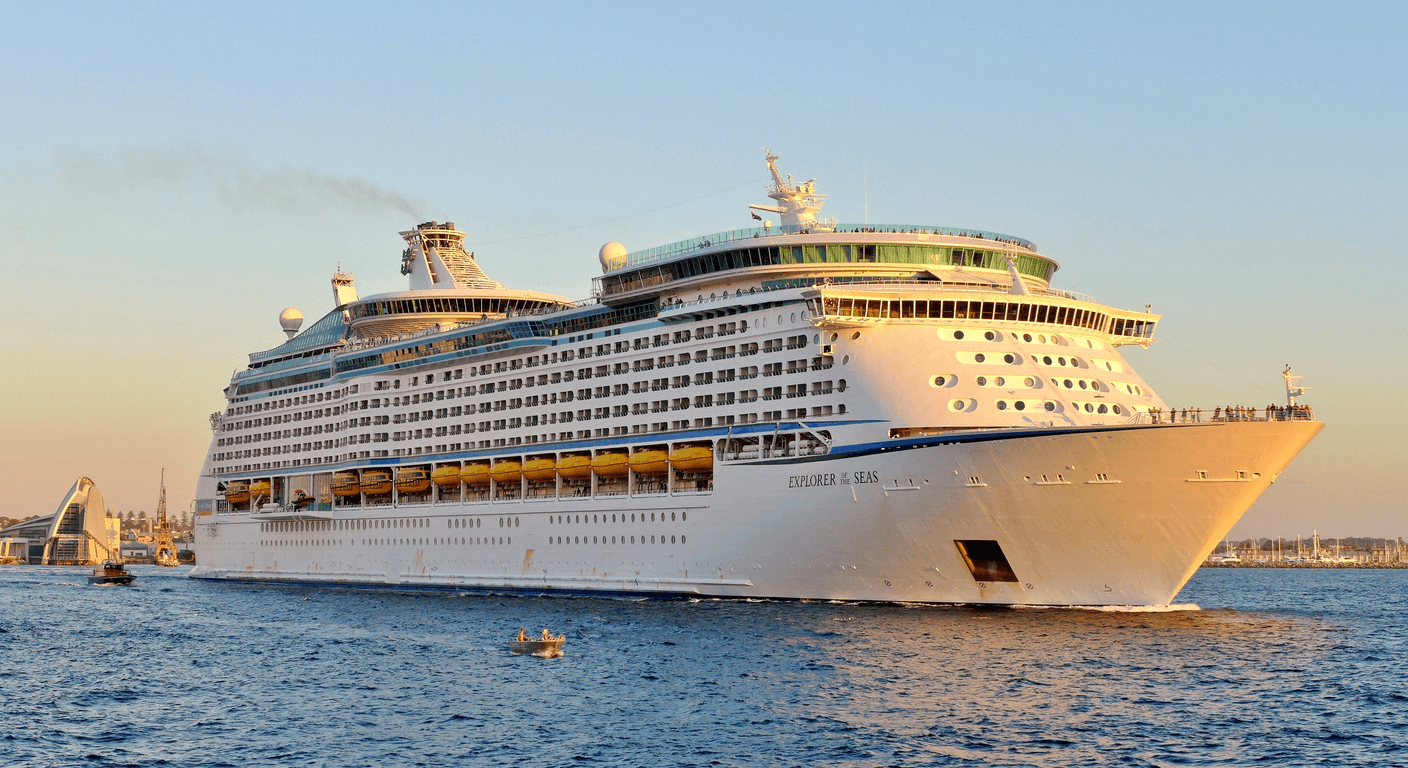
For Australian travellers over 60 who would rather skip the airport entirely, round-trip cruises departing from Sydney, Melbourne, Brisbane, and Fremantle open up South Pacific islands, New Zealand, Tasmania, the Kimberley, and beyond without a single boarding pass. This guide covers the cruise lines sailing from Australian home ports, what each style of itinerary delivers, how the costs stack up, and the practical considerations that matter most when you are travelling solo or simply value your energy. It is written for the traveller who wants honest information, not a brochure.
Why no-fly cruising suits the over-60s traveller
The appeal is straightforward: you drive or take a train to the terminal, walk up the gangway, and by evening you are at sea with your luggage already in your cabin. There is no transit lounge, no jet lag, no connecting flight, and no compression socks required. For a traveller in their late sixties, that reduction in pre-trip fatigue is worth more than any airport lounge membership.
The financial case is also real. A long-haul return flight to a European or North American embarkation port can add $3,000 to $6,000 or more to the cost of a cruise, depending on the class and season. Choosing a round-trip departure from Sydney or Fremantle removes that entirely. It also simplifies travel insurance, since you are not combining a cruise with an international flight itinerary — though comprehensive cruise-specific insurance remains essential regardless.
There is a practical accessibility point too. International airports and long-haul connections involve a great deal of walking, queuing, and seat-based discomfort that a direct transfer to a local cruise terminal avoids. Most Australian cruise terminals — particularly the Overseas Passenger Terminal in Sydney and Fremantle's passenger terminal — are relatively compact and manageable, though it is worth confirming accessibility requirements with the terminal and your cruise line in advance.
Which cruise lines depart from Australian home ports?
Princess Cruises is the most established international line operating from Australian ports, running ships from Sydney and Brisbane on South Pacific, New Zealand, and Tasmania itineraries throughout the Australian summer season (roughly October to April). Their ships are mid-to-large in size, well-suited to first-time cruisers, and carry a strong contingent of Australian passengers — which means the tone on board is familiar and the time zone stays constant for much of the voyage.
Carnival Cruise Line now operates what was previously P&O Cruises Australia, maintaining departures from Sydney, Brisbane, and Melbourne on shorter Pacific and New Zealand runs. These itineraries tend to be more casual in style and are competitively priced, making them a reasonable entry point if you are testing whether cruising suits you. Royal Caribbean and Celebrity Cruises also position ships in Australia seasonally, typically operating from Sydney on New Zealand and Pacific routes.
For small-ship and expedition-style travel, Coral Expeditions is the standout Australian operator, running purpose-built vessels along the Kimberley coast, around Tasmania, and through the Great Barrier Reef and Coral Sea. Ponant, the French expedition line, also operates Kimberley voyages departing from Broome (close to Fremantle for travel purposes). These are premium products at a different price point, but they offer a style of travel — slow, naturalist-guided, intimate — that suits many travellers over 60 very well.
What itineraries can you do without flying?
South Pacific island-hopping is the classic Australian cruise itinerary. Typical ports include Noumea (New Caledonia), Mystery Island (Vanuatu), Lifou, Port Vila, and occasionally Fiji's Lautoka or Suva. These voyages run 10 to 14 nights and depart from Sydney or Brisbane between October and April. The pace is relaxed — one or two sea days between port calls — and the destinations are warm, relatively flat near the waterfront, and well-geared to cruise passengers. Accessibility on tender ports (where you board a small boat to reach shore) is worth checking if mobility is a consideration.
New Zealand round trips are arguably the most rewarding itinerary available from Australian ports. A typical sailing of 12 to 16 nights from Sydney or Brisbane calls at Auckland, Tauranga (Bay of Plenty), Wellington, Picton or the Marlborough Sounds, Dunedin, and sometimes Milford Sound or Doubtful Sound. The scenery in the South Island sounds is among the most impressive in the Southern Hemisphere, and the ports are well-organised for independent exploration. Autumn (March to May) is a particularly good time, with golden light and smaller crowds.
Tasmania round trips from Melbourne or Sydney suit the traveller who wants to explore Australian coastal scenery, wilderness, and food culture without leaving the country. Hobart's Macquarie Wharf is central to the city, and a sea day rounding the south of the island can deliver dramatic coastal scenery. The Kimberley — accessed via Broome — is in a different category: a remote, expedition-style experience through ancient gorges, waterfalls, and Aboriginal cultural country that runs during the dry season (roughly May to September). This is physically active travel and not suited to those with significant mobility limitations, but for the fit and curious over-60 traveller it is one of Australia's great journeys.
When is the right time to cruise from Australia?
Australian cruise season broadly runs from October through April, which aligns with the Southern Hemisphere summer. This is when the South Pacific and New Zealand itineraries operate most frequently, and when the weather in those destinations is most settled. Sydney and Brisbane departures peak in this window. Travelling in the shoulder months of October-November or March-April generally means smaller passenger loads and slightly softer pricing, though you should confirm this with your travel agent or the cruise line directly.
The Kimberley season is the inverse: the dry season from May to September is when this remote coastline is navigable and accessible. Temperatures are warm to hot (30-38 degrees in the Kimberley) but the humidity is manageable compared to the wet season. For a Victorian-based traveller, this window coincides with Melbourne's cooler months, which makes the warmth of the north feel like a genuine seasonal escape.
Tasmania voyages can operate year-round but are most popular in summer when Hobart's long days and MONA are at their most animated. Winter sailings do operate and offer a quieter, more introspective experience — appropriate for a traveller who is comfortable with the possibility of rougher seas in the Southern Ocean.
Costs, cabins, and the solo supplement — what to expect
Cruise pricing is genuinely variable and promotional, so any figure here should be treated as indicative only — always confirm current fares with the operator or a cruise-specialist travel agent. As a rough orientation: an inside cabin on a 12-night South Pacific sailing from Sydney might be priced from around $150 to $200 per person per night in the low season, while a balcony cabin on the same voyage could run $250 to $400 or more per person per night. New Zealand itineraries on larger ships tend to sit at the upper end of that range. Small-ship expedition voyages are a premium category and should be budgeted at a significantly higher per-night rate — confirm directly with Coral Expeditions or Ponant.
The solo supplement is the single most frustrating cost in cruising for the solo traveller. Most cruise lines charge solo passengers between 150% and 200% of the per-person twin-share fare if they occupy a double cabin alone, which effectively means paying for two people. Some lines periodically offer reduced or waived solo supplements on selected sailings — Princess Cruises and Carnival/P&O Australia have done this at various times — and a small number of ships carry purpose-built single cabins, though these are rare on Australian-market ships. A cruise-specialist travel agent who works with solo travellers is worth consulting, as they track these offers and know which sailings offer the best value for solo bookings.
On-board costs beyond the fare itself include gratuities (often charged as a daily service fee of around $15-$20 per person per day, though this varies by line and is sometimes included in promotional fares), drinks packages, shore excursions, specialty dining, and Wi-Fi. It is straightforward to manage on-board spending conservatively — the main dining room and included entertainment are genuinely good on most ships — but it is worth budgeting an additional $50-$100 per day for incidentals if you want flexibility.
Sea days, pacing, and what no one tells you before you book
Sea days — full days at sea with no port call — are a feature of longer itineraries and are worth thinking about honestly before you book. A 14-night New Zealand voyage might include three or four sea days. For many travellers over 60 they are the best part: reading on the balcony, attending a lecture, using the pool when it is quiet, having a long lunch. For others, particularly those who are used to high activity, they can feel slow. It is worth reading a sample itinerary day-by-day before committing, and choosing a ship with a library, enrichment programme, or naturalist lectures if intellectual engagement matters to you.
Motion sickness is a real consideration for the Bass Strait crossing (Melbourne to Tasmania) and for the Tasman Sea on New Zealand sailings. These bodies of water can be rough, particularly in winter. Modern ships have stabilisers that reduce rolling significantly, but they do not eliminate it. Speaking to your GP about motion sickness management before you travel is sensible, and choosing a mid-ship cabin on a lower deck reduces motion if this is a concern.
Booking lead time matters more than many first-time cruisers realise. On popular Australian-market sailings — particularly New Zealand voyages in March and April, or Kimberley expeditions in June and July — the best cabin categories and single-cabin allocations (where they exist) can sell out 12 to 18 months in advance. Booking early also gives you access to early-bird pricing on many lines. That said, last-minute deals do appear, particularly on shorter Pacific sailings, if flexibility is your priority.
Travel insurance for Australian cruise travellers over 60
Standard domestic travel insurance does not cover cruising adequately. You need a policy that specifically includes cruise cover — this typically adds cover for on-board medical treatment (including evacuation to a shoreside hospital), missed port departures, and cabin confinement due to illness. For travellers over 60, and particularly those with pre-existing medical conditions, it is essential to declare all conditions honestly at the time of purchase. Failure to do so can void a claim entirely.
Medical evacuation from a ship at sea or from a remote location such as the Kimberley can cost tens of thousands of dollars without adequate cover. The Australian Government's Smartraveller website (smartraveller.gov.au) is a useful reference for understanding what Medicare does and does not cover at sea and in overseas ports. Even for a New Zealand sailing — where reciprocal health arrangements exist — dedicated cruise travel insurance is strongly recommended.
Several Australian insurers offer cruise-specific policies, and some cruise lines sell their own insurance products. Comparing policies independently through a specialist travel insurance broker or comparison platform is advisable. Look at the medical evacuation limit, the pre-existing condition terms, and the trip cancellation cover carefully. For a solo traveller, cancellation cover is particularly important, as there is no travel companion to share the financial risk of a disrupted trip.
Key takeaways
- Round-trip cruises from Sydney, Melbourne, Brisbane, and Fremantle let Australian travellers over 60 reach the South Pacific, New Zealand, Tasmania, and the Kimberley without setting foot in an airport.
- The solo supplement — typically 150% to 200% of the twin-share fare — is the biggest cost variable for solo cruisers, and monitoring lines that periodically waive it is worth the effort.
- Princess Cruises, Carnival Cruise Line, Royal Caribbean, Coral Expeditions, and Ponant all operate from Australian home ports; each suits a different budget, travel style, and itinerary preference.
- Sea days are a genuine feature of longer itineraries — choosing a ship with enrichment programmes, a library, or naturalist lectures makes them an asset rather than a gap.
- Comprehensive cruise-specific travel insurance with high medical evacuation limits and declared pre-existing condition cover is non-negotiable for Australian travellers over 60.
- Booking 12 to 18 months ahead secures the best cabin categories and early-bird pricing on popular New Zealand and Kimberley sailings; last-minute deals exist but carry less certainty.
Where to look and book
Indicative prices only — always confirm with the operator before booking.
Frequently asked questions
Which Australian ports can you cruise from without flying?
Round-trip cruises depart from Sydney (the main hub), Brisbane, Melbourne, and Fremantle (Perth). Sydney offers the widest range of itineraries and departures, particularly for South Pacific and New Zealand voyages. Fremantle is the practical gateway for Kimberley expedition cruises, which typically depart from Broome — a short domestic flight from Perth, though some travellers choose to travel overland.
How much does a no-fly cruise from Australia cost for a solo traveller over 60?
Costs vary widely by line, cabin type, itinerary, and season. As an indicative guide only, a solo traveller paying the standard single supplement on a 12-night South Pacific voyage might budget from roughly $4,000 to $8,000 or more all-in, depending on the cabin grade and whether the line is running a reduced solo supplement promotion. Expedition and small-ship cruises carry significantly higher per-night rates. Always confirm current fares directly with the operator or a cruise-specialist travel agent.
What is the best time of year for a no-fly cruise from Australia?
South Pacific and New Zealand itineraries run from October to April, with the shoulder months of October-November and March-April generally offering quieter ships and softer pricing. The Kimberley expedition season runs from May to September during the dry season. Tasmania can be cruised year-round, though summer (December to February) offers the longest days and most active atmosphere in Hobart.
Do I need special travel insurance for a cruise from an Australian port?
Yes. Standard travel insurance is insufficient for cruising. You need a policy that explicitly includes cruise cover: on-board medical treatment, medical evacuation, missed port departures, and cabin confinement. Pre-existing medical conditions must be declared honestly at purchase. Medical evacuation from a ship or remote coastal location can cost tens of thousands of dollars without adequate cover. The Australian Government's Smartraveller website at smartraveller.gov.au provides useful guidance on what is and is not covered by Medicare at sea.
Are there single cabins available on Australian cruise ships?
Purpose-built single cabins exist on some ships operating in the Australian market, but they are not common and allocations are limited. Most solo travellers pay a single supplement to occupy a standard double cabin alone. Some cruise lines — including Princess Cruises and Carnival — periodically offer reduced or waived solo supplements on selected sailings. A cruise-specialist travel agent who focuses on solo travellers is the most reliable way to track these offers.
Got a tip, a price update or a story from this route? The community would love to hear it.
Share your views on our Facebook page— Seniors and Solo Traveller Stories
- Princess Cruises Australia — Australian departures and itineraries
- Carnival Cruise Line Australia — home port sailings
- Coral Expeditions — small-ship Australian coastal and Kimberley cruises
- Ponant — Kimberley and expedition cruises departing Australia
- Smartraveller — Australian Government travel insurance and cruise advice
- Tourism Australia — cruise travel information
More cruises
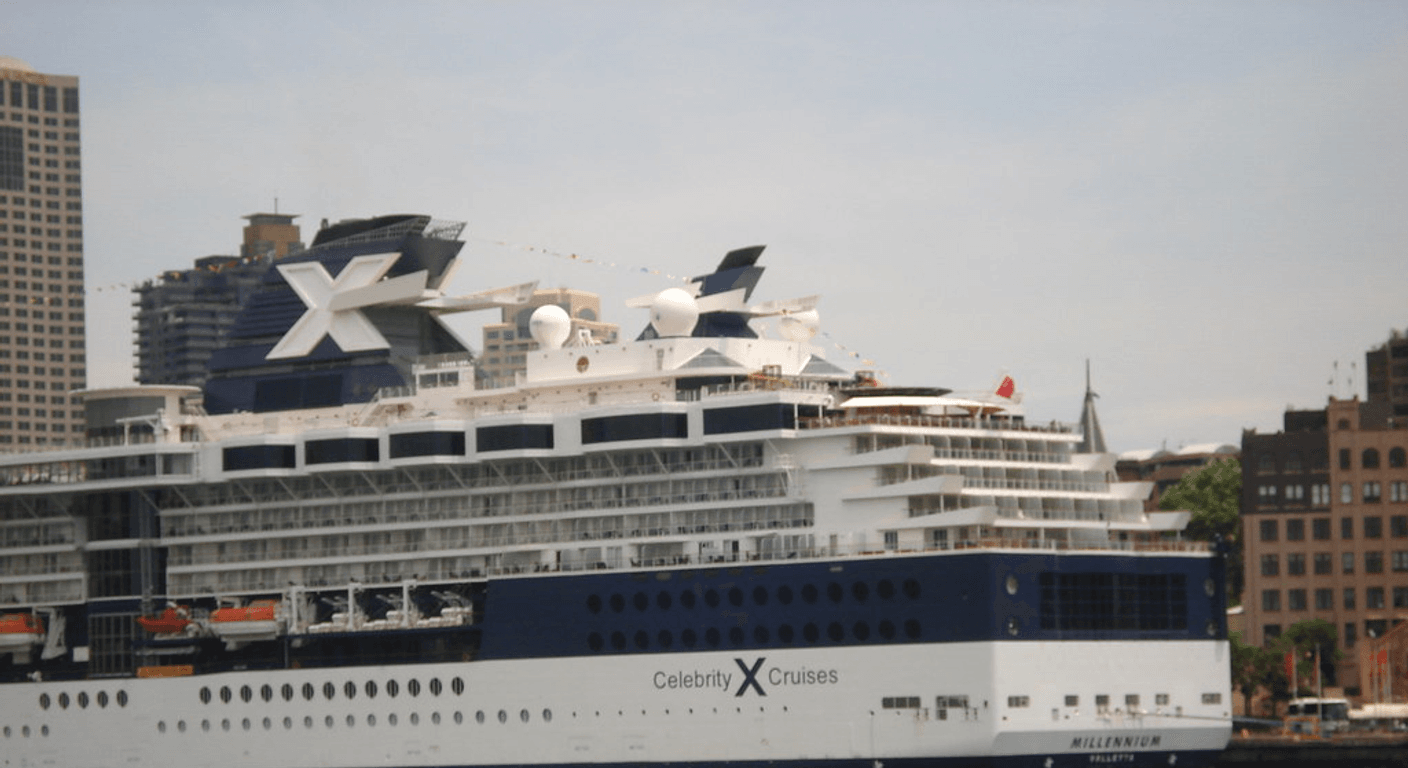
Can You Cruise Round Australia and the South Pacific Without Boarding a Plane?
Princess Cruises sails from Australian ports including Melbourne and Sydney, which means over-60s in Victoria can join…
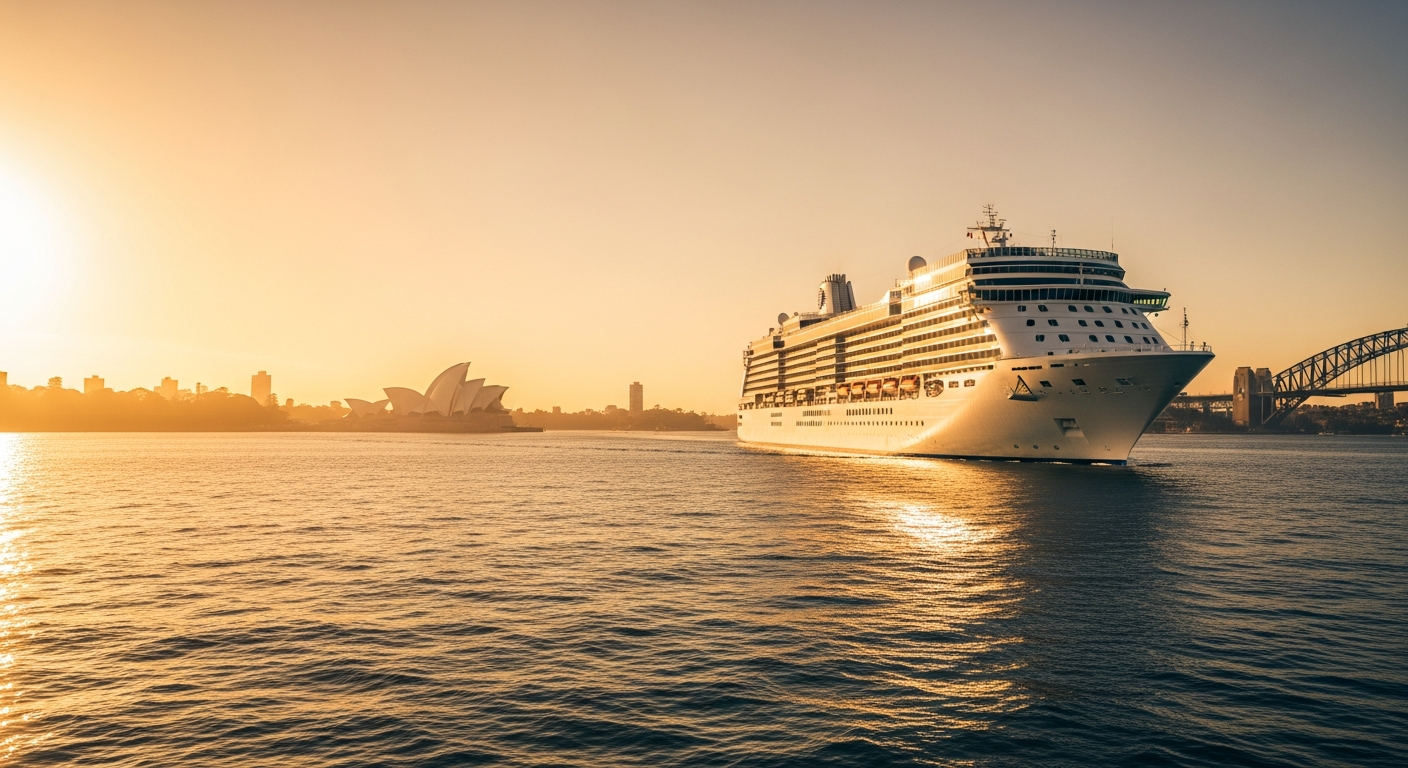
Cruising from Melbourne and Sydney: A Couple's Honest Guide to Sailing After 60
Ocean cruises departing Australian ports remain one of the easiest ways for over-60 travellers to see new places witho…
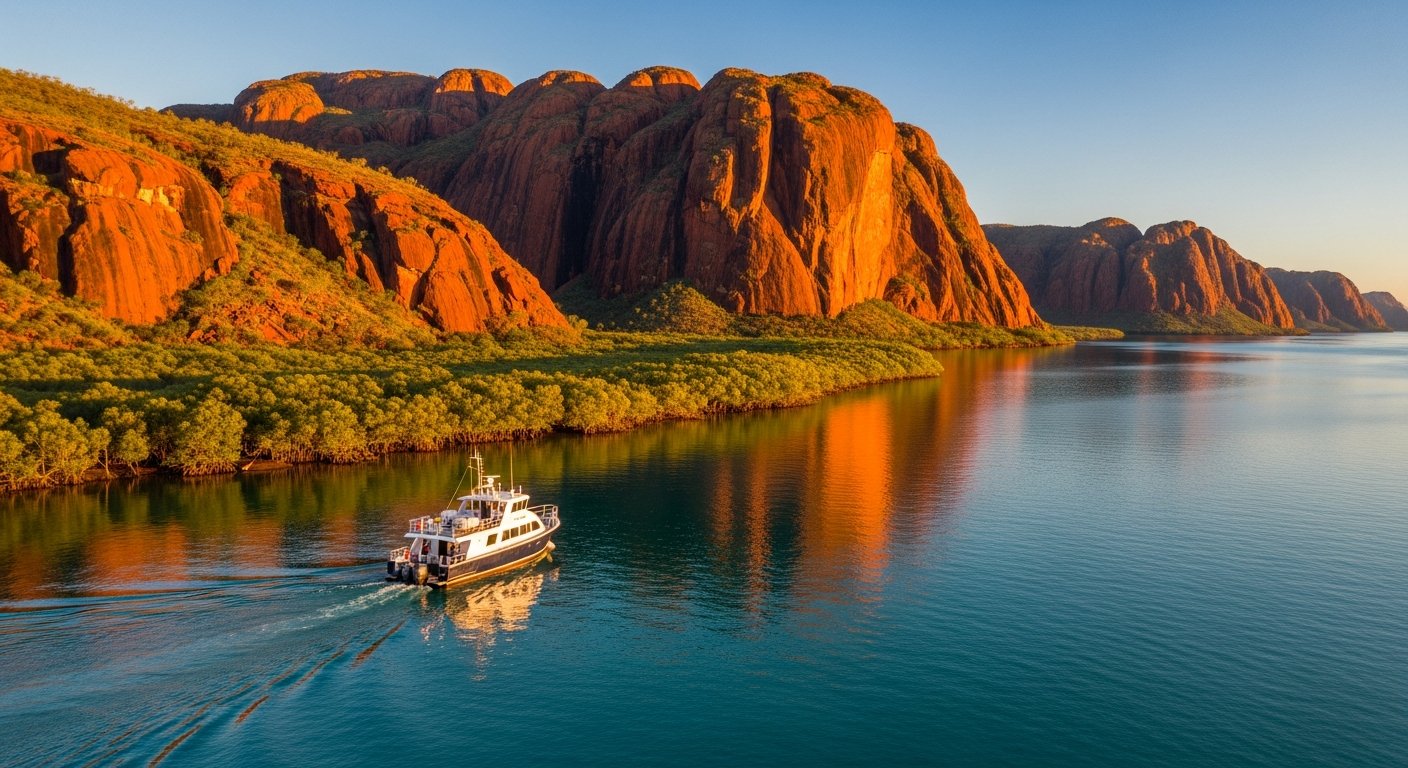
Is a Coral Expeditions Kimberley Cruise the Right Pace for Over-60 Travellers?
Coral Expeditions runs small-ship expedition cruises along Western Australia's Kimberley coast, carrying far fewer pas…