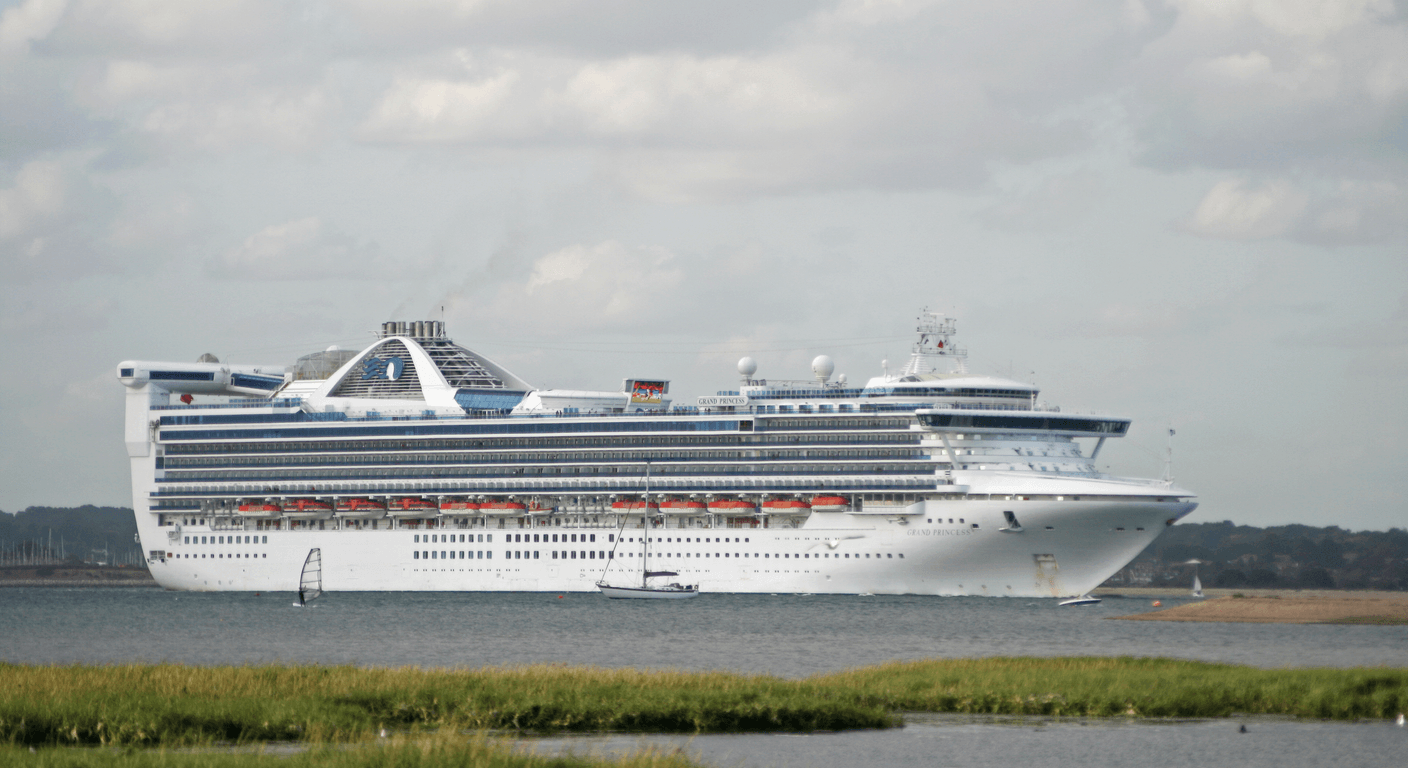
Cruising from Australian ports has become one of the most popular ways for travellers over 60 to see the world, and for good reason — you unpack once, the scenery changes daily, and most meals and entertainment are covered in the one fare. This plain guide walks first-timers through everything from choosing a cabin to managing onboard spending, with honest notes on what cruising actually costs and where the upselling happens.
Why cruising suits travellers over 60 — and what to expect on your first voyage
The single biggest appeal of cruising for older travellers is simplicity: you settle into your cabin on day one and the world arrives at your porthole. No dragging luggage between hotels, no navigating foreign train stations in the dark, no renegotiating your accommodation every few nights. For a group of friends travelling together, that ease is genuinely valuable — everyone stays in the same floating building and meets for dinner without coordinating across three different postcodes.
Modern cruise ships are essentially self-contained towns. A mid-size ocean ship might carry 2,000 to 4,000 passengers and offer a dozen restaurants, live entertainment, a spa, a pool deck, a library, a medical centre, and daily activities from dance classes to cooking demonstrations. Smaller expedition ships — often 100 to 300 passengers — trade some of that variety for closer access to places like the Kimberley coast, Antarctica, or the Pacific Islands. River ships sit somewhere in between: intimate, unhurried, and particularly well-suited to travellers who prefer landscapes over nightclubs.
What cruising is not is entirely stress-free. The ship runs to a schedule, ports can be skipped due to weather, and the onboard environment — particularly on large resort-style ships — can feel busy and commercially driven. Going in with clear expectations makes the experience far more enjoyable than arriving expecting a floating boutique hotel.
What does a cruise fare actually include — and what costs extra?
Most standard ocean cruise fares include your cabin, main dining room meals (breakfast, lunch and dinner), buffet access, most onboard entertainment (theatre shows, deck events, lectures), and basic non-alcoholic beverages like water, coffee and tea in the dining room. That is a reasonable amount of value baked into the base price, which is why comparing cruise fares to hotel-only costs can be misleading — you are also buying meals and entertainment.
What is typically not included, and where first-timers are often surprised, is a long list of extras. Alcoholic drinks, specialty coffees and soft drinks outside meals are charged separately unless you purchase a drinks package. Specialty restaurants — the steakhouse, the sushi bar, the chef's table — carry a surcharge on top of your fare, ranging indicatively from around $30 to $90 per person per meal depending on the line. Spa treatments, shore excursions booked through the ship, internet packages, photos taken by ship photographers, and items from the onboard shops all add to your account. Confirm the current inclusions for any fare you are considering, as these change between lines and even between promotions on the same line.
Gratuities — sometimes called a service charge or crew appreciation — are standard practice on most international cruise lines and are either automatically added to your onboard account daily or baked into the fare upfront. Indicatively, these run around $18 to $25 AUD per person per day on many lines, though this varies and you should confirm before booking. Some Australian-focused departures, particularly on lines like P&O Australia, have moved toward inclusive tipping policies — worth checking specifically. Knowing about gratuities before you board means no unpleasant surprises when you review your final account on the last night.
Drinks packages, specialty dining and onboard spending: how to budget honestly
Drinks packages are heavily marketed by cruise lines and can feel like a logical purchase — pay one daily rate and drink freely. Whether they represent value depends entirely on how much you actually drink. A typical package covering alcohol, specialty coffee and soft drinks might cost indicatively around $80 to $130 AUD per person per day. If you enjoy two or three glasses of wine at dinner and a coffee in the morning, you may well come out ahead. If you are happy with water and the included dining-room coffee, the package is unlikely to pay off. Some lines require both people in a cabin to purchase the same package, which changes the calculation for a couple where one person barely drinks.
A practical approach for a first cruise is to track your spending for the first two or three days without a package, then decide. Many lines allow you to purchase mid-cruise. Alternatively, some sailings out of Australian ports allow you to bring a limited amount of wine aboard — check the specific line's policy before you pack a bottle.
Set a daily onboard budget before you sail — a figure like $50 to $100 per person per day for drinks, excursions, and incidentals is a reasonable starting point for a group trip, though your actual spending will depend on your choices. Your cabin key card functions as your onboard credit card, which makes it easy to spend without noticing. Checking your account on the ship's TV system or app every couple of days keeps things honest.
Choosing the right cabin: inside, oceanview, balcony or suite?
Cabins are sold in four broad categories: inside (no window), oceanview (a fixed window), balcony (private outdoor space), and suite (larger, with premium amenities). For a first cruise, the most common question is whether a balcony is worth the extra cost. On a scenic itinerary — the Norwegian fjords, the Kimberley, a Pacific island run — having your own outdoor space to watch the world go by is genuinely pleasant and many travellers over 60 say it was the best money they spent. On a short cruise where you are mostly off the ship during the day, an inside cabin may serve you perfectly well and save a meaningful amount.
Inside cabins are smaller than most hotel rooms and have no natural light, which some people find disorienting. If you are a light sleeper, they do block out all daylight, which can help. Oceanview cabins give you a sense of the sea without the outdoor access. Balcony cabins on most modern ships are compact — a small table, two chairs, and enough room to stand — but functional. For a friends group, connecting cabins or cabins on the same corridor make logistics easier; ask specifically when booking.
Cabin location on the ship matters more than many first-timers realise, particularly for motion sensitivity. Cabins on lower decks and midship (the middle of the ship lengthwise) experience less movement than those at the bow, stern, or on high decks. If you are at all concerned about sea-sickness, request a midship, lower-deck cabin when booking and note it in your reservation. Accessibility is also worth discussing directly with the cruise line if you have mobility considerations — accessible cabins with wider doors, roll-in showers and grab rails exist on most modern ships but must be reserved in advance.
Managing sea-sickness and pacing yourself at sea
Sea-sickness is a genuine concern for many first-timers and it is worth taking seriously rather than hoping for the best. The good news is that large modern ships are stabilised and most itineraries from Australian ports — particularly the Pacific Islands routes and coastal cruises — spend significant time in relatively calm waters. Open ocean crossings, Southern Ocean expeditions, and some Tasmanian sailings can be rougher, and it is worth knowing what kind of sea conditions your itinerary involves.
Over-the-counter medications like dimenhydrinate (Dramamine) and meclizine (Bonine) are widely used and effective for many people. Scopolamine patches, available on prescription in Australia, are considered more reliable for extended rough weather. Acupressure wristbands have variable evidence but are harmless to try. If you are prone to motion sickness on long car trips or small boats, speak to your GP before you sail rather than leaving it to chance. Once aboard, staying on deck in fresh air and fixing your gaze on the horizon helps considerably — the worst thing you can do is retreat to a small inside cabin and lie down staring at the ceiling.
Pacing is a separate matter from sea-sickness and applies to the whole cruise. The daily program on a large ship can feel relentless — trivia at 10am, a cooking demonstration at 11, lunch, a shore excursion, afternoon tea, pre-dinner drinks, dinner, a show. You are not obliged to attend any of it. One of the real pleasures of a cruise for many travellers over 60 is simply sitting on a balcony with a book while the coast goes by. Give yourself permission to do nothing on sea days.
Shore excursions: booking through the ship versus going independently
Shore excursions are the activities and tours you do when the ship docks at a port. The cruise line will offer a curated program — bus tours, walking tours, snorkelling trips, cultural visits — bookable through the ship's system before or during the voyage. These are convenient and carry the reassurance that if the excursion runs late, the ship will wait for you. They are also, almost universally, more expensive than booking the same or similar experience independently. Indicatively, a ship-organised half-day bus tour might cost $80 to $150 AUD per person where a local operator at the dock charges $40 to $70 for a comparable experience.
For a first-time cruiser, particularly in less familiar destinations, the ship's excursions offer genuine peace of mind and that has real value. As you become more comfortable with how ports work — how much time you have, how far the town is from the dock, how easy it is to get around — you may find you prefer to explore independently or arrange tours directly with local operators. Research ports in advance using destination tourism websites and travel forums, and always be back at the ship at least 30 minutes before the stated all-aboard time.
Some ports are tendered — meaning the ship anchors offshore and passengers are ferried to land by smaller boats. This process takes longer, involves getting in and out of a small boat, and can be cancelled entirely in rough weather. Check your itinerary for tendered ports and factor in the extra time and physical demand. For travellers with mobility limitations, tendered ports can sometimes be skipped in favour of staying aboard — the ship's accessibility team can advise.
Cruising with friends, the single supplement, and booking your first voyage
Cruising with a group of friends works particularly well because the structure of the ship keeps everyone together without requiring constant coordination. You can spend the morning apart — one friend at the pool, another at a lecture, another sleeping in — and reconvene for lunch or dinner without anyone having to negotiate. Booking as a group of four or more sometimes attracts a group rate or onboard credit, so it is worth asking the cruise line or a travel agent directly.
The single supplement is a persistent frustration for solo travellers. Most cruise cabin pricing is based on two people sharing, and a solo traveller in a standard cabin typically pays between 50 and 100 per cent extra — the so-called single supplement — to cover the full cabin cost. Some lines offer single-specific cabins at lower supplements, particularly on newer ships, and occasional promotions reduce or waive the supplement entirely. For a friends group where everyone has a travel partner, this is less relevant, but if one person in your group is travelling solo, factor this into the overall budget conversation early. Websites like cruise.com.au and direct contact with cruise lines can help identify which sailings have reduced single supplements.
Booking your first cruise can be done directly with the cruise line online, through a cruise-specialist travel agent, or through an aggregator like cruise.com.au. For a first voyage, many travellers over 60 find working with an experienced Australian cruise travel agent worthwhile — a good agent will ask about your mobility needs, preferences and budget, flag the real costs, and advocate for you if something goes wrong. Travel insurance is non-negotiable for any cruise, and especially so for travellers over 60. Standard domestic travel insurance policies often exclude or limit cruise cover — look specifically for a policy that includes cruise-specific cover: cabin confinement, missed port, and emergency medical evacuation at sea, which can be extremely expensive without cover. Compare policies through an Australian comparison site and read the product disclosure statement carefully before purchasing.
Key takeaways
- A standard cruise fare covers your cabin, main meals and most entertainment — but drinks, specialty restaurants, shore excursions and gratuities are typically extra.
- Gratuities on most international cruise lines run indicatively around $18 to $25 AUD per person per day and are added automatically to your onboard account — confirm the policy before you book.
- Midship, lower-deck cabins experience the least motion and are worth requesting if you have any concern about sea-sickness.
- Ship-organised shore excursions offer convenience and peace of mind but are generally more expensive than arranging equivalent tours independently at the port.
- Solo travellers in a friends group should budget for the single supplement, which can add 50 to 100 per cent to the cabin fare — ask specifically about sailings with reduced supplements.
- Standard travel insurance often does not adequately cover cruises — look for a policy with explicit cruise cover including emergency medical evacuation at sea before you book anything.
Where to look and book
Indicative prices only — always confirm with the operator before booking.
Frequently asked questions
What is included in a cruise fare from Australia?
Most standard cruise fares include your cabin accommodation, meals in the main dining room and buffet, and most onboard entertainment such as theatre shows and deck activities. Alcoholic drinks, specialty restaurant surcharges, shore excursions, internet, spa treatments and gratuities are typically charged separately unless a specific all-inclusive fare is advertised. Always confirm the exact inclusions with the cruise line or your travel agent before booking, as these vary between lines and promotions.
How much spending money should a senior traveller budget for a cruise beyond the fare?
A reasonable starting estimate for onboard extras — drinks, one or two specialty meals, a shore excursion or two, and incidentals — is roughly $80 to $150 AUD per person per day, depending on your choices and the cruise line. Gratuities alone add indicatively $18 to $25 AUD per person per day on many international lines. These are indicative figures only; your actual spending depends entirely on your habits and decisions aboard.
Which type of cabin is best for first-time senior cruisers?
For a first ocean cruise with a scenic itinerary, a balcony cabin is worth considering — the private outdoor space is genuinely useful for watching coastlines and ports without sharing a crowded deck. If budget is the priority or the itinerary is port-intensive, an oceanview cabin is a comfortable middle ground. Request a midship, lower-deck cabin regardless of category if you have any motion sensitivity, as these positions experience the least ship movement.
Do I need special travel insurance for a cruise?
Yes. Standard travel insurance policies frequently do not cover cruise-specific risks adequately. Look for a policy that explicitly includes cruise cover: this should cover cabin confinement due to illness, missed port, and — most importantly — emergency medical evacuation at sea, which can cost tens of thousands of dollars without cover. Read the product disclosure statement carefully and compare policies from reputable Australian insurers before purchasing.
What is the single supplement on a cruise and how can solo travellers reduce it?
The single supplement is an additional charge applied to solo travellers who occupy a double cabin alone, typically adding 50 to 100 per cent to the per-person fare. Some newer ships have dedicated single cabins with lower supplements, and cruise lines periodically run promotions that reduce or waive the supplement. Checking aggregator sites like cruise.com.au and asking a cruise travel agent specifically about single-supplement deals is the most effective approach.
Got a tip, a price update or a story from this route? The community would love to hear it.
Share your views on our Facebook page— Seniors and Solo Traveller Stories
- Tourism Australia — Cruise
- Cruise Lines International Association (CLIA) Australia & New Zealand
- Visit Victoria — Travel Planning
- Carnival Australia (P&O, Princess, Cunard, Carnival brands)
- Royal Caribbean Australia
- Scenic Luxury Cruises & Tours
- cruise.com.au — Australian Cruise Comparison
- Moneysmart (ASIC) — Travel Insurance Guide
More cruises
Can You Cruise Round Australia and the South Pacific Without Boarding a Plane?
Princess Cruises sails from Australian ports including Melbourne and Sydney, which means over-60s in Victoria can join…
Cruising from Melbourne and Sydney: A Couple's Honest Guide to Sailing After 60
Ocean cruises departing Australian ports remain one of the easiest ways for over-60 travellers to see new places witho…

Is a Coral Expeditions Kimberley Cruise the Right Pace for Over-60 Travellers?
Coral Expeditions runs small-ship expedition cruises along Western Australia's Kimberley coast, carrying far fewer pas…