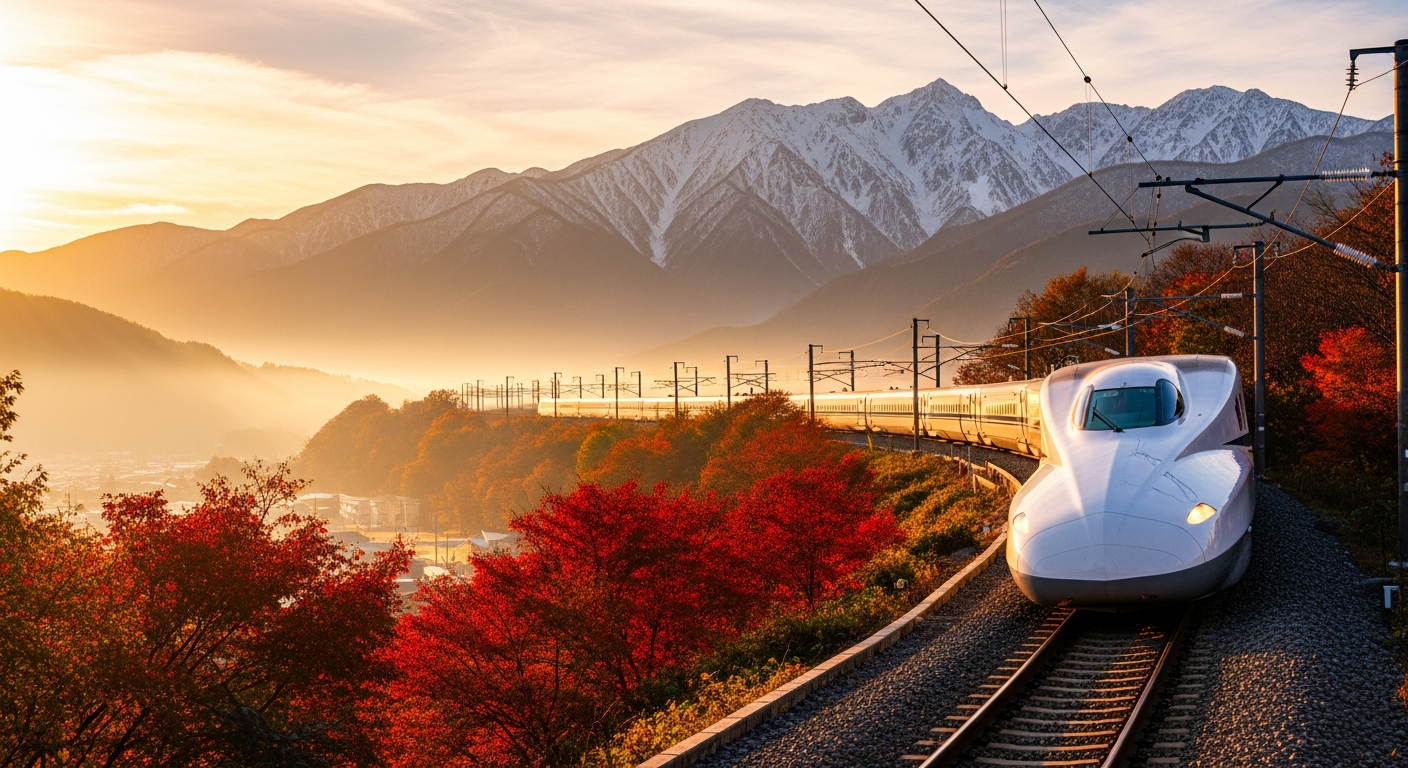
A practical two-week Japan rail trip for a small group of over-60 friends, using the bullet trains between Tokyo, the Japanese Alps and Kyoto. Real AUD costs, sensible pacing and tips on luggage, accessibility and splitting twin rooms.
Why Japan by rail suits a group of over-60 friends
There is something deeply civilised about travelling Japan by train. You roll your bag onto a platform that is clean and well signed, you sit in a wide, quiet seat, and an hour or two later you step out somewhere new without ever wrestling a hire car. For a group of friends in their sixties, that ease matters more than is sometimes admitted.
What sells this trip is the pacing. Japan packs a lot into short distances. Tokyo to Kyoto is a little over two hours on the shinkansen, faster than driving Melbourne to Bendigo and back. That means you can move slowly between bases and still see a great deal.
How much does two weeks in Japan cost from Victoria?
Return flights from Melbourne to Tokyo run from about A$1,300 in shoulder season (spring and autumn) and more over the New Year and cherry blossom peaks. Booking three to four months ahead gives the best fares.
On the ground, budget roughly A$200 to A$280 per person per day if you share twin rooms, which covers mid-range hotels, trains, meals and entries. A solo traveller pays more, as Japanese business hotels charge close to the same for a single room. Travelling as a group of friends and splitting twins keeps the per-head cost honest.
All up, two weeks including flights comes to around A$5,500 to A$6,500 each, eating well and staying comfortably without going luxury.
Should you buy the Japan Rail Pass?
Here is the change worth knowing. The Japan Rail Pass jumped in price in October 2023. As of mid-2026 the 14-day ordinary pass sits around A$870. For a simple loop like Tokyo, Kanazawa and Kyoto, individual bullet-train tickets often work out cheaper, so do the sums before you buy.
Tokyo to Kyoto one way is roughly A$140. If you are zigzagging widely, the pass earns its keep, but for a gentle there-and-back trip it usually does not. Buy point-to-point tickets at the station or through an IC card for local trains, and reserve shinkansen seats in advance so the group sits together.
A sensible two-week itinerary
Spend the first four nights in Tokyo, basing yourselves near a major station such as Shinjuku or Tokyo Station so trains are easy. Add a day trip to Hakone for the hot springs and views of Mount Fuji on a clear day.
Take the shinkansen to Kanazawa for three nights, a calmer city with a famous garden, a preserved geisha district and superb seafood markets. Then continue to Kyoto for five nights, with a day trip to Nara to see the deer and the great temple.
Finish with two nights back in Tokyo before flying home, which buffers against any train delays and lets you do last shopping. Resist the urge to add more cities. Fewer bases, more nights in each, is the secret to enjoying it at this age.
What about luggage, walking and accessibility?
Travel light. Japanese hotel rooms are small and station stairs are real, though most major stations have lifts and escalators if you look for them. One wheeled case under 20 kilos and a day pack each, plus the takkyubin luggage-forwarding service to send bags ahead between cities for around A$20 a case, means travelling the trains hands-free.
There is a lot of walking in Japan, often on smooth city pavements but also up temple steps. Bring proper shoes and pace your days with a sit-down lunch. Taxis are plentiful and reasonable for tired afternoons, and most temples and gardens have flat alternative routes.
Eating well as a group
Food is half the joy. You do not need bookings for most places. Department store food halls, called depachika, are brilliant for assembling a relaxed dinner, and conveyor-belt sushi is fun and cheap at around A$15 to A$25 a head.
For one special meal in Kyoto, a multi-course kaiseki dinner runs around A$120 each and is worth every yen. Tell restaurants in advance about any dietary needs, as vegetarian and gluten-free can be tricky given the dashi stock used widely. A translation app smooths most of this over.
When should you go?
Spring, late March to April, brings the cherry blossoms but also the crowds and higher prices. Autumn, late October to November, gives cool, clear days and the maple colour, and is the pick for comfortable walking.
Avoid the New Year week and Golden Week in early May, when everything is booked and busy. Summer is hot and humid, and winter is cold but quiet, with good value if you do not mind rugging up.
Key takeaways
- For a simple Tokyo to Kyoto loop, individual bullet-train tickets usually beat the Japan Rail Pass since the 2023 price rise.
- Budget around A$5,500 to A$6,500 per person for two weeks including flights, sharing twin rooms.
- Use luggage forwarding (takkyubin) at around A$20 a case to travel the trains hands-free.
- Choose fewer bases with more nights each to keep the pace gentle.
- Autumn (late October to November) offers cool, clear weather ideal for walking.
- Solo travellers pay nearly the same room rate as a twin, so friends sharing get better value.
Where to look and book
Indicative prices only — always confirm with the operator before booking.
Frequently asked questions
Is Japan easy to get around without speaking Japanese?
Yes. Major stations and trains have English signage and announcements, and a translation app handles menus and directions. Staff are helpful even with limited shared language.
Do I need a visa for Japan as an Australian?
Australian passport holders do not need a visa for short tourist stays of up to 90 days. Check current entry rules on Smartraveller before you travel.
Is it safe for a group of women over 60?
Japan is one of the safest countries to travel in, with very low crime and reliable public transport. Normal sensible precautions are plenty.
Can I use my Australian cards and phone?
Cards are now widely accepted, though carry some cash for smaller places and shrines. A travel eSIM or pocket wifi keeps you connected cheaply.
Got a tip, a price update or a story from this route? The community would love to hear it.
Share your views on our Facebook page— Seniors and Solo Traveller Stories
More holidays
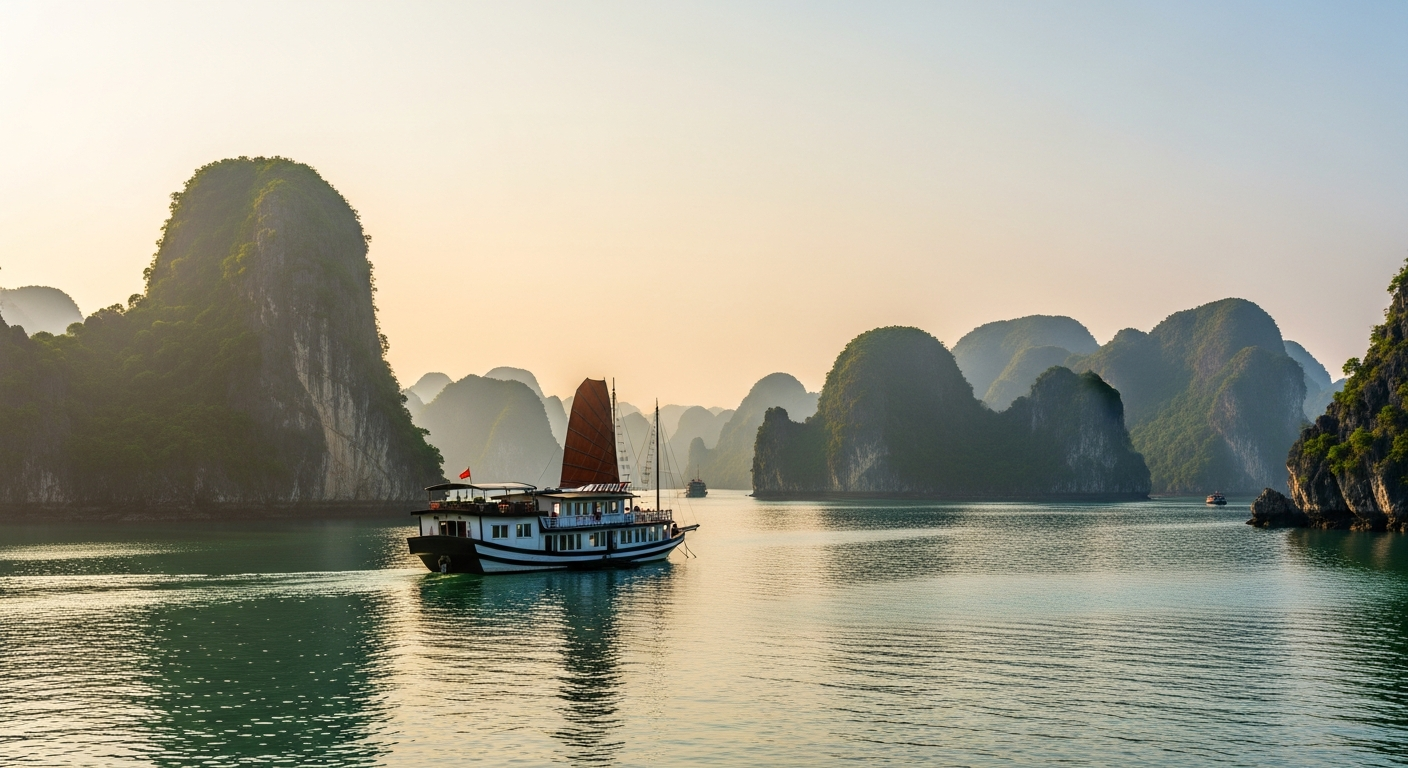
A Couple's Halong Bay and Hanoi Fortnight: Cruising Northern Vietnam at a Steady Pace, With Honest AUD Costs
Northern Vietnam suits over-60 couples who want a slower trip with comfort and good food. This 14-day plan pairs Hanoi…
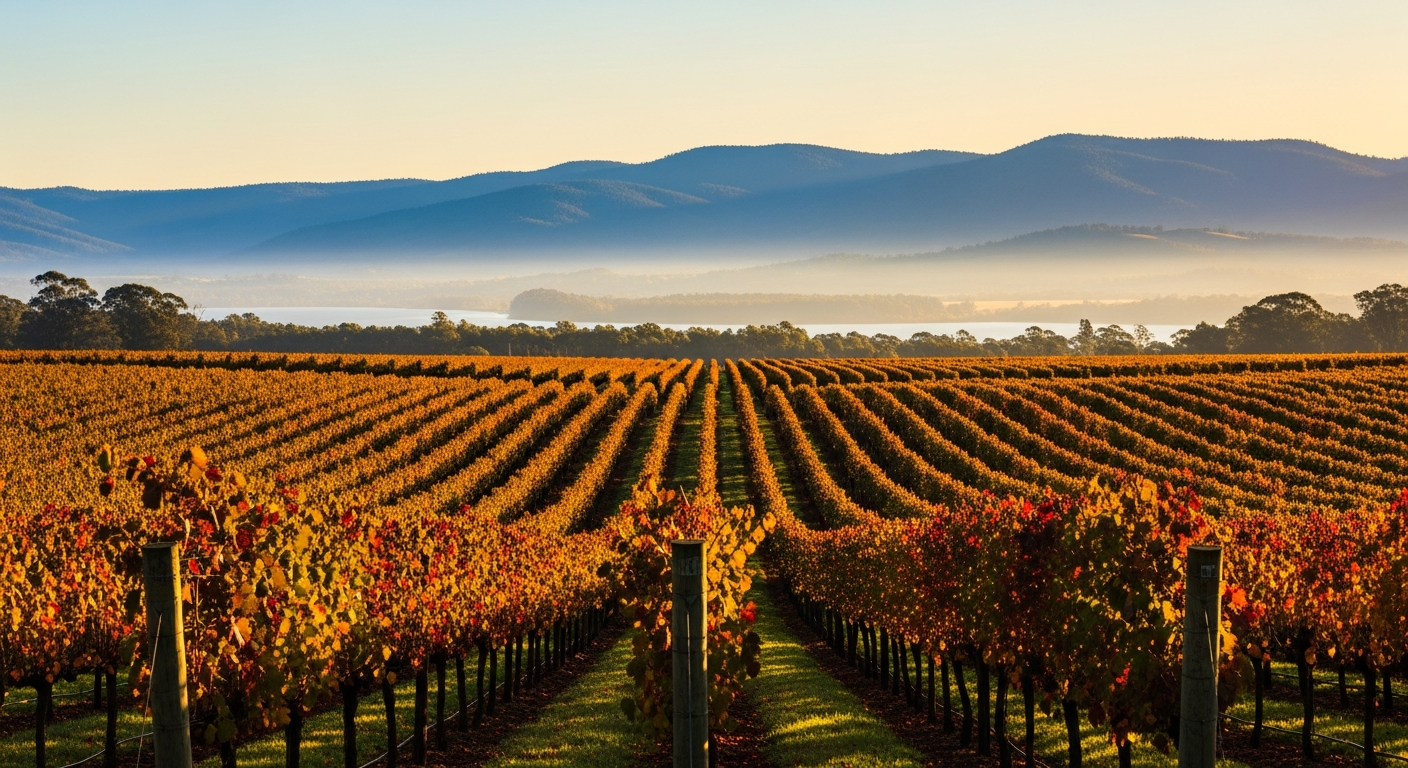
A Tasmanian Food and Wine Trip for Two Over 60: Slow Days, Cellar Doors and the Spirit of Hobart
A gentle seven to ten day food and wine trip through Tasmania suits over-60 couples who want short drives, good meals…
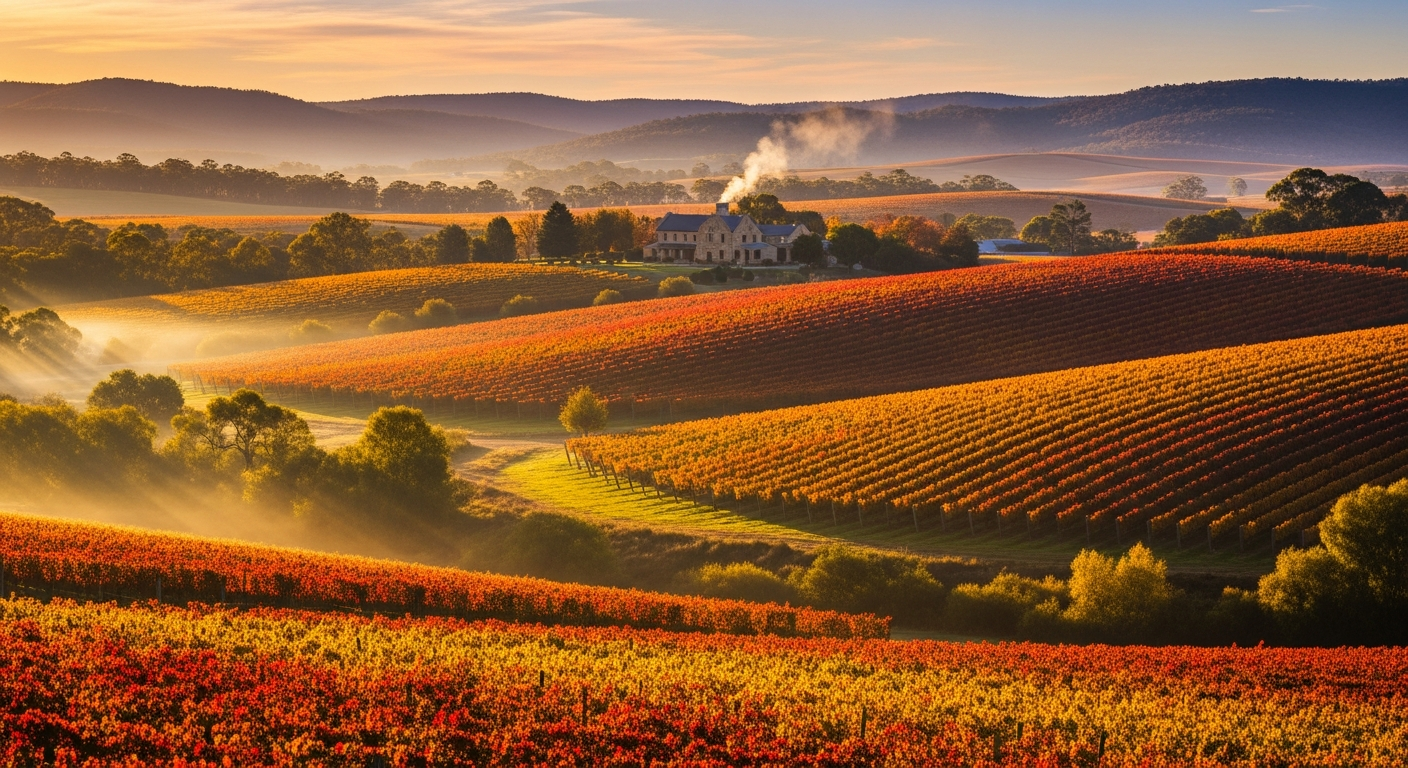
Adelaide and the Barossa for Two Over 60: A Gentle Week With Real AUD Costs
Adelaide is one of Australia's most relaxed capitals for older travellers, and it pairs beautifully with a few unhurri…