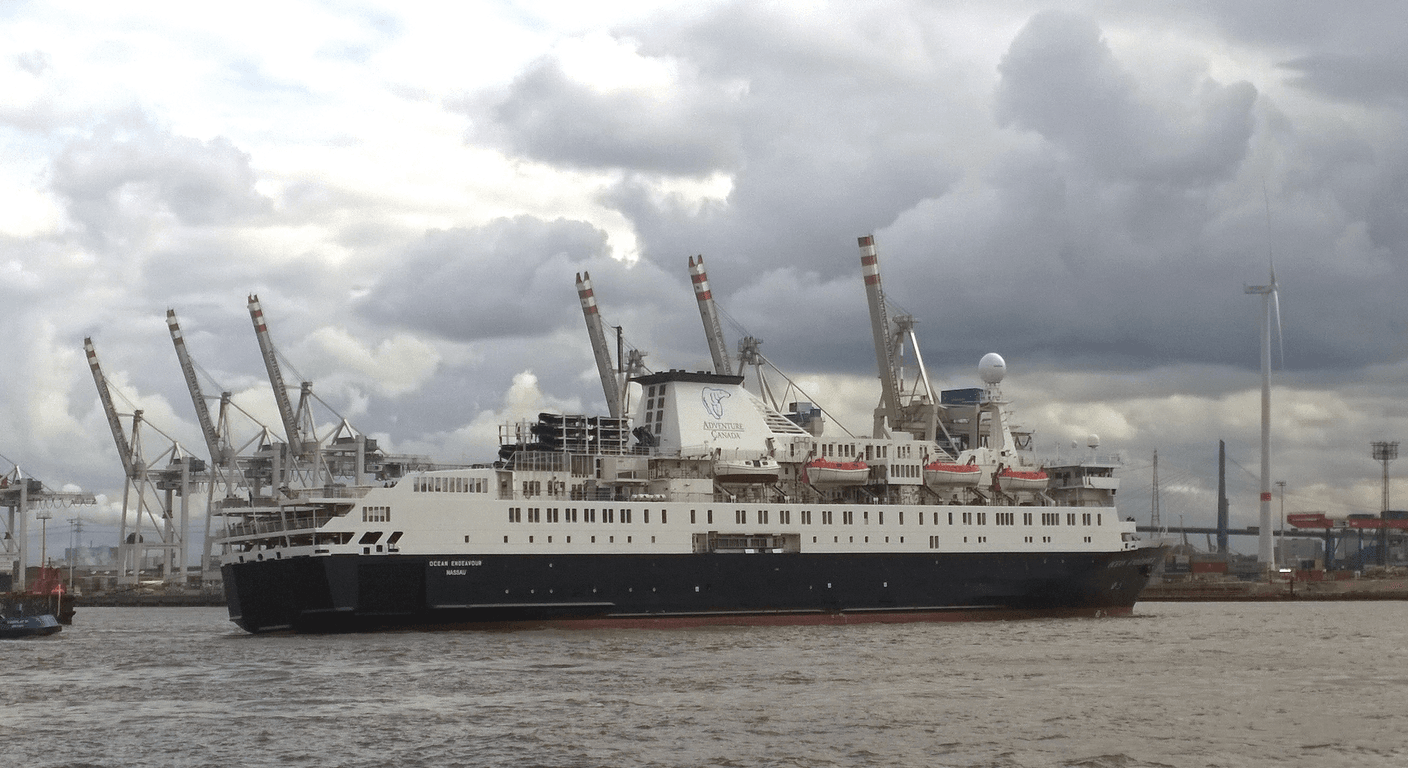
Repositioning cruises move a ship from one region to another as seasons change — and because cruise lines need to fill those one-way sailings, the per-day cost is often noticeably lower than a comparable round voyage. For retirees with flexible schedules and a genuine appetite for sea days, they offer a slow, unhurried way to cross an ocean. This guide covers what to expect, who they suit, the honest trade-offs, and how to think about the one-way airfare that comes with the territory.
What exactly is a repositioning cruise?
A repositioning cruise — sometimes called a repo cruise — happens when a cruise line needs to move a ship from one home port to another as seasons shift. Think of it this way: a ship that spends the southern-hemisphere summer sailing Australian waters may need to be in the Mediterranean or Alaska by northern-hemisphere summer. Rather than sail the vessel empty, the line sells those transit sailings to passengers. The result is a one-way voyage across a substantial stretch of ocean, often with a handful of port stops but a large number of days at sea in between.
These are not the same as a standard cruise itinerary. A repositioning sailing might run anywhere from 12 nights to 35 nights or more, crossing the Pacific, the Atlantic, or transiting through the Suez or Panama canals. The ports are often secondary to the journey itself — the crossing is the point. For travellers who genuinely enjoy being on the ship, reading, resting, taking a class, watching the ocean change colour from tropical blue to grey-green Atlantic, that is a feature, not a problem.
Common repositioning routes of interest to Australians include Sydney or Brisbane to Los Angeles or Vancouver (trans-Pacific), Australian ports to Southampton or Barcelona via Asia and the Suez (a very long repositioning), and shorter hops such as Australia to Singapore or Hong Kong. The timing tends to cluster around March to May (ships heading north for European summer) and October to November (ships returning south for Australian summer).
Why do repositioning cruises cost less per day?
The pricing logic is straightforward: a cruise line would rather sell a cabin at a reduced per-day rate than sail with empty berths. There is no premium itinerary to market — no 'Greek Isles' or 'Norwegian Fjords' branding to justify a higher rack rate. The line needs the ship somewhere, and the sailing is happening regardless. That gives passengers a degree of leverage they do not have on a popular round-trip itinerary in peak season.
The per-day saving is real but context matters. A longer voyage means more days of onboard spending — drinks packages, shore excursions, spa treatments, speciality dining — and those costs add up. Some repositioning sailings include a drinks package or onboard credit as part of the fare; others do not. It is worth reading the inclusions carefully rather than comparing headline cabin prices alone. Gratuities, which are often charged daily on international lines, are another line item to factor in.
Indicatively, and with the strong caveat that prices shift considerably depending on the line, the ship, the season, and how far in advance you book, repositioning fares on major ocean lines have been available from roughly AUD $100 to $200 per person per day for an inside cabin on longer crossings — though balcony and suite categories cost more, and prices are best confirmed directly with the line or a cruise-specialist travel agent. Do not treat any figure in this guide as a current quote.
The honest reality of many sea days: is this for you?
A trans-Pacific repositioning from Sydney to Los Angeles might involve 15 to 20 consecutive days at sea with one or two port stops. That is a long time on a ship, and it is worth being honest with yourself — and with travel companions — about whether that pace suits you. For some over-60 travellers, it is close to ideal: structured days, a pool deck, a library, enrichment lectures, dancing classes, films, and the simple pleasure of watching the ocean. For others, the confinement becomes uncomfortable after day five.
The ship itself matters enormously. Larger ships on repositioning routes tend to have more onboard programming — cooking demonstrations, guest speakers, dance lessons, trivia, art auctions, fitness classes. Smaller or older vessels may have a quieter, more stripped-back programme. Researching the specific ship before booking is time well spent. Reading passenger reviews on sites like Cruise Critic (cruisecritic.com.au) gives a realistic sense of what life on that vessel is actually like day to day.
For a group of women travelling together — which suits the repositioning format particularly well — the long sea days become social time. Card games, deck chairs, shared meals, afternoon tea. The ship functions almost like a slow-moving base, and the lack of daily port logistics can actually reduce travel fatigue. That said, if someone in the group has limited mobility or a condition that requires regular medical attention, checking the ship's medical facilities and the accessibility of public spaces before booking is essential. Most major cruise lines publish accessibility information on their websites.
The one-way airfare: the trade-off you need to plan for
Here is the honest catch that often gets underplayed in repositioning cruise enthusiasm: you board in one city and disembark in another. That means either a one-way international airfare at the far end, or a round-trip airfare to the embarkation port and a separate ticket home from the disembarkation port. Neither is cheap, and one-way international fares can be disproportionately expensive compared with return tickets on the same route.
There are ways to manage this. Some cruise lines offer air-sea packages that include flights — it is worth asking, though these are not always the best-value airfare option. Alternatively, if the repositioning brings you to, say, Vancouver or Barcelona, you might plan an independent land extension before flying home, which can make the overall trip feel more rounded and may allow you to book a return fare from a more convenient city. For a group travelling together, pooling research on airfare timing and routes is practical.
The one-way logistics also affect travel insurance. A policy that covers a multi-leg trip — cruise plus pre- or post-cruise land travel plus international flights — is more complex than insuring a round-trip cruise. Seniors travel insurance for ocean cruises, particularly for those over 65, warrants careful comparison. The Australian Government's Moneysmart website (moneysmart.gov.au) has guidance on comparing travel insurance, and it is worth reading the product disclosure statement for any policy before purchasing, paying particular attention to medical evacuation cover at sea and pre-existing condition clauses.
Single travellers and the single supplement question
Solo travellers in a friends group sometimes find that one person is paying a single supplement — a surcharge applied when one person occupies a cabin designed for two. On repositioning cruises, where lines are motivated to fill cabins, the single supplement situation can occasionally be more negotiable than on peak-season sailings, and some lines run promotions that reduce or waive the supplement on specific categories. It is worth asking directly.
A number of cruise lines have introduced dedicated solo cabins on newer ships — smaller in footprint but priced without a supplement penalty. These are worth investigating if a member of the group is travelling without a cabin-share partner. Princess Cruises, for instance, has offered solo studio cabins on some vessels; Cunard and others have done similar. Availability on any specific repositioning sailing will depend on the ship assigned to that route.
For a group where some are paired and one or two are solo, it can also be worth considering whether the group wants adjoining or nearby cabins on the same deck. On a long crossing, proximity matters more than it does on a short itinerary — impromptu gatherings in the corridor or a quick knock on the door for afternoon tea is part of what makes the format work for a group of friends.
Which seasons and routes suit Australian retirees?
The most practical repositioning routes for Australians are those that either depart from an Australian port or position well with a flight from Melbourne, Sydney, or Brisbane. Trans-Pacific sailings from Sydney or Auckland to Los Angeles or Vancouver are the most accessible — no long-haul positioning flight required to board. These typically run from February to April as ships head north for the Alaskan or Californian summer season.
Trans-Atlantic crossings (usually departing from North America or the Caribbean to Southampton or Barcelona) are popular with Australians who are already in the northern hemisphere for other travel, or who are willing to fly to the US east coast or Caribbean to join the ship. Cunard's Queen Mary 2 does regular trans-Atlantic crossings that, while not always strictly repositioning sailings, operate on a similar ocean-crossing format and attract a loyal over-60 audience. The QM2 crossing from New York to Southampton takes around seven nights.
Shorter repositioning hops — Australia to Singapore, or Singapore to Japan — suit travellers who want the sea-day pace without committing to three or four weeks. These can serve as a relatively low-cost way to reach Asia for an independent land trip, with the ship as a comfortable, unhurried means of getting there. The per-day saving on shorter hops is less dramatic, but the format still applies. Check Visit Victoria's travel resources and the individual cruise line websites for itineraries departing from or near Melbourne.
Practical tips before you commit to a repositioning cruise
Confirm the specific ship, not just the line. Cruise lines sometimes swap vessels on repositioning routes, and the ship determines the onboard experience. Once you know the ship, research its layout, the location of accessible cabins relative to lifts and dining rooms, and the deck plan. On a long crossing, a cabin that requires a long walk or several lifts to reach the main dining room becomes a daily inconvenience.
Packing for a long sea crossing is different from a port-intensive cruise. Formal or smart-casual evenings vary by line — Cunard maintains a formal tradition; other lines have moved to smart casual across the board. More practically, you will want layers for deck time as the ship moves through different climates, comfortable shoes for long deck walks, and any medications in sufficient quantity for the full voyage plus a buffer, as replenishing prescriptions mid-ocean is not straightforward. Carry medications in hand luggage, not checked bags.
Travel insurance for a repositioning cruise should be arranged before final payment is made on the cruise, to ensure cancellation cover applies from the point of financial commitment. For travellers over 65, or those with pre-existing conditions, premiums are higher and the policy terms need scrutiny. The Insurance Council of Australia (insurancecouncil.com.au) offers general guidance on what to look for in a travel policy. A cruise-specialist travel agent based in Australia can also advise on policies that are commonly used by the over-60 cruise market.
Key takeaways
- A repositioning cruise moves a ship between seasonal home ports — passengers fill those one-way sailings at a lower per-day cost than comparable round-trip itineraries.
- The per-day fare saving is real, but the one-way logistics mean a return airfare or separate one-way international flight must be factored into the total trip cost.
- Long sea days — sometimes 15 or more in a row on a trans-Pacific crossing — are the format's defining feature, and suit travellers who genuinely enjoy ship life over port-hopping.
- Single supplements can sometimes be negotiated or waived on repositioning sailings, as lines are motivated to fill cabins on these less-marketed voyages.
- Travel insurance for a repositioning cruise needs to cover medical evacuation at sea and pre-existing conditions; read the product disclosure statement before purchasing.
- For a group of friends travelling together, the slow pace and communal ship life of a repositioning cruise can reduce daily logistics fatigue and create extended time for genuine relaxation.
Where to look and book
Indicative prices only — always confirm with the operator before booking.
Frequently asked questions
What is a repositioning cruise and why does it cost less?
A repositioning cruise is a one-way sailing used to move a ship from one seasonal home port to another — for example, from Sydney to Vancouver as the northern-hemisphere summer begins. Because the sailing is happening regardless and the line wants to fill cabins, fares are typically lower per day than on a comparable round-trip itinerary. The trade-off is that you disembark in a different city from where you boarded, which requires planning a return flight.
How many sea days should you expect on a repositioning cruise?
It depends on the route, but long sea-day stretches are the norm. A trans-Pacific repositioning from Sydney to Los Angeles can involve 15 to 20 consecutive days at sea with one or two port stops. A trans-Atlantic crossing from New York to Southampton on a vessel like Cunard's Queen Mary 2 takes around seven nights. Shorter repositioning hops — Australia to Singapore, for instance — may have more port calls but fewer consecutive sea days.
Do Australian seniors need special travel insurance for a repositioning cruise?
Yes — a standard domestic or budget travel policy is unlikely to be adequate. Ocean cruise insurance for Australians over 60 should include medical evacuation at sea (which is expensive), cover for pre-existing medical conditions, and cancellation cover from the point you make your first financial commitment. Policies vary significantly in what they cover and exclude, so read the product disclosure statement carefully. The Australian Government's Moneysmart website offers guidance on comparing travel insurance.
Is the single supplement waived on repositioning cruises?
Not automatically, but cruise lines running repositioning sailings are often more willing to negotiate or promote reduced single supplements because they are motivated to fill cabins. Some lines also offer dedicated solo cabins on newer ships that carry no supplement penalty. It is worth asking the cruise line directly or working with a cruise-specialist travel agent who knows which sailings have solo-friendly pricing.
Which repositioning cruise routes are most practical for Australians departing from Victoria?
Trans-Pacific routes departing from Sydney or Auckland to Los Angeles or Vancouver are the most accessible for Australians, as they require no long positioning flight to board. These typically run between February and April. Shorter repositioning hops from Australian ports to Singapore or Hong Kong are also practical and suit travellers who want a slower, lower-cost way to reach Asia. Trans-Atlantic crossings generally require a positioning flight to North America or the Caribbean first.
Got a tip, a price update or a story from this route? The community would love to hear it.
Share your views on our Facebook page— Seniors and Solo Traveller Stories
More cruises
Can You Cruise Round Australia and the South Pacific Without Boarding a Plane?
Princess Cruises sails from Australian ports including Melbourne and Sydney, which means over-60s in Victoria can join…
Cruising from Melbourne and Sydney: A Couple's Honest Guide to Sailing After 60
Ocean cruises departing Australian ports remain one of the easiest ways for over-60 travellers to see new places witho…

Is a Coral Expeditions Kimberley Cruise the Right Pace for Over-60 Travellers?
Coral Expeditions runs small-ship expedition cruises along Western Australia's Kimberley coast, carrying far fewer pas…