Choosing between a river cruise and an ocean cruise is one of the bigger decisions a couple over 60 will make when planning a significant trip. Both offer genuine appeal, but they suit different temperaments, budgets, and physical realities. This guide works through the practical differences honestly, so you can land on the right choice for where you are in life right now.
Why this decision matters more after 60
At 60, 65, or 73, the way you travel starts to shift. You are less interested in cramming in every sight and more interested in actually enjoying what you came to see. Cruising — both river and ocean — suits this shift well. You unpack once, your accommodation travels with you, and someone else handles the logistics. But river and ocean cruising are genuinely different experiences, and picking the wrong one for your temperament or physical condition can turn a well-funded holiday into a regret.
For couples in particular, the decision involves more than personal preference. You may have different tolerance for crowds, different mobility needs, or one partner who is prone to seasickness while the other is not. Working through the real differences — not the brochure version — is the only way to make a call you will both be comfortable with.
This guide does not declare a winner. It lays out what is actually different between the two, what those differences mean for travellers in their 60s and 70s, and which type tends to suit which kind of person. The goal is that by the end, you have enough information to make the decision yourself — or to have a much more focused conversation with a travel agent.
Ship size and crowds: what is the actual difference?
Ocean cruise ships have grown to extraordinary sizes. The largest carry well over 5,000 passengers, with buffet queues, crowded pool decks, and tender ports where you wait in line with hundreds of others to get ashore. Plenty of ocean ships are smaller and more manageable — expedition vessels and premium lines carry 200 to 700 passengers — but the mainstream market is dominated by large ships, and that is what most people booking a budget-friendly ocean cruise will encounter.
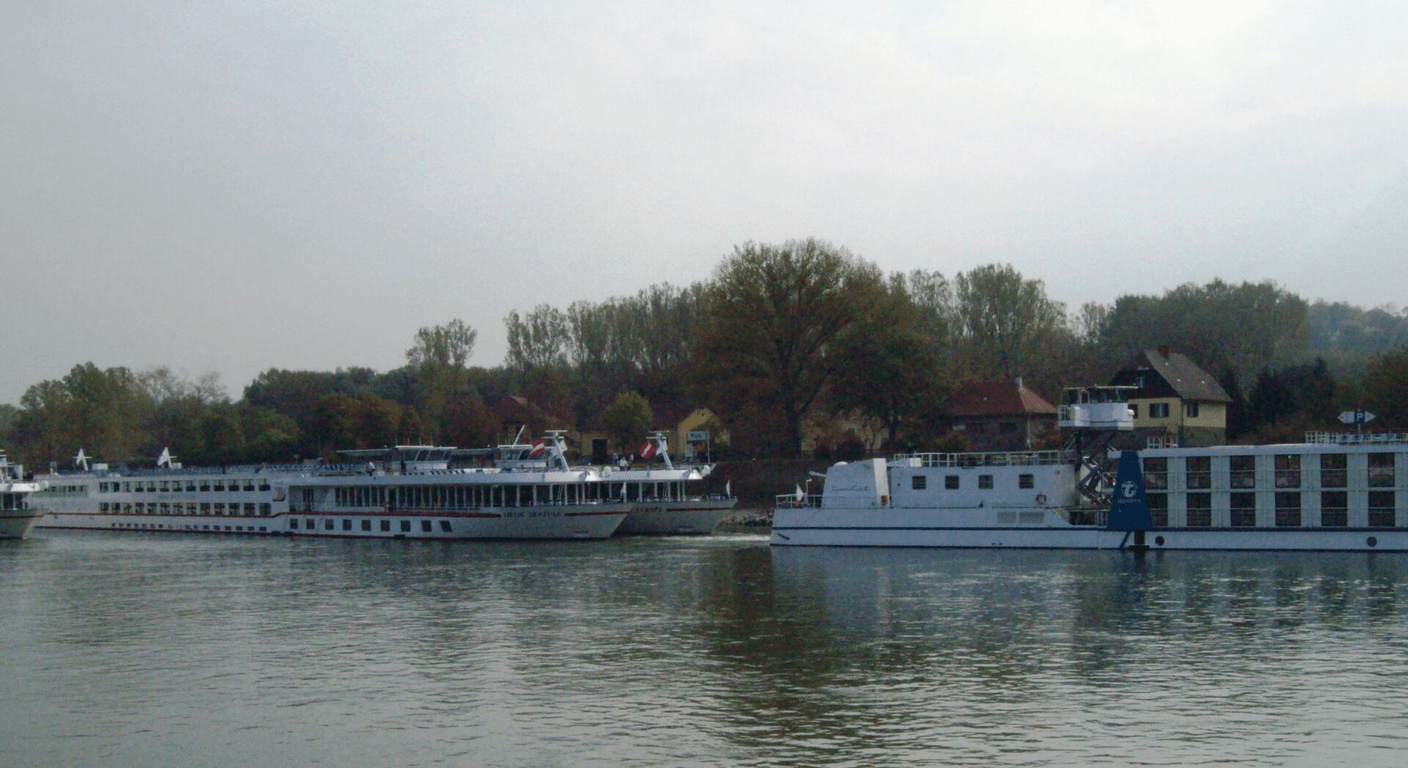
River cruise ships are, by the nature of the waterways they travel, much smaller. Most European river vessels carry between 100 and 200 passengers. That means you almost always know your fellow travellers by name within a day or two, dining is relaxed, and there are no tender boats or lengthy disembarkation queues. For a couple who find large crowds draining — which is common as people get older — this is a meaningful quality-of-life difference.
The trade-off is variety. On an ocean ship, even a large one, there are multiple restaurants, entertainment venues, pools, and facilities. On a river ship, the communal spaces are modest. If either of you needs significant onboard stimulation or enjoys the resort-hotel atmosphere of a large cruise ship, the river experience may feel quiet by comparison. Know your own preferences before committing.
Motion sickness and stability: an honest assessment
This is often the deciding factor for couples where one partner has struggled with seasickness in the past. Ocean cruising involves open water, and even large ships roll in bad weather. The Mediterranean in autumn, the North Sea, the Southern Ocean, and parts of the Pacific can be genuinely rough. Modern stabilisers help considerably, and many people who worry about seasickness find they are fine on a large vessel. But it is not a guarantee, and for some people, motion sickness on a ship is seriously debilitating.
River cruising takes place almost entirely on calm, inland waterways — the Rhine, Danube, Mekong, Nile, Douro, and others. The motion is minimal. On some rivers you are barely aware the ship is moving at all. For anyone who has ever had a difficult experience with seasickness, or who simply does not want to take the risk, a river cruise removes the problem almost entirely. This is one of the clearest practical advantages river cruising holds for older travellers.
It is worth noting that repositioning ocean cruises — the long hauls across open ocean that are sometimes sold cheaply — carry the highest risk of rough water. If you are considering an ocean cruise primarily because of the price, make sure you understand what waters the itinerary crosses, not just where it starts and finishes.
Shore excursions: what is included and what is not?
One of the most significant structural differences between river and ocean cruising is how shore excursions work. On most river cruises — particularly the premium Australian-market operators like Scenic, Avalon, and Viking — guided shore excursions are included in the fare. You step off the ship in Melk, Bratislava, or Bordeaux with a guide already organised and no additional charge. This all-inclusive model makes budgeting straightforward and removes the stress of arranging your own activities in an unfamiliar country.
Ocean cruising works very differently. The cruise fare covers your cabin, meals, and passage, but shore excursions are almost always sold separately through the cruise line, or you arrange your own independently. On a ten-night Mediterranean cruise, adding four or five excursions through the ship can add anywhere from roughly $150 to $600 per person per port, depending on the activity. Over a full cruise, that is a meaningful additional cost that does not always appear in the headline fare comparison.
For couples who prefer to explore independently — hiring a local taxi, wandering a town on their own schedule — the ocean cruise model offers genuine flexibility. For those who prefer the security of a guide, a set group, and no planning pressure, the river cruise's inclusive model is a real advantage. When you are comparing headline prices, always clarify exactly what shore excursions, if any, are included in each option.
Accessibility and walking: what you need to know before booking
Accessibility is where honest guidance matters most, because brochures are not always candid about physical demands. River cruising docks directly in town centres, which sounds ideal, but the actual boarding process on many European river ships involves stepping across other vessels moored alongside — sometimes two or three deep — to reach the dock. This can involve uneven gangways and limited handrails. If either of you uses a walking frame, a wheelchair, or has significant balance issues, this is something to raise directly with the cruise line before booking.
Shore excursions on river cruises, while included, often involve cobblestone streets, uneven historic pavements, and moderate walking distances. Many operators now offer 'gentle' or 'leisurely' variants of standard excursions, and it is worth specifically asking what the walking pace and terrain are like for each included tour. Do not assume that 'included' means 'accessible'.
On ocean cruises, the ships themselves tend to have better onboard accessibility infrastructure — lifts, wider corridors, purpose-built accessible cabins — because they are built to carry large numbers of people with varying needs. Tender ports, however, remain a genuine barrier. When the ship anchors offshore and passengers are ferried to shore in small tender boats, passengers with mobility limitations are sometimes unable to go ashore at all. Before booking any ocean cruise, check the itinerary port by port and identify which are tender ports and which are direct docking ports. This information is available from the cruise line and is worth confirming in writing.
Costs and single supplements: comparing the numbers honestly
River cruises have a reputation for being expensive, and for couples, they often are — in absolute dollar terms. A seven-night European river cruise sold from Australia, including return international flights, can run indicatively from around $8,000 to $15,000 or more per person, depending on the operator, cabin category, and time of year. These are rough indicative figures only; confirm current pricing with operators directly. However, because most meals, excursions, and often drinks are included, the on-trip spending is much lower than it first appears.
Ocean cruises can be significantly cheaper at the entry level, particularly on large mainstream ships departing from Australian ports. A ten-night Pacific or New Zealand cruise can be found indicatively from around $2,500 to $4,500 per person, though the cabin category and what is included varies enormously. When you add shore excursions, gratuities, drinks packages, and specialty dining, the final cost often climbs well above the headline fare. Neither type is inherently better value — it depends entirely on what is and is not included.
For solo travellers or widowed partners travelling alone, the single supplement is a real consideration on both types. Most cruise lines charge solo travellers a supplement — often 50 to 100 per cent of the per-person twin-share rate — to occupy a cabin alone. Some river cruise lines have dedicated solo cabins at a reduced supplement, and some ocean lines run periodic single-supplement waiver promotions. If you are travelling as a couple, this is less of an immediate concern, but it is worth knowing for the future. Always ask specifically about single-supplement policies when comparing options.
Planning from Victoria: practical steps for Australian couples
Most Australian couples booking a river or ocean cruise will work with a travel agent who specialises in cruising, and for good reason. The fly-cruise combinations, travel insurance requirements, and cabin-specific accessibility questions are genuinely complex, and a specialist can navigate them more efficiently than most people can on their own. Look for an agent who holds accreditation with the Cruise Lines International Association (CLIA) Australasia, which indicates cruise-specific training.
Travel insurance is not optional for travellers over 60, and it becomes more complex as you get older or if either traveller has pre-existing health conditions. Australian insurers are required to offer cover to older travellers, but the premiums and exclusions vary significantly. Always declare all pre-existing conditions fully — failure to do so can void a claim when you need it most. Compare policies through a broker or comparison service and read the Product Disclosure Statement carefully, particularly the medical evacuation and cancellation provisions. For international river and ocean cruises, ensure the policy covers the specific waterways and countries on your itinerary.
For Victorian travellers, Melbourne Airport has direct and one-stop connections to European river cruise embarkation ports — Amsterdam, Basel, Budapest, Lisbon, and others — and to major ocean cruise hubs including Singapore, Dubai, and Southampton. Build in at least one overnight stop if flying to Europe; arriving directly onto a ship after 24-plus hours of travel is a poor start to any holiday. Many operators offer pre-cruise hotel packages that are worth considering, both for rest and for the logistics of transferring luggage to the ship.
Key takeaways
- River cruises carry 100–200 passengers and dock in town centres; ocean ships range from boutique to enormous and suit different temperaments entirely.
- River cruising is almost entirely motion-free, making it the lower-risk choice for anyone with a history of seasickness.
- Most river cruise fares include guided shore excursions; ocean cruise excursions are almost always priced separately and add substantially to the total cost.
- Tender ports on ocean cruises can prevent passengers with mobility limitations from going ashore — check every port before booking.
- Single supplements on both river and ocean cruises can add 50–100 per cent to the cabin cost for solo travellers; some lines offer dedicated solo cabins.
- Travel insurance for Australians over 60 must fully declare all pre-existing conditions — this is non-negotiable and affects the validity of any medical claim.
Where to look and book
Indicative prices only — always confirm with the operator before booking.
Frequently asked questions
Which is better for someone who gets seasick — a river cruise or an ocean cruise?
A river cruise is the safer choice for anyone prone to seasickness. River vessels travel on calm inland waterways and the motion is minimal. Ocean ships use stabilisers but still roll in rough weather, and open-ocean crossings such as the North Sea or Southern Ocean can be genuinely uncomfortable for susceptible travellers.
Are river cruises more expensive than ocean cruises for Australian travellers?
River cruises typically have a higher headline price, particularly when booked from Australia with international flights included. However, most river cruise fares include meals, shore excursions, and often drinks. Ocean cruise headline fares are often lower, but excursions, gratuities, and drinks packages can add significantly to the final cost. Comparing total trip cost — not just the advertised fare — gives a more accurate picture.
What should couples over 60 check about accessibility before booking a cruise?
For river cruises, ask specifically about gangway arrangements at each port and whether shore excursions have 'gentle' pace options for passengers with limited mobility. For ocean cruises, identify which ports require tender boats to go ashore, as passengers with mobility limitations are sometimes unable to disembark at tender ports. On both types, confirm the specific accessible cabin layout — not just that an accessible cabin exists.
Do river cruise lines charge a single supplement for solo travellers?
Most river cruise lines do charge a single supplement, commonly ranging from 50 to 100 per cent of the per-person twin-share rate. Some lines — including certain Scenic and Viking categories — offer dedicated solo cabins at a reduced supplement. Availability is limited, so solo travellers should ask about this specifically and book early if a solo cabin is a priority.
How do Australian couples typically book a European river cruise from Victoria?
Most Australian couples book through a cruise-specialist travel agent, ideally one accredited with CLIA Australasia. Fly-cruise packages combining international flights, pre-cruise hotel nights, and the cruise itself are commonly available from Melbourne. Building in at least one overnight stop in Europe before boarding is strongly recommended to recover from the long-haul flight before the cruise begins.
Got a tip, a price update or a story from this route? The community would love to hear it.
Share your views on our Facebook page— Seniors and Solo Traveller Stories
More cruises
Can You Cruise Round Australia and the South Pacific Without Boarding a Plane?
Princess Cruises sails from Australian ports including Melbourne and Sydney, which means over-60s in Victoria can join…
Cruising from Melbourne and Sydney: A Couple's Honest Guide to Sailing After 60
Ocean cruises departing Australian ports remain one of the easiest ways for over-60 travellers to see new places witho…
Is a Coral Expeditions Kimberley Cruise the Right Pace for Over-60 Travellers?
Coral Expeditions runs small-ship expedition cruises along Western Australia's Kimberley coast, carrying far fewer pas…