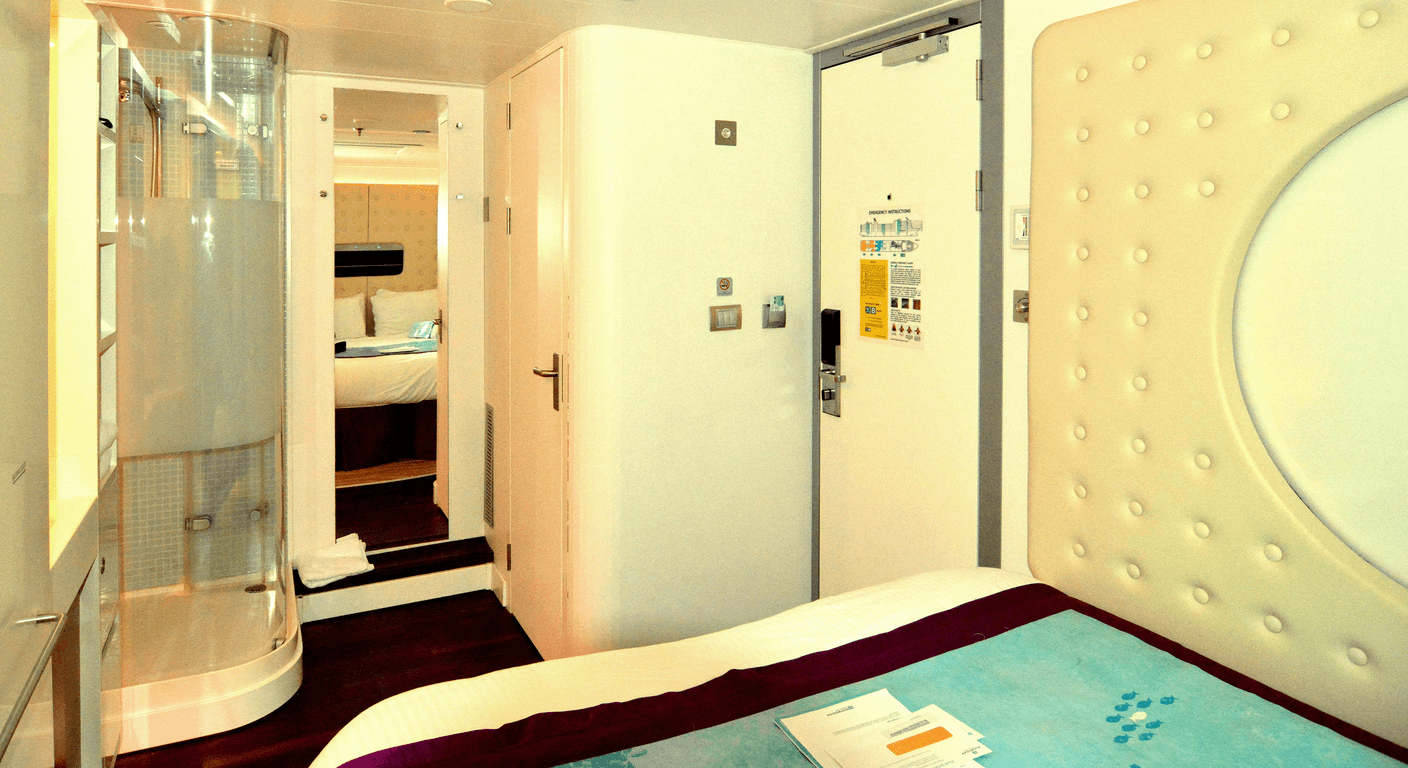
Paying double for a cabin you occupy alone is one of the most frustrating costs in travel, but it is not inevitable on a cruise. A growing number of ocean, river and expedition lines now offer dedicated solo cabins, reduced supplements, or flat single-occupancy fares — and knowing where to look makes a real difference to what you spend. This guide cuts through the marketing to show Australian solo travellers over 60 exactly which lines, ships and strategies are worth your time.
What is the single supplement and why does it matter so much for solo travellers?
Cruise fares are priced per person based on two people sharing a cabin. When you travel alone, the cruise line still wants revenue for that second berth, so they charge a single supplement — often 50 to 100 per cent of the per-person fare on top of your own fare. In practical terms, that can mean paying the equivalent of two full fares for one person in one cabin. For a traveller on a fixed retirement income, that loading can simply kill the trip.
The supplement exists because the ship's economics are built around occupancy rates. It is not a penalty invented to annoy solo travellers; it reflects a genuine revenue gap. That said, the cruise industry has been slowly responding to the reality that solo travel — particularly among women over 60 — is one of the fastest-growing segments. More lines now have a commercial reason to compete for solo bookings, which is why dedicated solo cabins and waived supplements have become more common.
It is worth being clear about what 'no single supplement' actually means before you get excited by an advertisement. In most cases it means the supplement is waived on specific cabin categories, specific sailings, or for a limited booking window. It is rarely a blanket policy across an entire fleet or year-round. Reading the fine print — or asking a specialist travel agent to read it for you — is not optional.
Which cruise lines have dedicated solo cabins, and what are they like?
Norwegian Cruise Line (NCL) is the most well-known ocean cruise line with purpose-built solo studio cabins. The Studios, as NCL calls them, were introduced on Norwegian Epic and have since appeared on Norwegian Escape, Norwegian Getaway, Norwegian Bliss, Norwegian Encore, Norwegian Joy and Norwegian Prima. They are compact — roughly 10 to 14 square metres — but fully self-contained, with a double bed, storage, and a small bathroom. Critically, they are priced for one person from the outset, so there is no supplement to waive. They also come with access to a private Studio Lounge, which gives solo travellers a comfortable social space without the pressure of sitting alone in a main bar.
Virgin Voyages, which positions itself as adults-only and tends to attract a younger crowd, has also built solo-occupancy cabins into its fleet. The line's ships — Scarlet Lady, Valiant Lady, Resilient Lady and Brilliant Lady — include Sea Terrace solo cabins. The social structure of Virgin Voyages, where solo dining at shared tables is actively normalised, suits travellers who want company without having to engineer it themselves. Virgin Voyages sails out of various ports including some Australian itineraries, so it is worth checking their Australian schedule at virginvoyages.com.
On the more classic end, Cunard's Queen Anne — which entered service in 2024 — includes a meaningful allocation of single-occupancy cabins. Cunard has a long history of attracting independent travellers, particularly women travelling alone, and the social rituals on board (afternoon tea, the ballroom, structured dining) make solo travel feel less exposed than it might on a party-focused ship. Cunard fares are at the higher end, but the single-occupancy cabins mean you are paying for one person, not two.
River cruising: where are the single supplement waivers?
River cruising suits many solo travellers over 60 because the ships are small, the atmosphere is sociable by default, and the itineraries are port-intensive — meaning you spend less time alone in your cabin and more time on guided excursions with the same group of people. The downside is that river cruise ships have fewer cabins than ocean ships, so the economics of solo occupancy are even tighter, and supplements can be steep.
Australian-owned Scenic Luxury Cruises and Emerald Cruises (both part of the Scenic Group) periodically offer solo supplement waivers or reduced supplements on European and other river itineraries. These are usually time-limited promotions tied to departure dates that have lower bookings. Scenic's website at scenic.com.au lists current solo offers, and it is worth calling their Australian reservations line directly, as not all promotions are prominently displayed online. Avalon Waterways, bookable through avaloncruises.com.au, also runs seasonal solo fare promotions on European river sailings.
APT (Australian Pacific Touring) is another well-regarded Australian operator offering river and small-ship cruises. APT has run solo supplement waivers on selected European river sailings and is particularly popular with the 60-plus demographic given its escorted touring structure. Check apt.travel for current solo fare availability. Because these waivers sell quickly and apply to a limited number of cabins, it genuinely pays to have an alert set or to check monthly rather than waiting until you are ready to book.
Expedition and small-ship cruising: is it better or worse for solo travellers?
Expedition cruising — to Antarctica, the Kimberley, the Pacific Islands or similar destinations — is a different financial proposition. Ships carry fewer passengers (sometimes 100 to 200), and every cabin matters to the operator's margin. Single supplements on expedition voyages can be high, sometimes 75 to 100 per cent. However, some lines do waive or reduce them on specific departures, particularly as the departure date approaches and solo-occupancy cabins remain unsold.
Ponant, the French expedition line, has a small number of solo cabins on some ships and occasionally runs no-supplement promotions. Their Australian enquiries are handled through ponant.com/en-au. Hurtigruten, the Norwegian expedition line, similarly has solo cabin allocations and seasonal promotions; see hurtigruten.com. For expedition travel specifically, working with a specialist Australian cruise agency is genuinely useful — they track which departures have unsold solo inventory and can negotiate on your behalf in ways that are harder to do direct.
One practical note on expedition cruising for travellers with any mobility considerations: these voyages often involve Zodiac landings (inflatable boats, wet landings on beaches, stepping down from a moving platform). Most reputable operators are honest about what is required, and some itineraries are more accessible than others. It is worth asking specifically about mobility requirements when enquiring, rather than assuming the brochure photography reflects your experience.
How do solo traveller meet-ups and dining work on cruise ships?
One of the quiet anxieties of solo cruising is the social architecture of the ship — what happens at dinner, whether you will spend seven nights eating alone at a table for one, and whether anyone will talk to you. The reality on most modern ships is considerably more sociable than the anxiety suggests, but it does vary by line and ship design.
Norwegian Cruise Line's Studio Lounge is the most structured solution: it is a private space exclusively for solo cabin guests, with a host, regular social events, and a natural gathering point. Many solo travellers find their dining companions for the whole voyage within the first day. On mainstream lines like Royal Caribbean, Celebrity, and P&O Australia, the maître d' can seat solo travellers at shared tables for dinner — it is worth requesting this at the start of the voyage rather than waiting for it to be offered. Some lines now run dedicated 'solo traveller sailings' or 'solo traveller meet and greet' events on the first sea day.
For travellers who find large group socialising tiring, the structure of a cruise can actually be gentler than a group tour: you can choose when to join in and when to retreat to your cabin or a quiet corner of the deck. This is one reason cruising is popular with older solo women in particular — the option to be social without obligation, and to have your own private space to return to, makes the rhythm of the trip feel sustainable over seven to fourteen days.
When and how should you book to get the best solo fare?
Timing a solo cruise booking is a genuine skill. The conventional wisdom is to book early for the best cabin selection, and that holds for dedicated solo cabins — they are the first category to sell out because there are so few of them. On NCL ships, for example, the Studio cabins are a small fraction of total inventory, and on popular itineraries (Mediterranean in northern summer, for instance) they can be sold out six to nine months ahead. If you have a specific ship and sailing in mind, early booking is the safer path.
The counter-strategy is to wait for last-minute solo supplement waivers. Lines do reduce or waive supplements in the final weeks before sailing when they need to fill cabins. This works if you are flexible on destination, dates, and cabin category — and if you are comfortable with the uncertainty. It is not a reliable strategy if you need to book flights, arrange travel insurance, or have any fixed commitments. For travellers over 60 with health considerations, last-minute bookings can also complicate travel insurance, as policies purchased closer to departure may have different terms.
Using an Australian cruise specialist agency is worth considering for solo bookings specifically. Agencies like Cruise Traveller (cruisetraveller.com.au), Cruise1st Australia (cruise1st.com.au), or a local travel agent with cruise accreditation can access fares and promotions that are not always visible on cruise line websites, and they can track solo supplement waivers across multiple lines simultaneously. There is generally no additional fee for using an agent on cruise bookings — the agent earns a commission from the cruise line.
Travel insurance and health considerations for solo cruisers over 60
Travel insurance for solo travellers over 60 deserves its own careful attention, separate from the cabin-pricing question. When you travel alone, there is no travel companion to help manage a medical situation, communicate with a ship's medical centre, or make decisions on your behalf. Comprehensive travel insurance with medical evacuation cover is not optional on a cruise — medical care on ships is expensive, and evacuation from a remote port or at sea can cost tens of thousands of dollars.
Australian insurers have become more willing to cover pre-existing conditions for older travellers, but the terms vary significantly. Cover-More (covermore.com.au), Allianz Travel (allianz.com.au/travel), and 1Cover (1cover.com.au) are among the established Australian travel insurers worth comparing. The Australian Government's Smartraveller website (smartraveller.gov.au) has practical guidance on what to look for in cruise travel insurance, including the importance of checking whether your policy covers 'ship to shore' medical evacuation.
A practical note: if you have a cardiologist, GP, or specialist you see regularly, it is worth getting a brief written summary of your current health status and medications before you travel. Some cruise lines require a medical clearance for passengers with certain conditions. Having documentation ready makes embarkation smoother and means any ship's doctor can understand your history quickly if needed.
Key takeaways
- Dedicated solo cabins — such as NCL's Studio cabins — are priced for one person from the outset, so there is no supplement to negotiate.
- Solo cabins sell out faster than any other category; on popular itineraries, booking six to nine months ahead is the practical minimum.
- 'No single supplement' promotions on river and expedition cruises are real but time-limited and apply to specific sailings, not entire fleets.
- Australian cruise agencies can track solo supplement waivers across multiple lines simultaneously and often access fares not visible on cruise line websites.
- Travel insurance with medical evacuation cover is essential for solo cruisers over 60, and policies should be purchased before final payment is due.
- The social structure of cruise ships — shared dining tables, solo lounges, meet-and-greet events — makes solo cruising considerably less isolating than it appears from the outside.
Where to look and book
Indicative prices only — always confirm with the operator before booking.
Frequently asked questions
Which cruise lines have dedicated solo cabins with no single supplement?
Norwegian Cruise Line is the most established ocean cruise line with dedicated solo studio cabins priced for one person, available on ships including Norwegian Epic, Escape, Bliss, Encore, Joy and Prima. Virgin Voyages also has solo-occupancy Sea Terrace cabins on its fleet. Cunard's Queen Anne includes single-occupancy cabins. On these ships, the cabin is priced for single occupancy from the start, so there is no supplement to waive — you pay a solo fare, not a doubled couple fare.
Do river cruise lines waive the single supplement?
Some Australian-based river cruise operators, including Scenic, Emerald Cruises, Avalon Waterways and APT, run periodic single supplement waivers on European and other river itineraries. These promotions apply to specific sailings and cabin categories, not across entire seasons. They are usually tied to departures with unsold solo inventory. Checking directly with the operator or through an Australian cruise agency is the most reliable way to find current waiver offers.
Is it safe to cruise solo as a woman over 60?
Solo female travel on mainstream cruise lines is common and generally well-catered for. Cruise ships are contained, staffed environments with 24-hour security, medical facilities, and structured social activities. Many women over 60 find cruising one of the more comfortable forms of solo travel precisely because there is always staff nearby, meals are provided, and the itinerary is managed. Standard sensible precautions apply in ports of call, as they would anywhere.
When is the best time to book a solo cruise cabin?
For dedicated solo cabins on popular itineraries, booking early — ideally six to nine months ahead — gives the best chance of securing the cabin you want before that small inventory sells out. If flexibility on dates and destination is possible, waiting for last-minute supplement waivers as a departure date approaches can work, but it is not reliable and complicates insurance and flight planning. For travellers with health considerations, early booking is the lower-risk approach.
What travel insurance do Australian solo cruisers over 60 need?
Australian solo cruisers over 60 need comprehensive travel insurance that specifically covers cruising, includes medical evacuation (ship to shore and to an appropriate medical facility), and covers any pre-existing medical conditions. The Australian Government's Smartraveller website at smartraveller.gov.au has guidance on cruise-specific insurance requirements. Policies should be purchased before final cruise payment is made, as some cancellation benefits only apply if insurance is in place from that point.
Got a tip, a price update or a story from this route? The community would love to hear it.
Share your views on our Facebook page— Seniors and Solo Traveller Stories
- Norwegian Cruise Line – Studio Cabins for Solo Travellers
- Virgin Voyages – Solo Cabin Information
- Cunard Line Australia – Queen Anne and Single Occupancy
- Scenic Luxury Cruises & Tours – Solo Traveller Offers
- APT Travel – River Cruising Solo Fares
- Avalon Waterways Australia
- Ponant Expedition Cruises – Australia
- Hurtigruten Expedition Cruises
- Cruise Traveller – Australian Cruise Specialist
- Smartraveller – Cruise Travel Insurance Guidance (Australian Government)
More cruises
Can You Cruise Round Australia and the South Pacific Without Boarding a Plane?
Princess Cruises sails from Australian ports including Melbourne and Sydney, which means over-60s in Victoria can join…
Cruising from Melbourne and Sydney: A Couple's Honest Guide to Sailing After 60
Ocean cruises departing Australian ports remain one of the easiest ways for over-60 travellers to see new places witho…
Is a Coral Expeditions Kimberley Cruise the Right Pace for Over-60 Travellers?
Coral Expeditions runs small-ship expedition cruises along Western Australia's Kimberley coast, carrying far fewer pas…