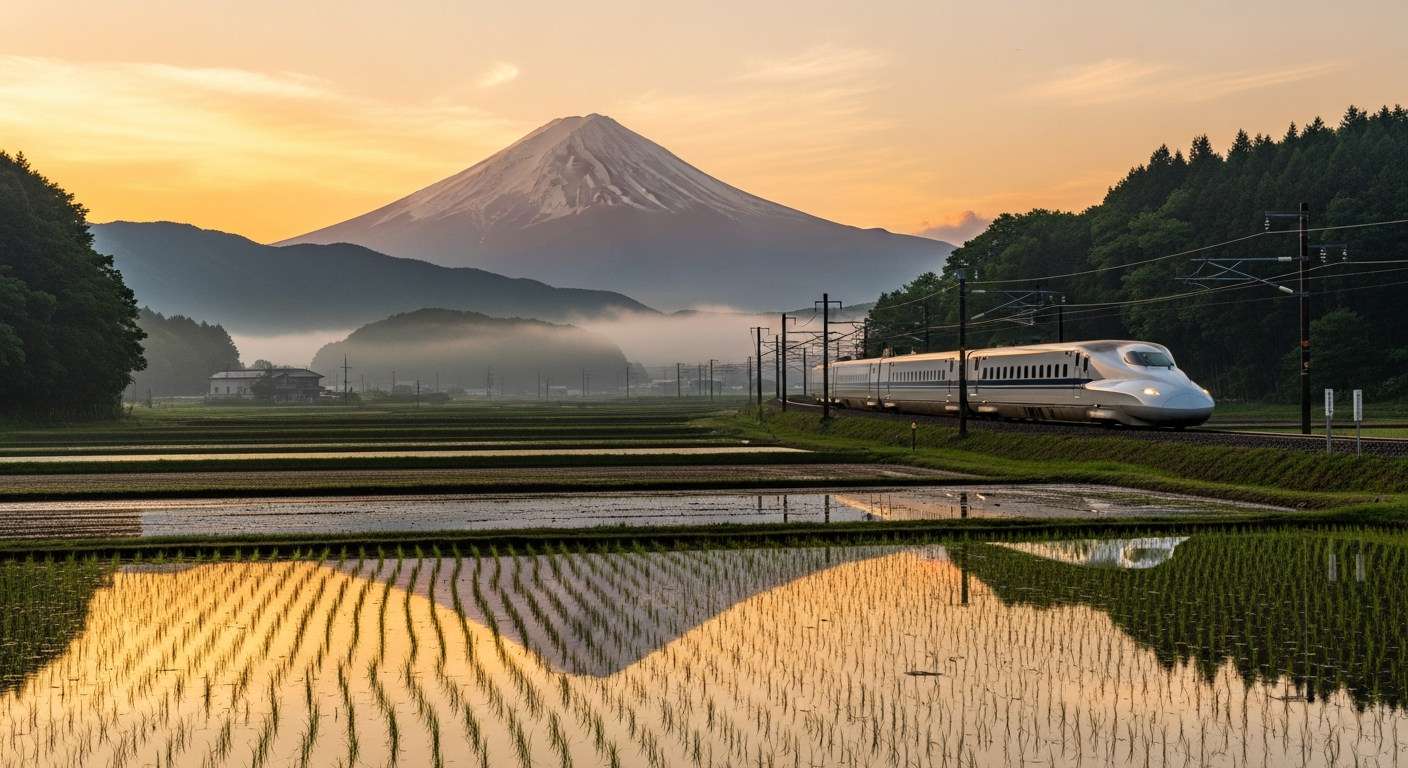
A practical, paced plan for a solo over-60 traveller doing three weeks in Japan by train, including realistic AUD costs, where the Japan Rail Pass still makes sense in 2026, and how to handle stairs, luggage and dining alone. Honest pacing for someone who no longer wants to rush.
Why Japan suits a solo traveller over 60
Japan appeals to solo travellers who want somewhere that feels safe to wander, where the trains run on time and nobody fusses over a person eating dinner alone. It delivers on all three. You can stand on a platform at night and feel completely at ease, which is rare.
The country is also kind to a slower pace once you plan for it. The trick is to resist the urge to tick off ten cities. Four bases over three weeks, travelling out from each, means unpacking four times, not fourteen — worth its weight when you are carrying your own bag.
Does the Japan Rail Pass still pay for itself in 2026?
Since the price rise in late 2023, the JR Pass is no longer the automatic bargain it once was. As of mid-2026 a 7-day ordinary pass is around 50,000 yen, roughly A$560, the 14-day around A$890, and the 21-day around A$1,120. You only come out ahead if you are doing serious long-distance Shinkansen legs.
A rough rule: if you are doing Tokyo to Kyoto and back, plus a couple of other intercity hops, the 14-day pass earns its keep. If you are mostly staying around one region, buy individual tickets or a regional pass instead. A 14-day pass for the long legs plus ordinary IC card travel (Suica or Pasmo) for local trains works out cheaper than stretching to 21 days.
Buy the pass before you leave Australia or through the official site. Reserved seats are free with the pass and worth booking, especially if you want a seat near the carriage door so you are not hauling luggage down a moving aisle.
How accessible are the stations and trains really?
Honestly, better than expected, with one big caveat: the older inner-city stations have a lot of stairs. The major hubs and all Shinkansen platforms have lifts and escalators, but you sometimes have to hunt for the lift, and signage to it can be tucked away. Allow extra minutes and do not run for a train.
Station staff are excellent. If you have a heavy bag or struggle with stairs, point at the lift symbol or just say the station name and they will guide you. For anyone using a wheelchair or with real mobility limits, staff will arrange ramp assistance onto the train if you ask at the gate, ideally fifteen minutes ahead.
A practical tip for solo travellers: pack light enough to lift your own case up a short flight of stairs unaided. One manageable four-wheel case is the difference between an easy trip and a miserable one. Consider using a luggage-forwarding service (takkyubin) to send your big bag ahead between cities for around A$20 to A$30 a leg, and travel that day with just a daypack.
Which season should an older traveller choose?
Autumn, late October into November, is hard to beat. The days are mild, the humidity gone, and the maple colour through Kyoto and the Japan Alps is unforgettable. Spring cherry blossom is lovely too, but the crowds and accommodation prices peak hard around late March and early April.
Avoid high summer if heat troubles you. July and August are hot and very humid, and walking the temple grounds becomes hard work. Winter is fine in the cities and quiet, though northern regions get serious snow. For comfort and value, aim for May, late October or November.
What does three weeks actually cost in AUD?
Here is a realistic solo total on a comfortable but not lavish budget. Return flights Melbourne to Tokyo in shoulder season run about A$1,300 to A$1,700 depending on how early you book. The 14-day rail pass is around A$890, plus maybe A$120 in local fares and IC card top-ups.
Accommodation is where solo travellers feel the pinch, since you pay close to a couple's room rate. Decent business hotels with a single room run A$110 to A$170 a night. Over 21 nights that is roughly A$2,800 to A$3,400. Ryokan stays cost more, so two nights is a sensible treat.
Food is the pleasant surprise. You eat very well for very little. A set lunch is often A$10 to A$15, a good dinner A$20 to A$35, and solo dining is completely normal at counters and noodle bars. All up, three weeks comes in around A$6,500 to A$7,800 including flights, fair for that length and quality.
A gentle three-week shape that works
A good split is Tokyo for five nights, Kanazawa for three, Kyoto for seven, and Hiroshima for three, with the rest as travel and buffer days. Day trips from each base mean never living out of a half-packed bag.
From Tokyo, Nikko and a slow day around the old neighbourhoods. From Kyoto, Nara, Osaka and Arashiyama are easy. From Hiroshima, the ferry to Miyajima. Building in a do-nothing day every fourth or fifth day keeps you fresh, and those quiet mornings with a coffee are never regretted.
Practical notes for the solo over-60 traveller
Get travel insurance that covers your age and any pre-existing conditions, and read the medical cover limit carefully. Japan's healthcare is good but you want to be covered. Carry a printed copy of your policy and your medications in their original packaging.
Cash still matters more than you would think. Many small restaurants and temples are cash only, so carry some yen and use 7-Eleven ATMs, which reliably accept foreign cards. A pocket wifi or eSIM, around A$30 to A$60 for the trip, makes maps and translation effortless, and that matters more when you are navigating alone.
Key takeaways
- The JR Pass only pays off for long-distance Shinkansen travel; do the sums before buying in 2026.
- A 14-day ordinary pass runs about A$890 and suits a Tokyo-Kyoto-Hiroshima style trip.
- Base yourself in three or four cities and do day trips rather than constant repacking.
- Use luggage forwarding (takkyubin) at around A$20 to A$30 a leg to avoid stairs with a heavy bag.
- Autumn (late October to November) and May offer mild weather and gentler crowds.
- Solo dining is completely normal and excellent value, with set lunches from about A$10.
Where to look and book
Indicative prices only — always confirm with the operator before booking.
Frequently asked questions
Is Japan safe and comfortable for a solo traveller over 60?
Yes. Japan is very safe, public transport is reliable, and dining alone is normal. The main challenge is stairs at older stations, which you can manage by packing light and asking station staff for the lift.
Should I buy the Japan Rail Pass?
Only if you are doing significant long-distance Shinkansen travel. As of mid-2026 a 14-day pass is around A$890, so it pays off for an intercity trip but not for staying in one region.
Do I pay a single supplement in Japan?
There is no formal single supplement, but business hotel single rooms cost close to a couple's room rate, so accommodation is proportionally pricier for solo travellers than for couples.
What is the best time of year to go?
Late October to November for autumn colour and mild weather, or May before summer humidity. Avoid July and August if heat troubles you.
Do I need cash in Japan?
Yes. Many small restaurants, temples and shops are cash only. Use 7-Eleven ATMs, which reliably accept Australian cards, and carry some yen at all times.
Got a tip, a price update or a story from this route? The community would love to hear it.
Share your views on our Facebook page— Seniors and Solo Traveller Stories
More holidays
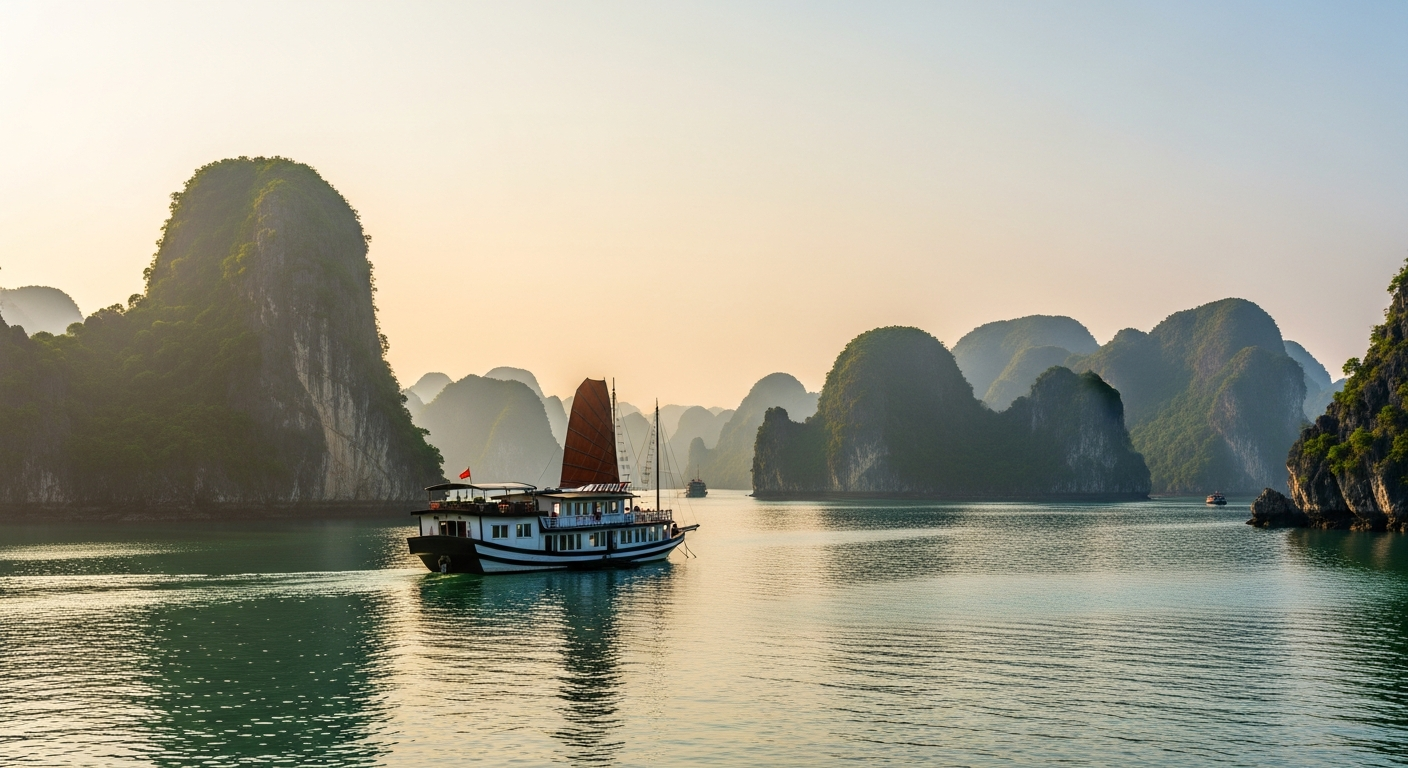
A Couple's Halong Bay and Hanoi Fortnight: Cruising Northern Vietnam at a Steady Pace, With Honest AUD Costs
Northern Vietnam suits over-60 couples who want a slower trip with comfort and good food. This 14-day plan pairs Hanoi…
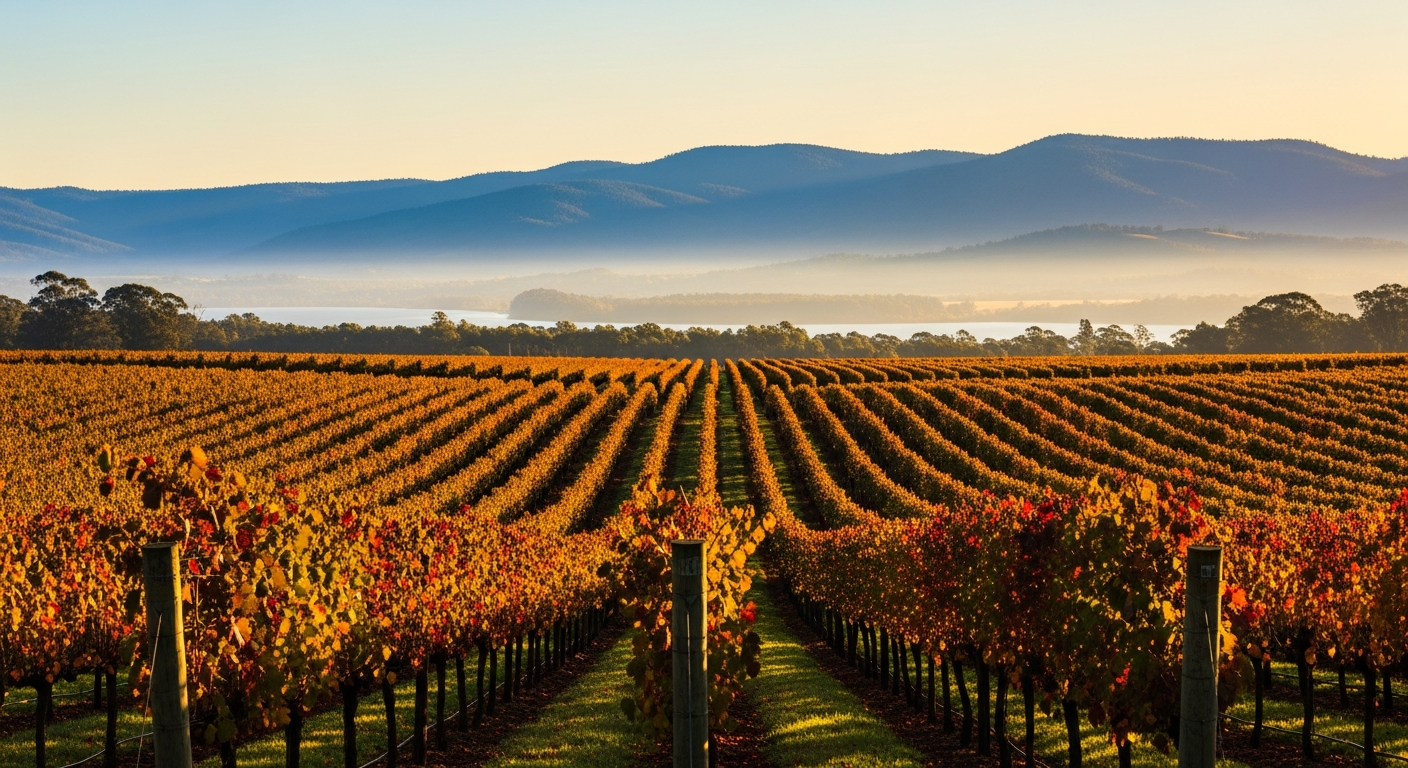
A Tasmanian Food and Wine Trip for Two Over 60: Slow Days, Cellar Doors and the Spirit of Hobart
A gentle seven to ten day food and wine trip through Tasmania suits over-60 couples who want short drives, good meals…
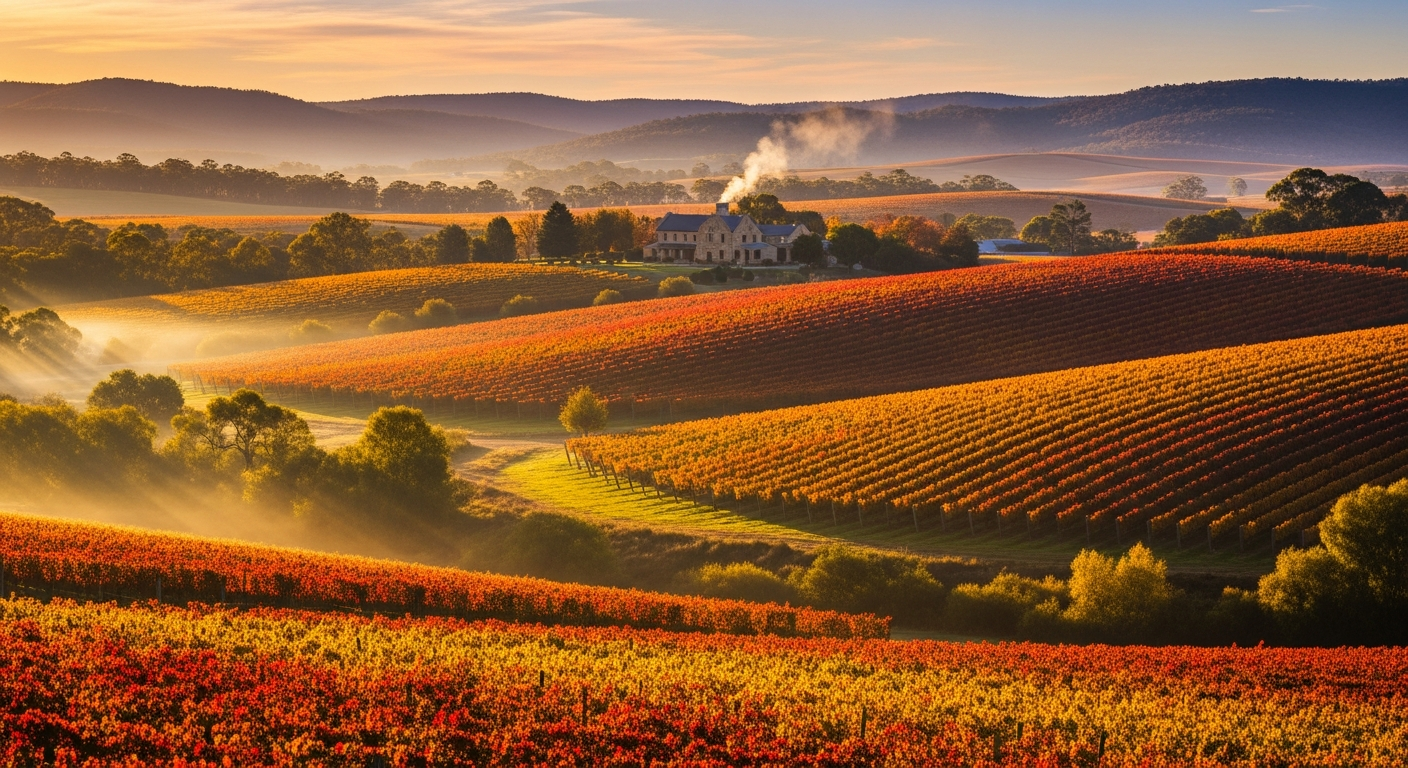
Adelaide and the Barossa for Two Over 60: A Gentle Week With Real AUD Costs
Adelaide is one of Australia's most relaxed capitals for older travellers, and it pairs beautifully with a few unhurri…